- English
- Español
- Português
- русский
- Français
- 日本語
- Deutsch
- tiếng Việt
- Italiano
- Nederlands
- ภาษาไทย
- Polski
- 한국어
- Svenska
- magyar
- Malay
- বাংলা ভাষার
- Dansk
- Suomi
- हिन्दी
- Pilipino
- Türkçe
- Gaeilge
- العربية
- Indonesia
- Norsk
- تمل
- český
- ελληνικά
- український
- Javanese
- فارسی
- தமிழ்
- తెలుగు
- नेपाली
- Burmese
- български
- ລາວ
- Latine
- Қазақша
- Euskal
- Azərbaycan
- Slovenský jazyk
- Македонски
- Lietuvos
- Eesti Keel
- Română
- Slovenski
- मराठी
- Srpski језик

5.02m Beige Vintage-Style Pizza Food Trailer
A pizza trailer may attract the first queue with its appearance, but repeatable service comes from the sequence behind the window. The 5.02m Beige Vintage-Style Pizza Food Trailer combines a cab-inspired front, corrugated beige body and broad side opening with a rear compartment that can be planned
Send Inquiry
Product Description
5.02m Beige Vintage-Style Pizza Food Trailer
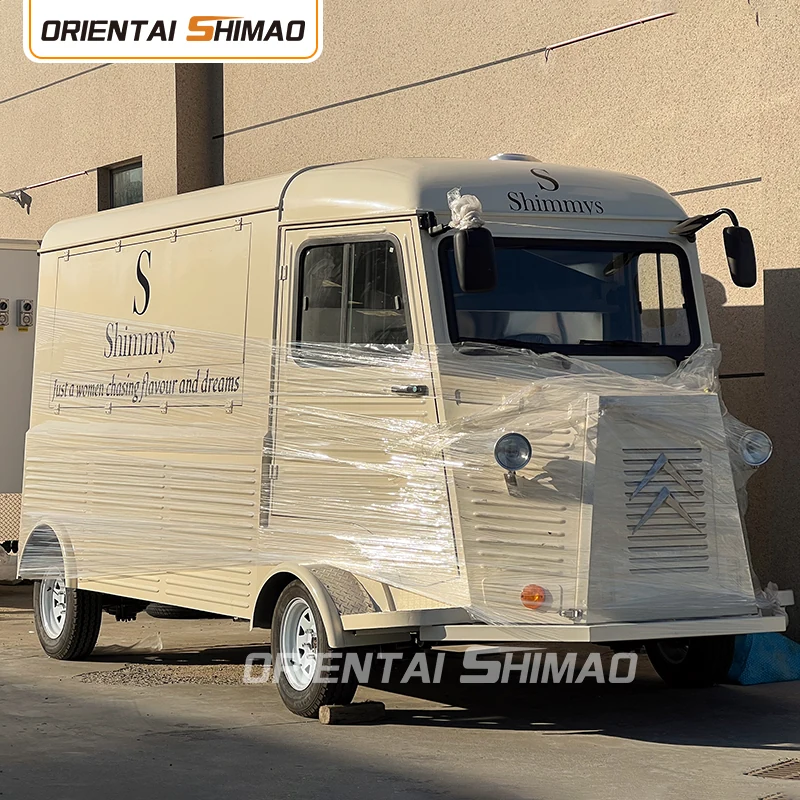
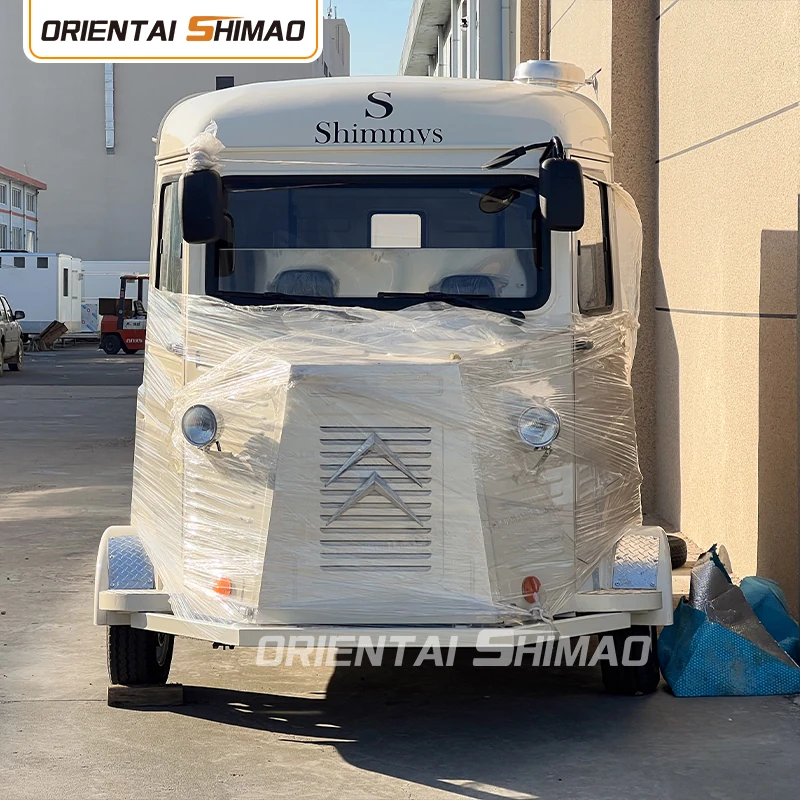
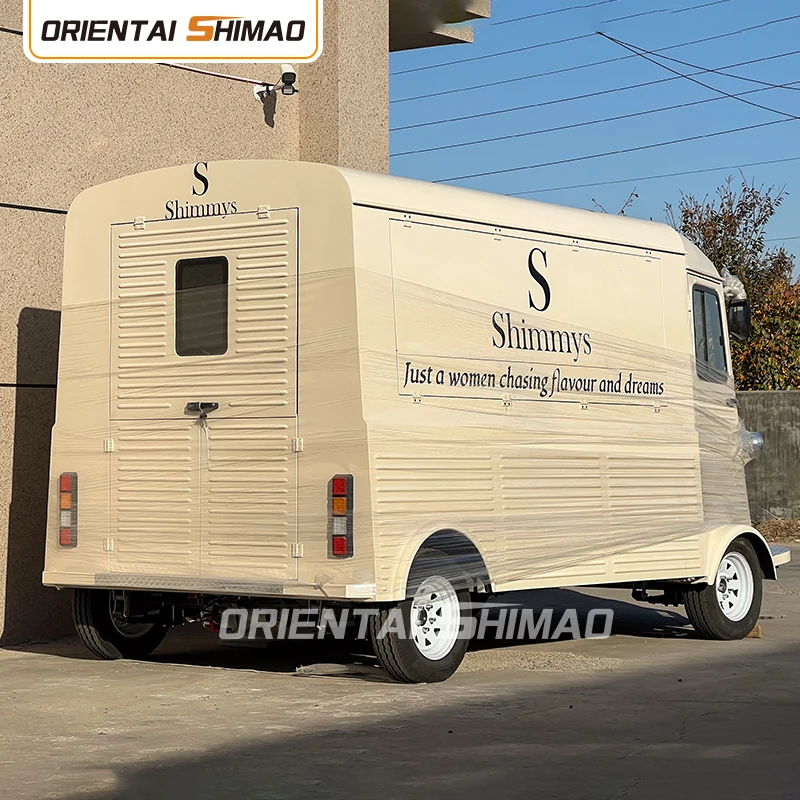
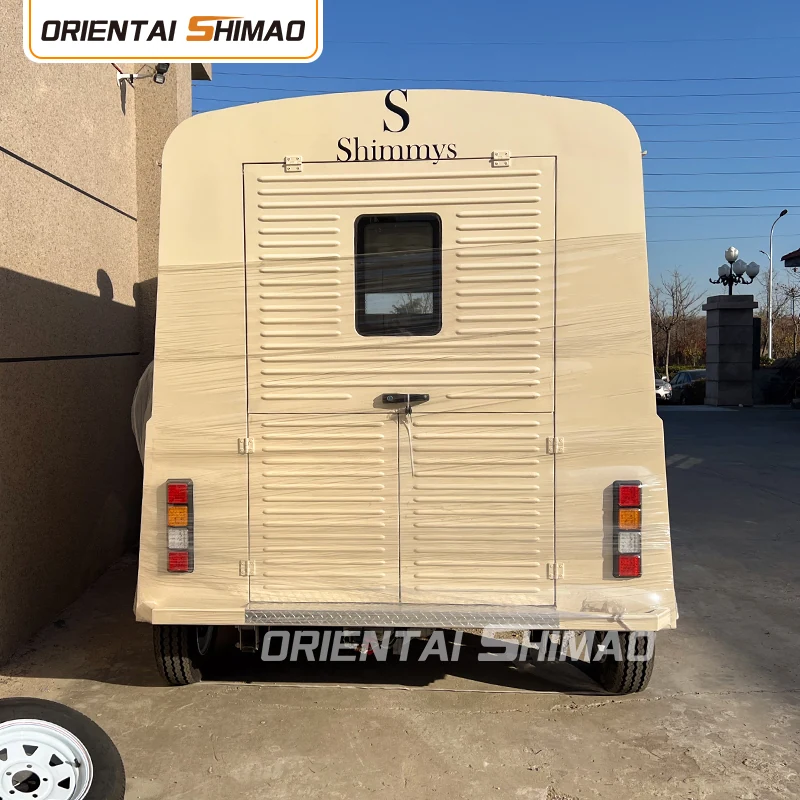
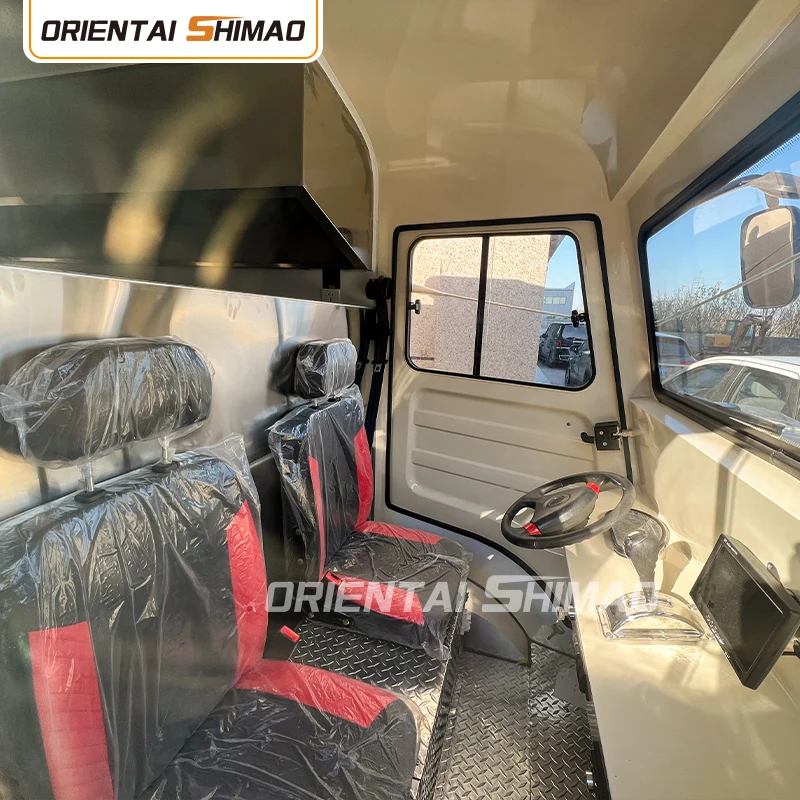
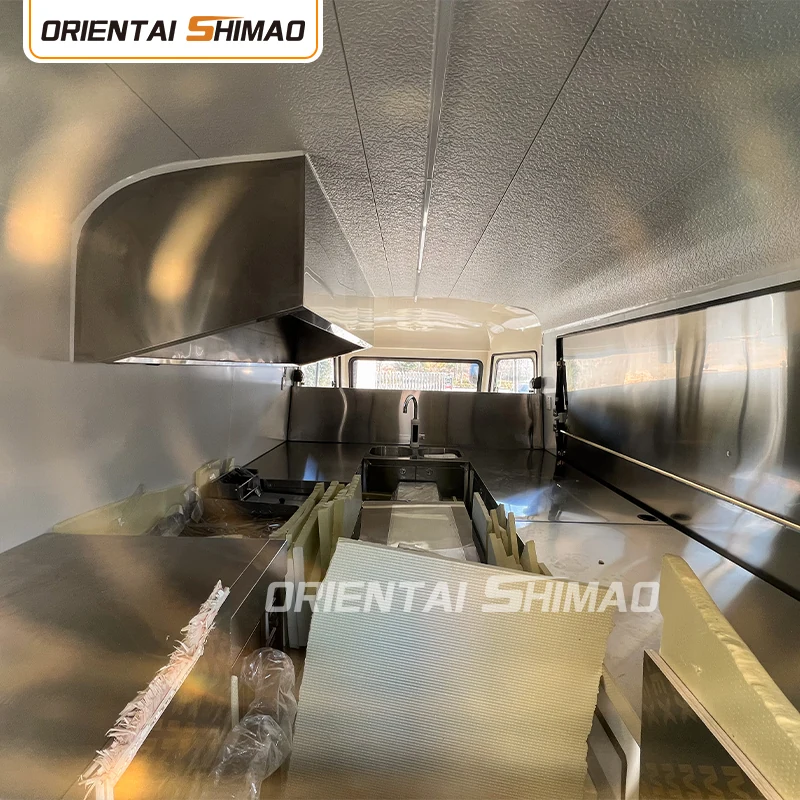
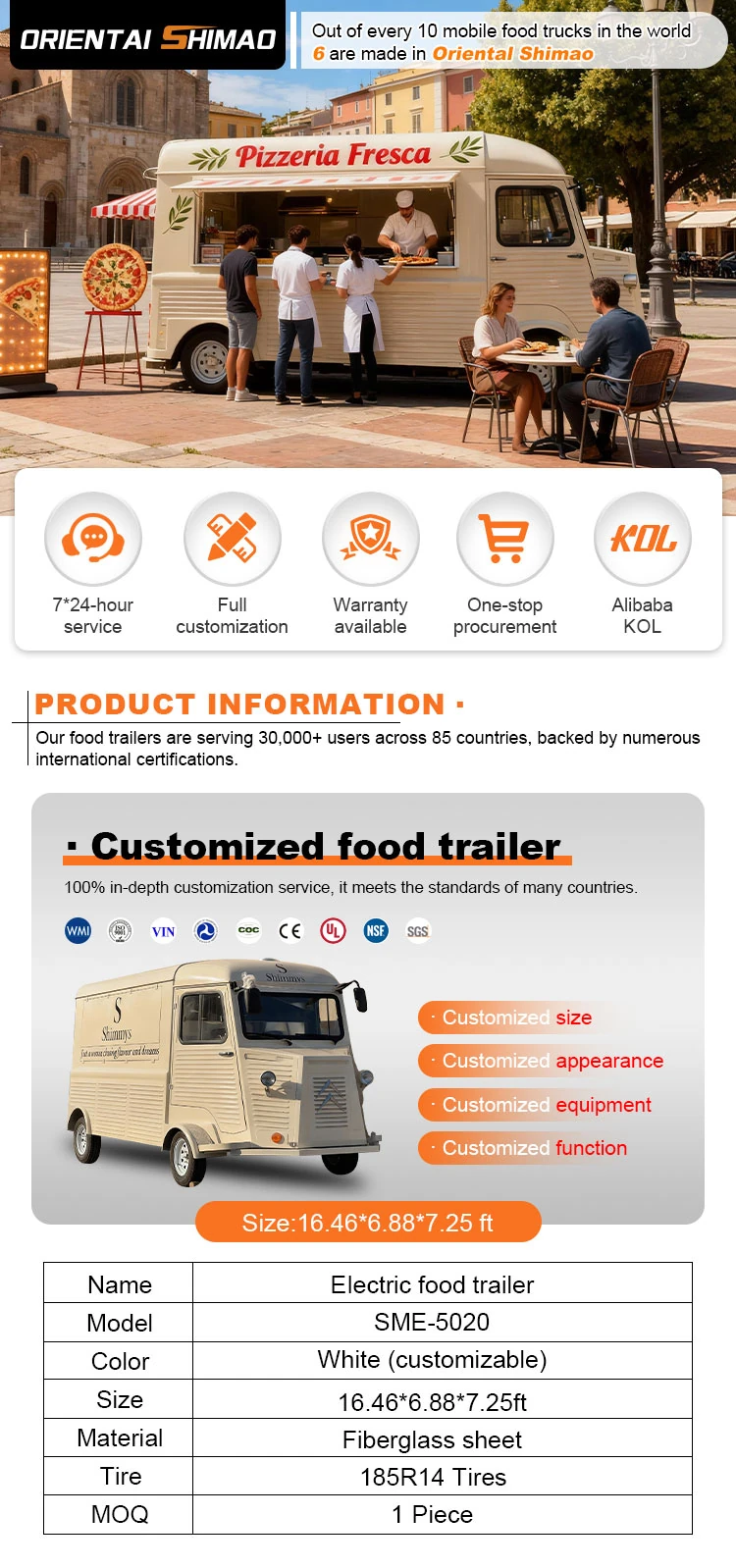
A pizza trailer may attract the first queue with its appearance, but repeatable service comes from the sequence behind the window. The 5.02m Beige Vintage-Style Pizza Food Trailer combines a cab-inspired front, corrugated beige body and broad side opening with a rear compartment that can be planned for dough handling, topping, baking, finishing and order collection. The 'Pizzeria Fresca' operating-effect image provides a clear pizza theme, while the product photographs confirm a metal work area and extraction hood. They do not prove that a pizza oven, mixer or refrigeration package is standard. Trailer Legends can configure the workspace around the buyer's selected production model. The cab-inspired front creates the visual character of a classic delivery van, while the unit itself is a towable food trailer rather than a self-propelled vehicle.
The Vintage Front Sells the Story; the Rear Cabin Produces the Pizza
The styling makes the trailer memorable at weddings, boutique events and brand pop-ups, but those are supporting scenarios rather than its product theme. Pizza production happens in the rear working compartment. Buyers should therefore judge the unit by both its customer-facing identity and the usable kitchen behind the decorative nose. The front does not provide driving capability, and the trailer has no independent propulsion. Its value is a recognizable pizzeria profile combined with a workspace that can be tailored to a defined menu and service volume.
Measure Usable Kitchen Length, Not Only 5.02 Metres
The stated dimension describes the completed body, including the prominent front form. That means the effective catering area of the beige vintage pizza food trailer is shorter than the overall length. Before approving equipment, request a dimensioned floor plan that marks the rear-cabin length, clear aisle width, door movement, wheel-arch or structural intrusions, counter depth and service-window position. A rectangular unit with the same overall length may offer a different working footprint. This measurement prevents a buyer from assigning an oven and prep line to space that belongs to styling, access or structure.
Choose the Pizza Production Model Before the Oven
Whole-pie service, slices, par-baked bases and finish-to-order concepts create different layouts for a beige vintage pizza food trailer. Dough made inside may require mixing, proofing and portioning space; dough delivered ready for topping shifts demand toward refrigerated ingredient storage. A high-throughput slice concept may need more holding and display capacity than a small whole-pie menu. Buyers can select a deck, conveyor or other suitable oven only after confirming menu size, fuel or electrical availability, ventilation, heat clearance and destination requirements. This page does not state that any oven type is included or universally appropriate.
Connect Dough, Topping, Baking and Finish Stations
A workable line moves ingredients toward the oven and finished pizzas toward cutting, boxing and the service window without sending staff back through raw preparation. Refrigerated topping storage should serve the assembly counter; flour, boxes and tools need positions that do not narrow the passage. Hot surfaces and appliance doors require operating clearances. The visible worktop and extraction area indicate where a layout can be developed, but final positions depend on exact equipment sheets and the number of employees expected during peak service.
Make the Service Window the End of the Production Path
The large side opening provides a strong point for menu communication and order collection. Inside, it should align with the final steps of the pizza process rather than interrupting dough or oven work. A slice concept may combine display, payment and quick handoff; whole-pie service needs space for boxes, order identification and stable collection. If the business accepts pre-orders, staff need a holding point that does not block walk-up customers. The buyer should map customer queue direction and decide whether payment and pickup share the opening before the internal counter is fixed.
Protect Storage and Passage in the Rear Compartment
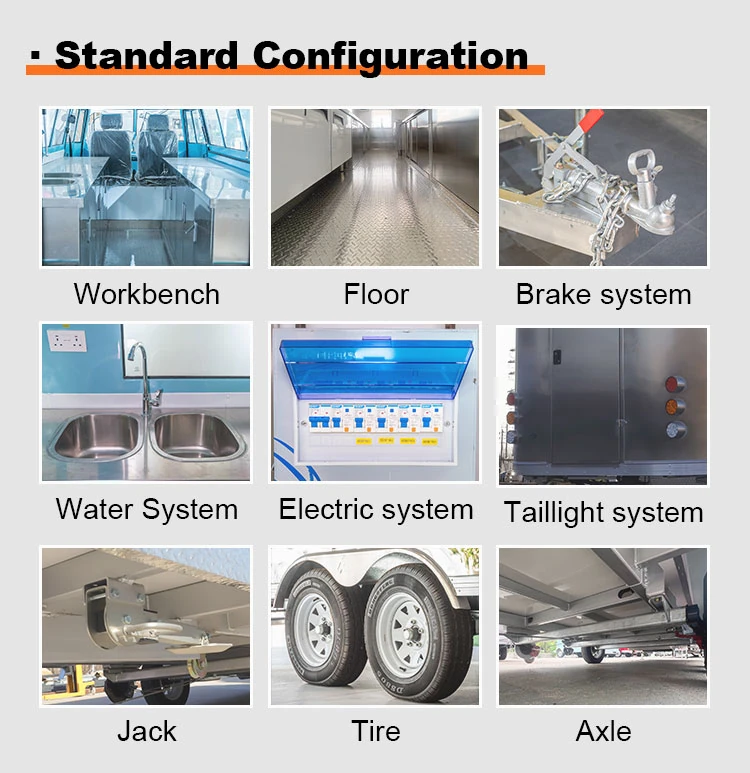
Pizza equipment can consume depth quickly in a beige vintage pizza food trailer. An oven, undercounter refrigeration, prep counter, sinks, packaging and dry stock all compete for a shorter usable cabin. Daily dough or ingredient volume should determine refrigerated capacity, while box sizes determine dry-storage dimensions. Staff should test door swings and replenishment routes on a scaled plan. The aisle must remain usable when appliances are open and an employee is working at the oven. This trailer should not be treated as a decorated universal kitchen; its storage and passage need to match one production method.
Towing and Event Arrival Are Separate from Trading
The tow plan covers the journey; the deployment plan covers what happens after arrival. Buyers should identify the towing requirements for the completed trailer with the relevant local parties, confirm route and access conditions, and select a suitable towing arrangement. At the destination, ground condition, positioning space, customer queue area and utility access matter. Service-side clearance, wheel restraint and any local site procedure should be confirmed for the final specification. The page does not nominate a tow rating or promise road suitability in every market.
Trailer Documents and Pizza Equipment Follow Different Rules
A destination market may apply one set of requirements to the trailer body and towing documentation and another to electrical systems, gas components, ventilation or installed food-service equipment. Those checks should not be collapsed into a single claim that the entire project is approved everywhere. The buyer should identify the operating country, proposed equipment and any relevant food-premise requirements, then confirm which documents and standards apply to each part. Changing an oven or refrigeration model can affect utility and ventilation planning even when the exterior remains unchanged.
Use Beige Styling to Build a Pizzeria Brand
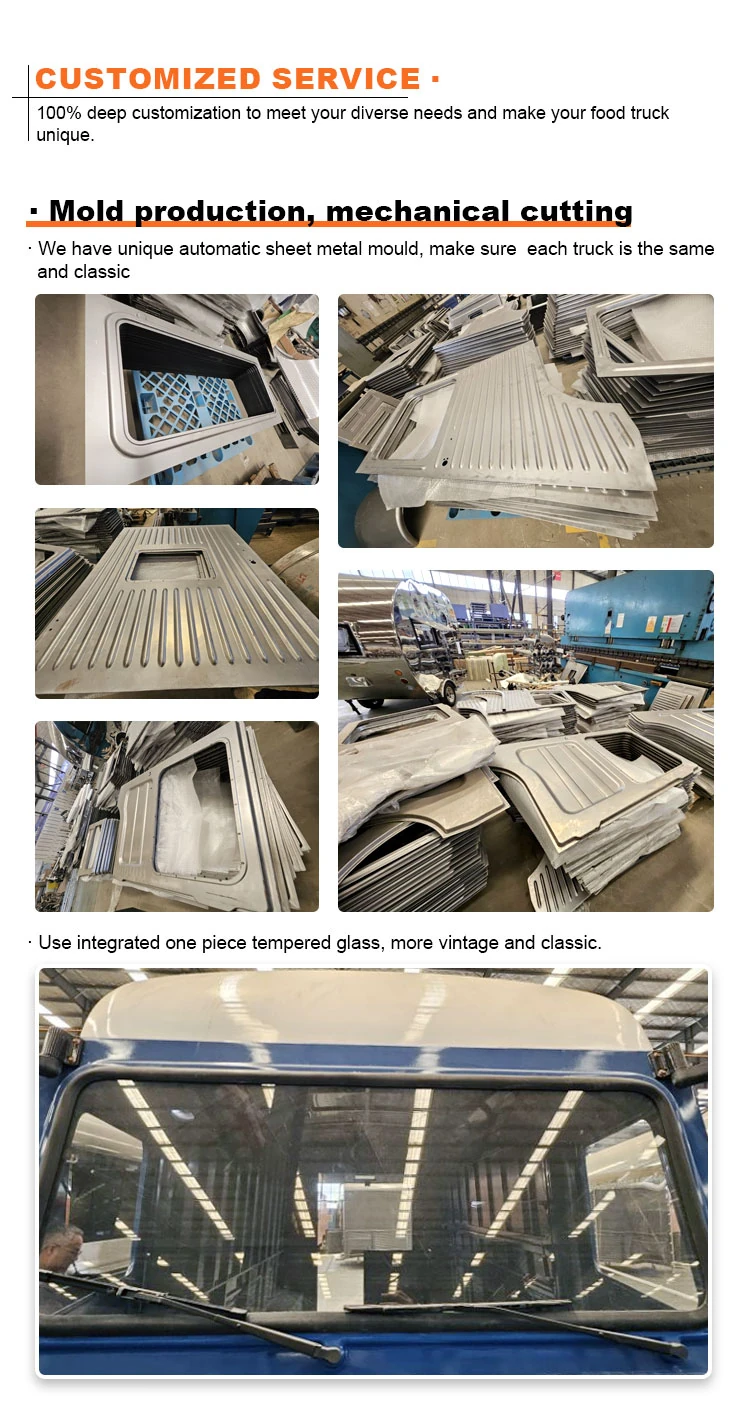
A beige vintage pizza food trailer works with understated, heritage or premium pizzeria identities and leaves room for typography, menu graphics and a controlled accent colour. The corrugated side panels and cab-like front already provide visual texture, so branding can concentrate around the opening and approach side. A wedding or boutique-event palette can still support a pizza proposition rather than replacing it. Buyers should provide approved artwork, viewing directions, menu-board needs and opening-clearance rules so the design remains legible when the trailer is operating.
Bring One Brand and Operating Brief
The final brief should combine pizza style, menu sizes, service forecast, staffing positions, measured appliance list, dough method, storage quantities, order flow, target market and towing conditions. That combined evidence protects both the visual character and the rear-cabin workflow. It also makes clear which equipment is selected by the buyer, which layout elements are customized around it, and which destination approvals remain outside a generic product description.
Frequently Asked Questions
1. Can this vintage-style pizza trailer drive under its own power?
No. It is an unpowered trailer that must be moved by a suitable towing vehicle. The cab-inspired front is styling language and should not be treated as a powertrain or working driver's cab. Towing arrangements depend on the completed specification and destination rules. Buyers must confirm the relevant trailer information and select an appropriate towing solution; the resemblance to a classic delivery vehicle does not change the product's towable operating category.
2. Is a pizza oven included in the standard trailer?
The pizza theme is supported by the operating-effect image, while the physical photographs confirm a work area and extraction hood. They do not confirm a standard pizza oven. Buyers should select an oven according to menu format, output target, dimensions, utility source, ventilation and destination requirements. The manufacturer can then plan counters, clearances and service access around that chosen model without presenting optional equipment as part of the base specification.
3. How does the vintage front affect usable pizza-kitchen space?
It occupies part of the overall 5.02m length, so buyers should request a drawing that identifies the clear rear-cabin length, aisle width, door movement and structural intrusions. Compare equipment dimensions against that usable zone, not the exterior length alone. A conventional rectangular trailer with the same overall dimension may provide a different footprint. Measuring first protects the oven, prep, storage and staff-route plan from being compressed later.
4. Which pizza service model fits this layout?
Whole pies, slices, par-baked products and finish-to-order menus can all be considered, but each creates different preparation, storage, oven and handoff needs. The buyer should define pizza sizes, dough method, expected order volume, packaging and staffing before equipment is chosen. A scaled workflow can then connect topping, baking, cutting and collection. The page recommends a pizza application but does not claim one universal production method or appliance package.
5. How should equipment, storage and passage be planned together?
Begin with exact equipment dimensions and mark every employee position, appliance-door movement, preparation sequence, packaging area and service-window handoff. Place frequently used toppings close to assembly, keep boxes and dry goods out of the main route, and reserve working clearance around the oven. The visible worktops and extraction area support layout planning, but they do not establish a universal configuration. Final utilities and ventilation should follow the selected appliances and destination requirements.
6. Why is the beige finish useful for a pizza brand?
The neutral colour can support heritage, artisanal or premium pizzeria branding without competing with menu graphics. The corrugated body and vintage front already provide character, allowing typography and a limited accent palette to carry the specific brand. Supporting settings such as weddings or boutique events can influence the visual direction, but the public product theme remains pizza service. Buyers should supply artwork, menu-board locations and viewing directions before graphics are finalized.
7. Why must trailer and installed-equipment requirements be checked separately?
Trailer-body and towing documentation may be governed by requirements different from those applying to electrical parts, gas components, ventilation or food-service appliances. Treating them as one approval can create inaccurate claims and missed obligations. Buyers should identify the destination market, then review the trailer documents with the appropriate local parties and verify installed-equipment requirements against the final equipment list. A compliant component does not automatically establish compliance for the complete project.
Next Step
| Send Trailer Legends the pizza format, menu sizes, dough method, equipment model sheets, box dimensions, staffing plan, service-window flow, brand references, destination market and towing conditions. That combined brief lets the vintage appearance and the working pizzeria sequence develop as one project. |
|---|
Related Category
Food Truck
Food Trailer
Food Cart
Food Van
Rv Trailer
Toilet trailer
Square Food Truck
Airstream Food Trailer
Square Concession Trailer
Square Mobile Kitchen Trailer
Send Inquiry
Please Feel free to give your inquiry in the form below. We will reply you in 24 hours.