- English
- Español
- Português
- русский
- Français
- 日本語
- Deutsch
- tiếng Việt
- Italiano
- Nederlands
- ภาษาไทย
- Polski
- 한국어
- Svenska
- magyar
- Malay
- বাংলা ভাষার
- Dansk
- Suomi
- हिन्दी
- Pilipino
- Türkçe
- Gaeilge
- العربية
- Indonesia
- Norsk
- تمل
- český
- ελληνικά
- український
- Javanese
- فارسی
- தமிழ்
- తెలుగు
- नेपाली
- Burmese
- български
- ລາວ
- Latine
- Қазақша
- Euskal
- Azərbaycan
- Slovenský jazyk
- Македонски
- Lietuvos
- Eesti Keel
- Română
- Slovenski
- मराठी
- Srpski језик

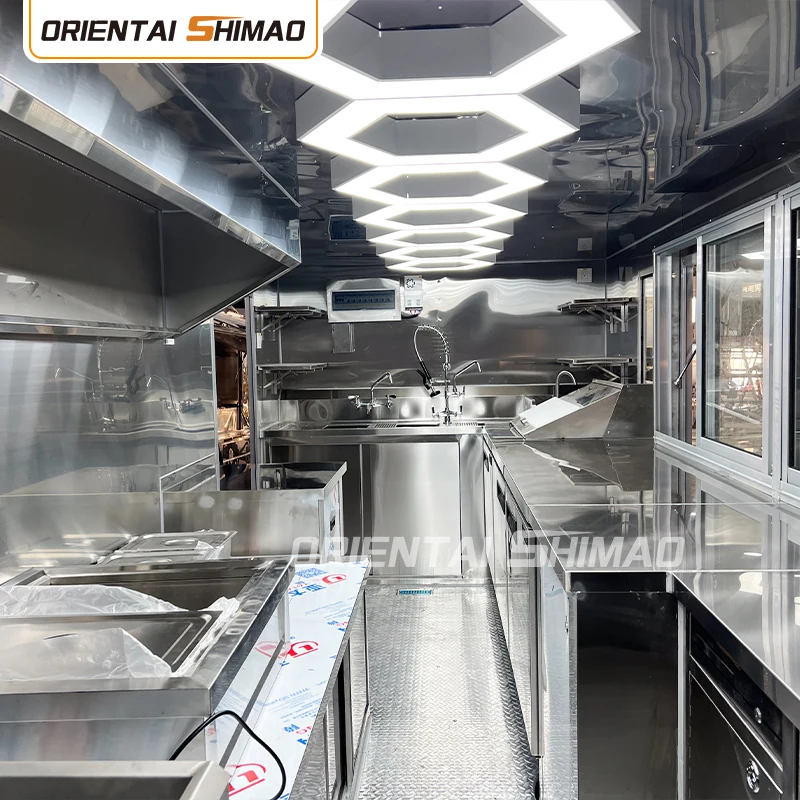
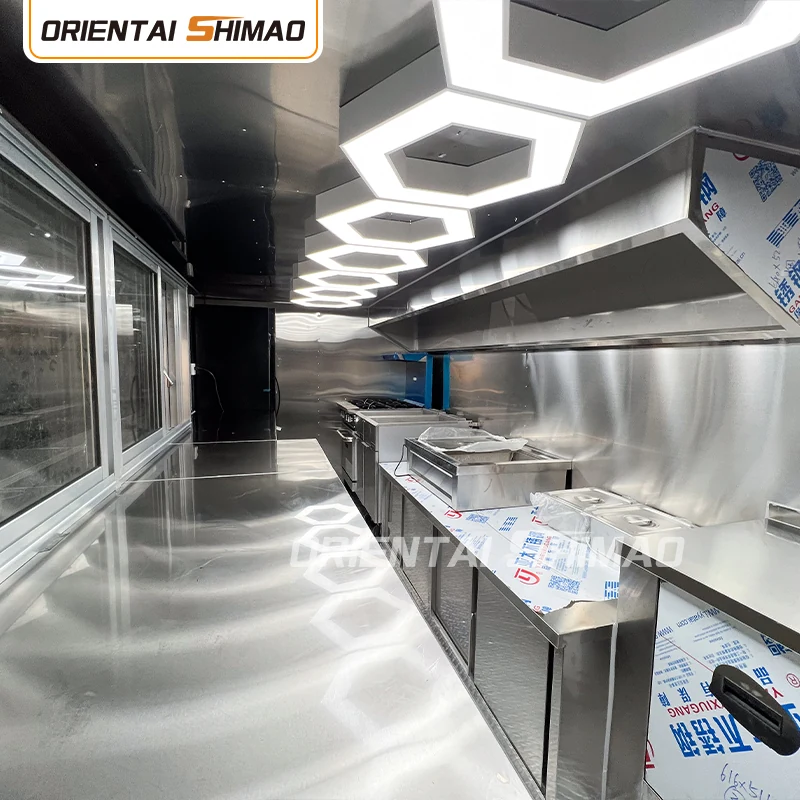
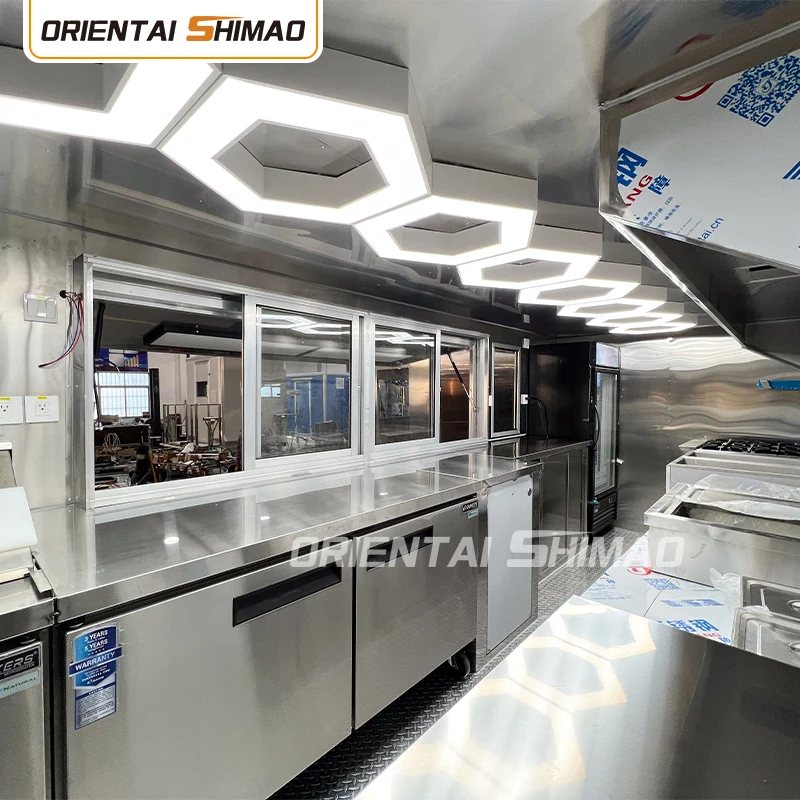
5.7m Aluminum Square BBQ Food Trailer
An unwrapped aluminum body gives buyers a rare chance to approve the kitchen before the graphics. The 5.7m Aluminum Square BBQ Food Trailer shows a plain metal exterior, multiple openings along one side, dual axles and a long reflective interior with work surfaces, sinks, cabinets and visible
Model:SMS-5700A
Send Inquiry
Product Description
5.7m Aluminum Square BBQ Food Trailer
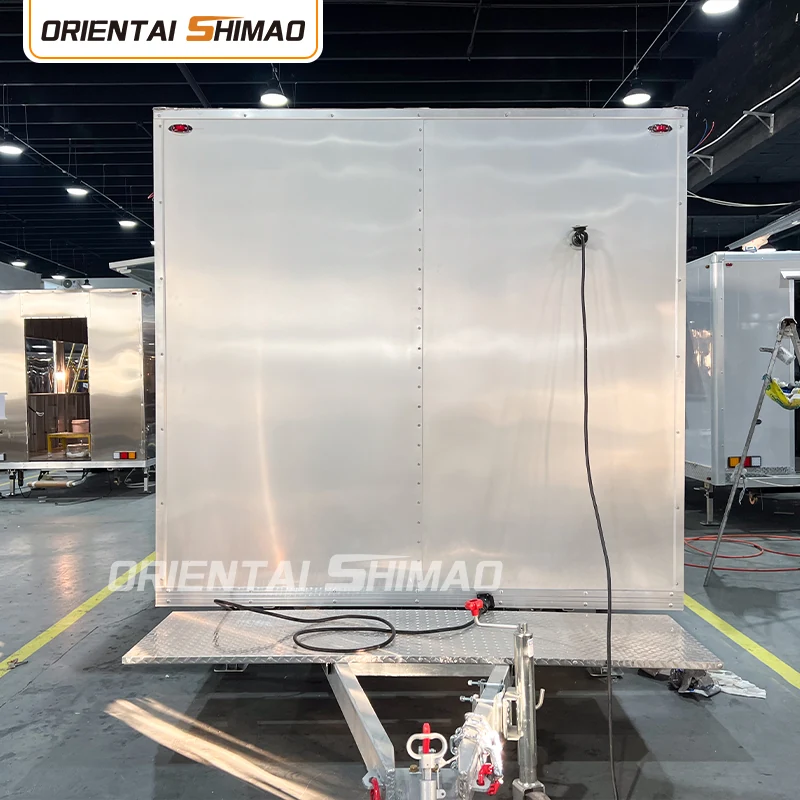
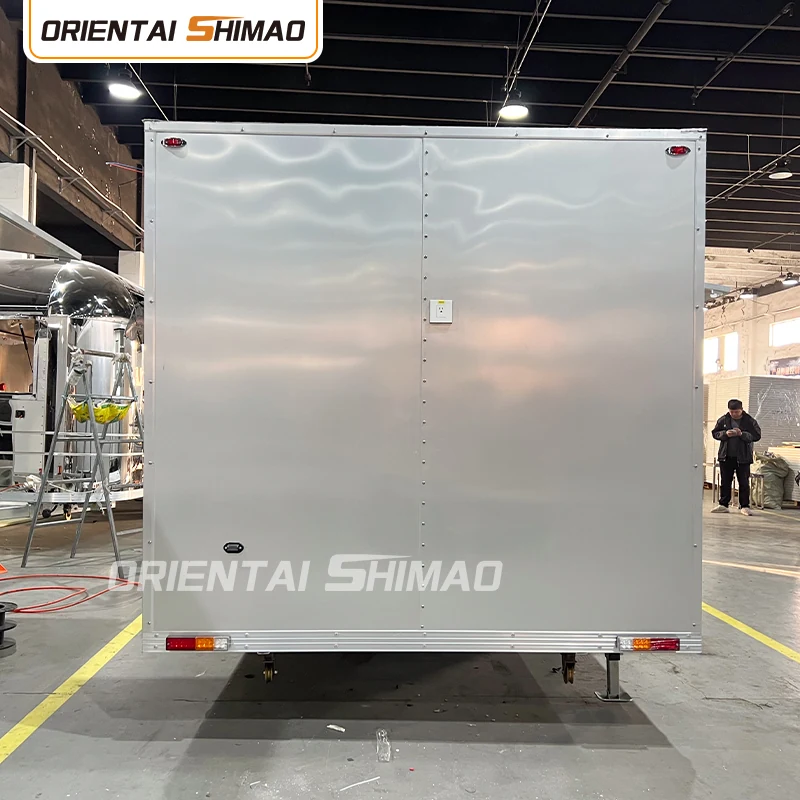
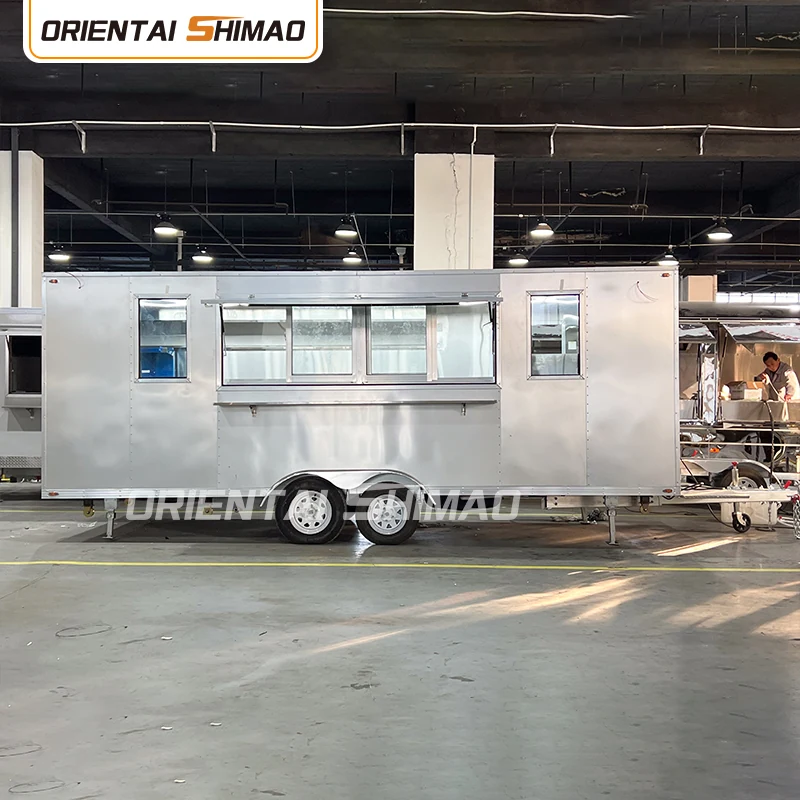
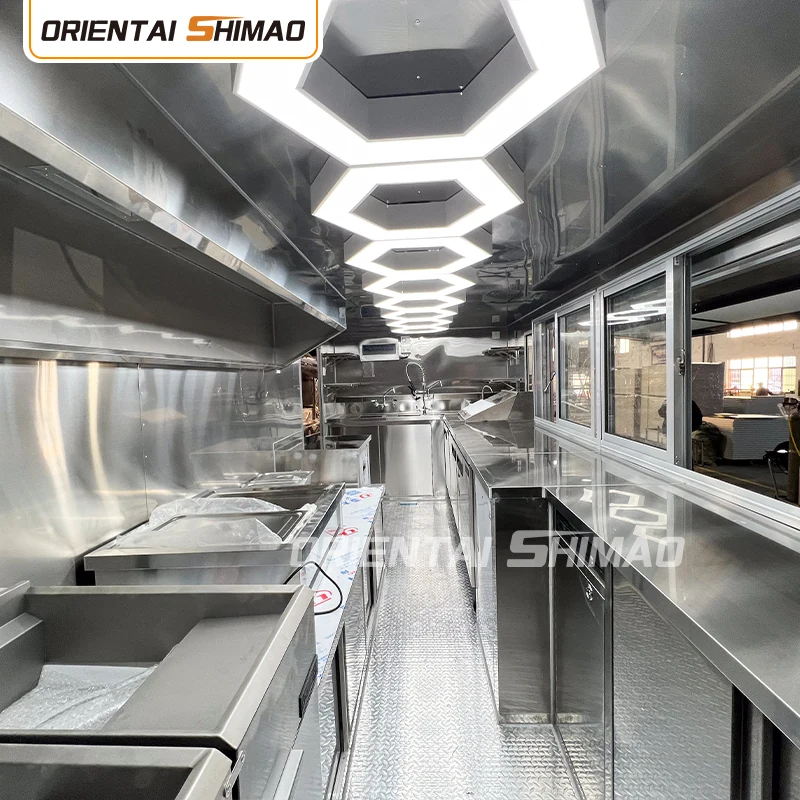
An unwrapped aluminum body gives buyers a rare chance to approve the kitchen before the graphics. The 5.7m Aluminum Square BBQ Food Trailer shows a plain metal exterior, multiple openings along one side, dual axles and a long reflective interior with work surfaces, sinks, cabinets and visible ventilation components. Aluminum is explicit in the folder, while a barbecue operating-effect image supports the application. Grills, smokers, fryers, hot holding and refrigeration are not confirmed. Trailer Legends can configure the shell around the buyer's BBQ method and only then place branding around the final windows and utility zones. The key challenge is dividing a large hot-food line and multiple customer points without treating every opening as the same service window.
Choose the BBQ Production Method Before Graphics
Grilled skewers, burgers, ribs, smoked products and mixed barbecue require different cookers, holding and preparation. Buyers should state which food arrives raw, pre-cooked or ready to finish. Exact equipment sheets determine heat, energy, ventilation and service access. The aluminum BBQ food trailer can be designed around the chosen method, but the operating image does not prove any cooker is installed. Kitchen decisions should precede a wrap that could conceal access panels or future changes.
Create Distinct Raw, Hot and Finished Zones
Receiving and cold storage should feed preparation, then the hot line, holding or finishing, packaging and collection. Raw product and dirty utensils must not return through the completed-order pass. The long interior offers zoning, but employee travel can still become excessive. Place ingredients and tools near the responsible station. A flow diagram should show the busiest batch and every transfer before fixed counters are approved.
Assign Each Side Opening a Commercial Purpose
Multiple openings can support separate ordering, collection, pre-orders or menu lines. They can also reduce usable wall space and create customer confusion. Buyers should map external queues and internal passes together. An opening without a nearby finishing station may be better used for light, display or a limited function. Clear menu and wayfinding graphics should be applied after the roles are confirmed.
Plan a Hot-Holding Strategy, Not a Shelf
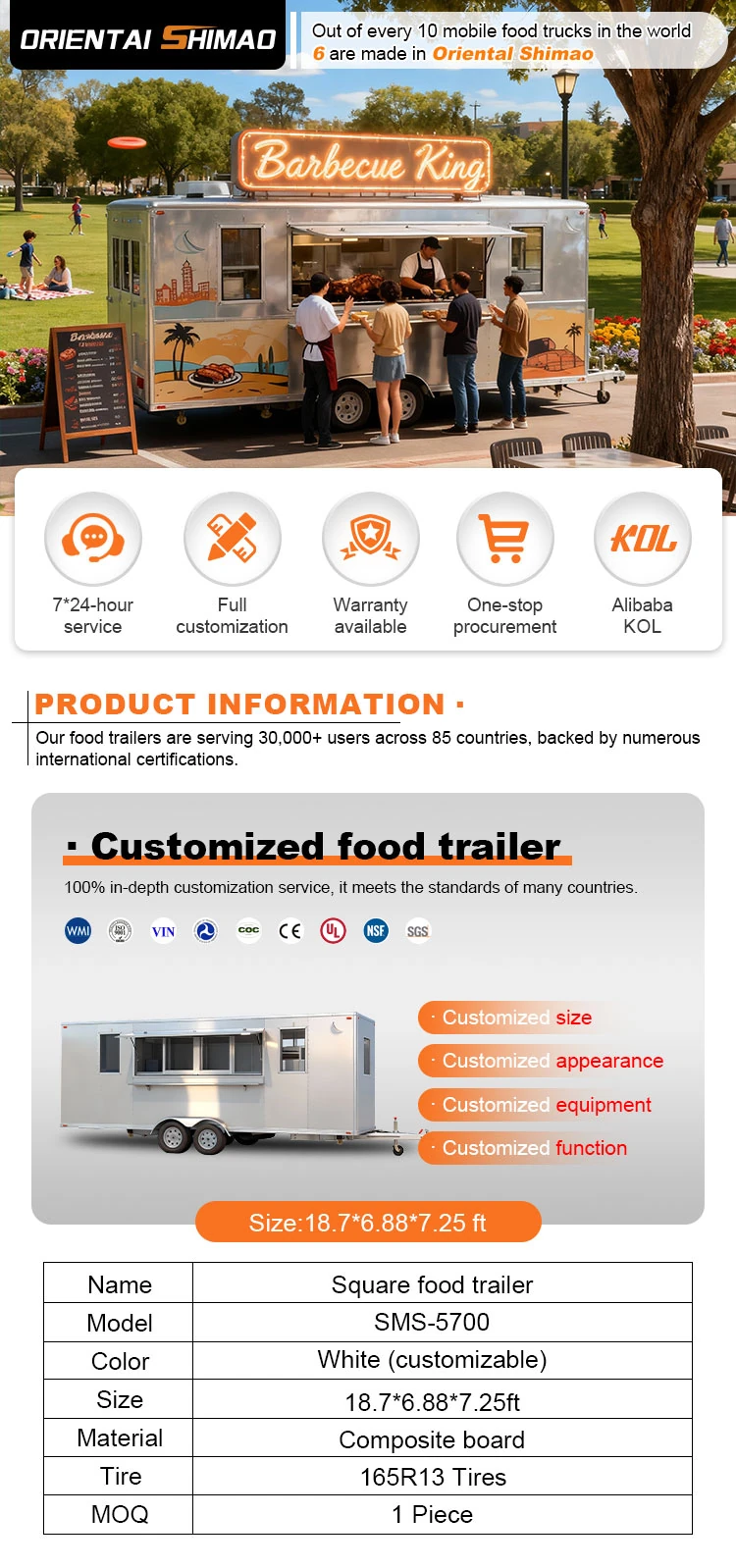
BBQ products may cook slowly, finish quickly or require brief holding. Buyers should define batch timing and quality rules, then select holding equipment with documented heat, capacity and power. The holding zone should connect the cooker to finishing without blocking the aisle. No time, temperature or output should be promised without the final menu, appliance and operating method.
Use Finishing to Separate Menu Variations
Sauces, seasoning, garnishes and portioning can create more movement than cooking. Group common finishes in recipe order and keep packaging nearby. If several proteins share the same cooker, the finishing counter can create distinct menu identities without duplicating hot equipment. Container sizes and storage conditions should be provided. The final pass needs enough room for the largest combined order.
Protect the Long Aisle for Crew and Replenishment
Mark cooks, finishers, packers and cashiers at peak service, then add open doors, mobile stock and waste. Reserve ingredients should reach their stations without crossing the pass. The reflective interior may look spacious when empty, but equipment depth and cartons can remove the circulation route. Crew capacity must be proven by the scaled final layout rather than inferred from the 5.7m dimension.
Plan Grease, Smoke and Cleaning Access
Selected barbecue equipment determines exhaust, grease collection, fire controls and cleaning. Hoods and visible ventilation components do not establish performance or approval. Buyers should provide cooker instructions and destination conditions for appropriate review. Sinks, cleaning tools and waste routes must support the actual menu. Materials visible inside should not be assigned a grade or certification from appearance alone.
Give Fuel or Electrical Services a Maintainable Route
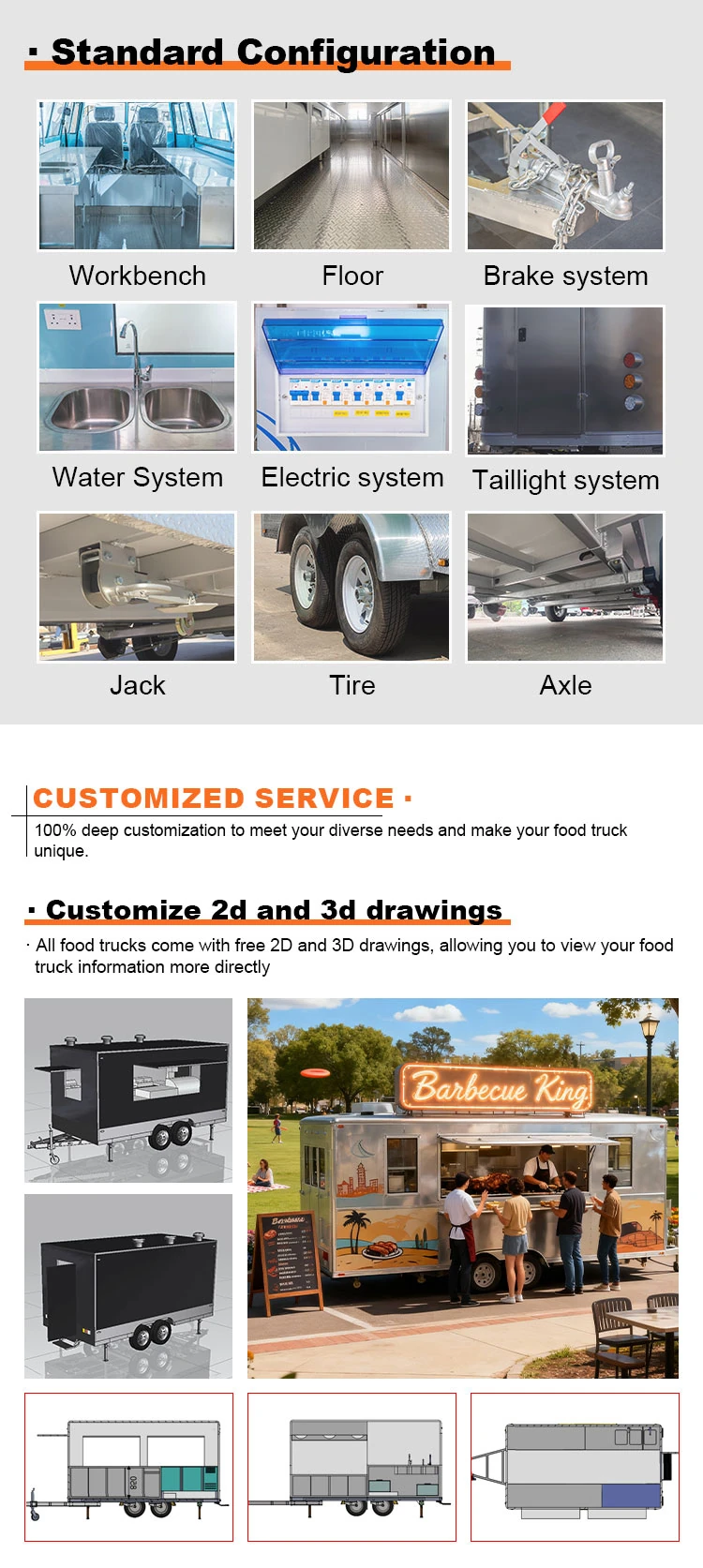
The cooker package may use electricity, gas or another permitted source. Connection points, shutoffs, protective devices and service access should follow the selected equipment and destination requirements. Utilities should not run through packaging or customer zones. Buyers need a coordinated diagram rather than adding connections after counters and wrap are complete. The page does not state a fuel system or electrical capacity for the shell.
Plan Waste by BBQ Production Stage
Raw-product packaging, grease, ash where applicable, food scraps and customer packaging may require different handling. The buyer should identify which waste streams exist for the selected cooker and venue. Containers need positions that avoid the finished-food pass and do not block the long aisle. Removal should be possible without crossing customer collection. No integrated waste or grease system is confirmed by the images.
Confirm the Aluminum Specification Before Making Performance Claims
The folder confirms aluminum, but alloy, temper, thickness, joint construction and surface treatment are not documented. Buyers should request the final material schedule. The public page should not promise weight savings, corrosion life or structural performance without evidence. Cleaning and graphic application should follow the confirmed surface. The plain exterior is a useful design state, not proof of one exact aluminum system.
Design the Wrap Around Service and Maintenance
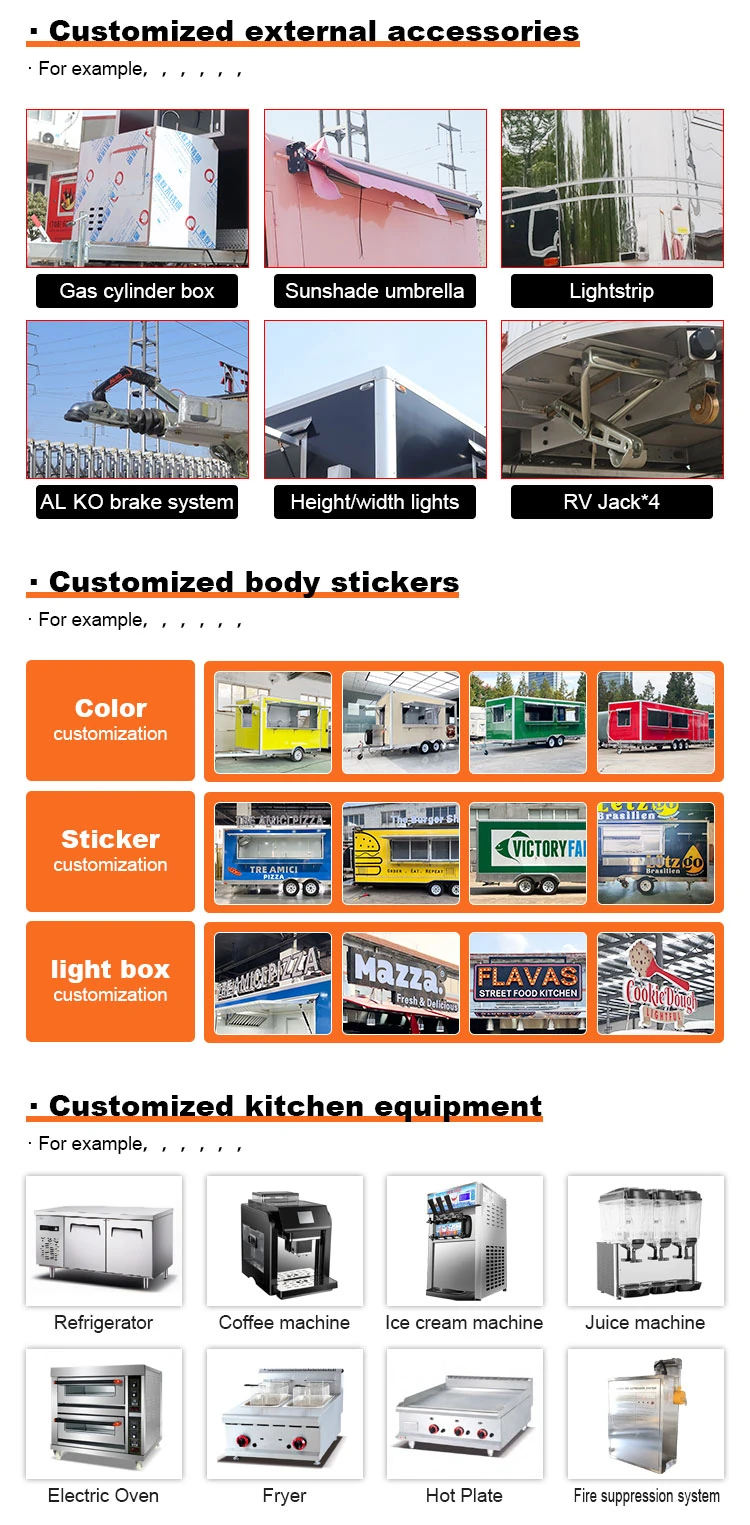
Brand graphics can be developed after windows, doors, vents, electrical boxes and equipment access are locked. The wrap should identify order and pickup points while leaving service panels reachable. Artwork files and colour references require buyer approval. Any third-party logos need rights. The ability to add branding does not establish a lifetime or warranty for the graphic material.
Review Towing and Kitchen Systems Separately
Trailer body, axles, coupling and road lighting may follow requirements different from electrical or fuel systems, ventilation and food-service equipment. Buyers should identify the destination and completed specification, then consult appropriate local parties. Dual axles do not prove payload or universal road legality. Aluminum construction does not remove the need for an integrated final review.
Approve the Kitchen Before the Exterior Story
Provide the BBQ menu, cooker and holding sheets, cold storage, finishing containers, packaging, staff positions, opening roles, utilities, target market and branding plan. Trailer Legends can then fix the 5.7m workflow first and apply graphics that explain the service instead of hiding unresolved technical decisions.
Frequently Asked Questions
1. Is aluminum construction confirmed?
Yes, aluminum is explicit in the folder, but the alloy, temper, thickness, surface treatment and performance are not documented in the public evidence. Buyers should request the final material specification. The page should not claim a precise weight advantage, corrosion lifespan or structural rating without supporting project records.
2. Which BBQ equipment is included?
No standard grill, smoker, fryer, holding or refrigeration package is confirmed. Buyers should select equipment for the menu and provide dimensions, utilities, ventilation, heat clearance, service and cleaning data. Trailer Legends can configure the shell around those models. The barbecue operating image supports the theme, not an installed-appliance claim.
3. How should multiple windows be assigned?
Give each confirmed opening one clear role, such as ordering, collection, pre-orders or a separate menu line. Connect the role to an internal counter and employee, and map exterior queues. An opening that lacks a nearby station may be better used for display or another limited purpose. Final graphics should make the chosen functions obvious.
4. When should the exterior wrap be designed?
After the kitchen equipment, windows, vents, doors and maintenance panels are fixed. The wrap can then guide customers and support the brand without covering access. Buyers should provide approved artwork and colour references. Material performance and graphic life depend on the selected product and application method and should not be promised generically.
5. How is ventilation confirmed for BBQ equipment?
Use installation data for the selected grill, smoker, fryer or other cooker and review exhaust, make-up air, heat clearance and any fire controls under destination requirements. Visible hoods alone do not prove capacity or compatibility. The final cooking and ventilation package should be documented before production claims are made.
6. Does aluminum change trailer compliance requirements?
It does not remove the need to verify the completed trailer. Towing and road documentation, electrical or fuel systems, ventilation and food-service equipment may follow separate destination rules. Buyers should provide the final specification to relevant parties. No universal road or operating approval is claimed based on material.
Next Step
| Send the BBQ method, complete cooker and holding schedule, opening roles, staff plan, utilities, target market and brand artwork. Trailer Legends can then finish the aluminum kitchen layout before the exterior wrap turns it into a public-facing barbecue operation. |
|---|
Related Category
Food Truck
Food Trailer
Food Cart
Food Van
Rv Trailer
Toilet trailer
Square Food Truck
Airstream Food Trailer
Square Concession Trailer
Square Mobile Kitchen Trailer
Send Inquiry
Please Feel free to give your inquiry in the form below. We will reply you in 24 hours.