- English
- Español
- Português
- русский
- Français
- 日本語
- Deutsch
- tiếng Việt
- Italiano
- Nederlands
- ภาษาไทย
- Polski
- 한국어
- Svenska
- magyar
- Malay
- বাংলা ভাষার
- Dansk
- Suomi
- हिन्दी
- Pilipino
- Türkçe
- Gaeilge
- العربية
- Indonesia
- Norsk
- تمل
- český
- ελληνικά
- український
- Javanese
- فارسی
- தமிழ்
- తెలుగు
- नेपाली
- Burmese
- български
- ລາວ
- Latine
- Қазақша
- Euskal
- Azərbaycan
- Slovenský jazyk
- Македонски
- Lietuvos
- Eesti Keel
- Română
- Slovenski
- मराठी
- Srpski језик

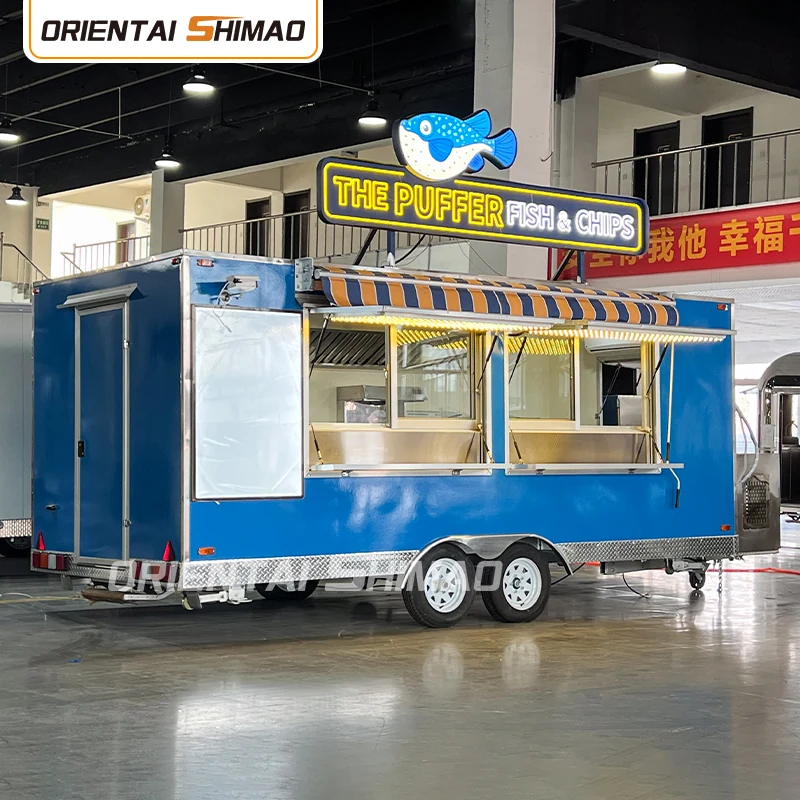
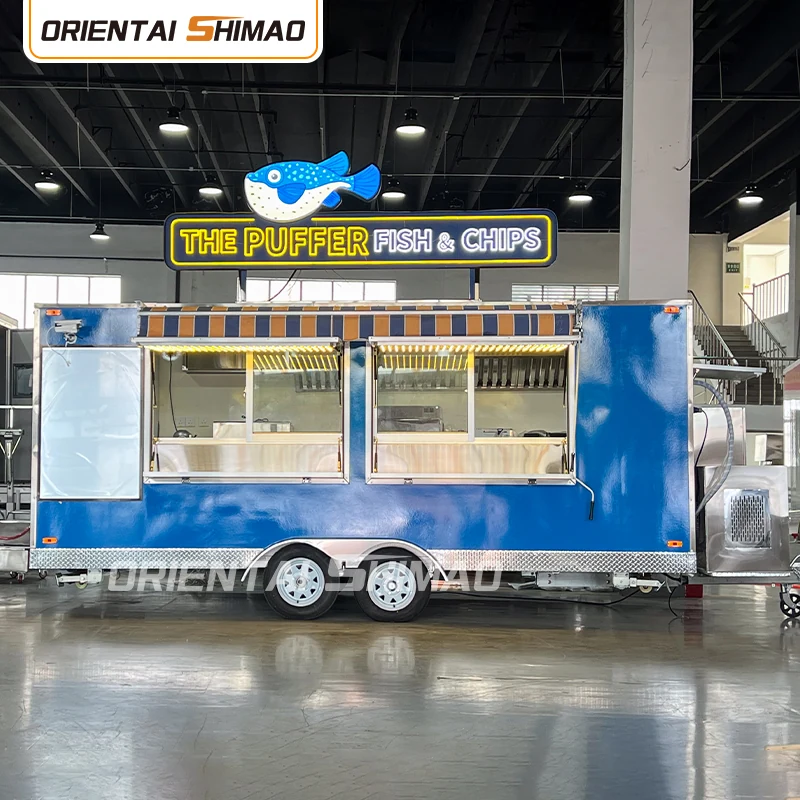
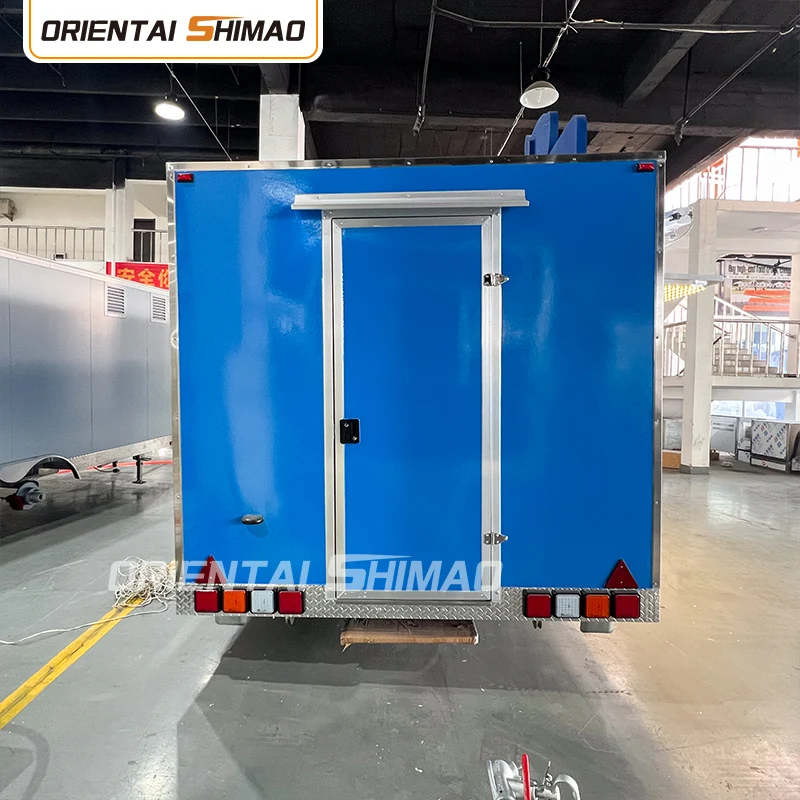
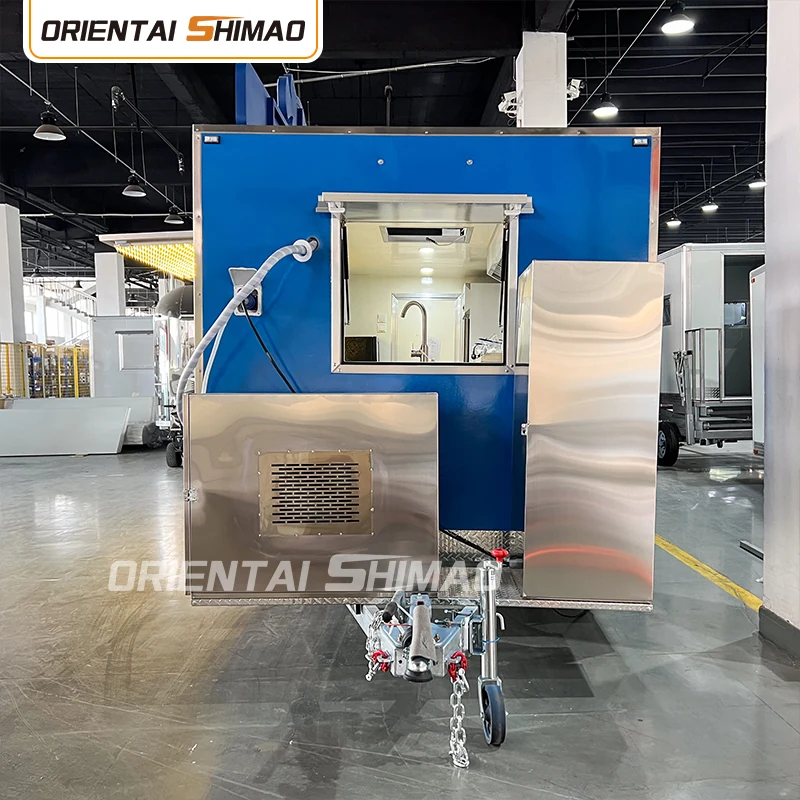
5m Blue Fish and Chips Food Trailer
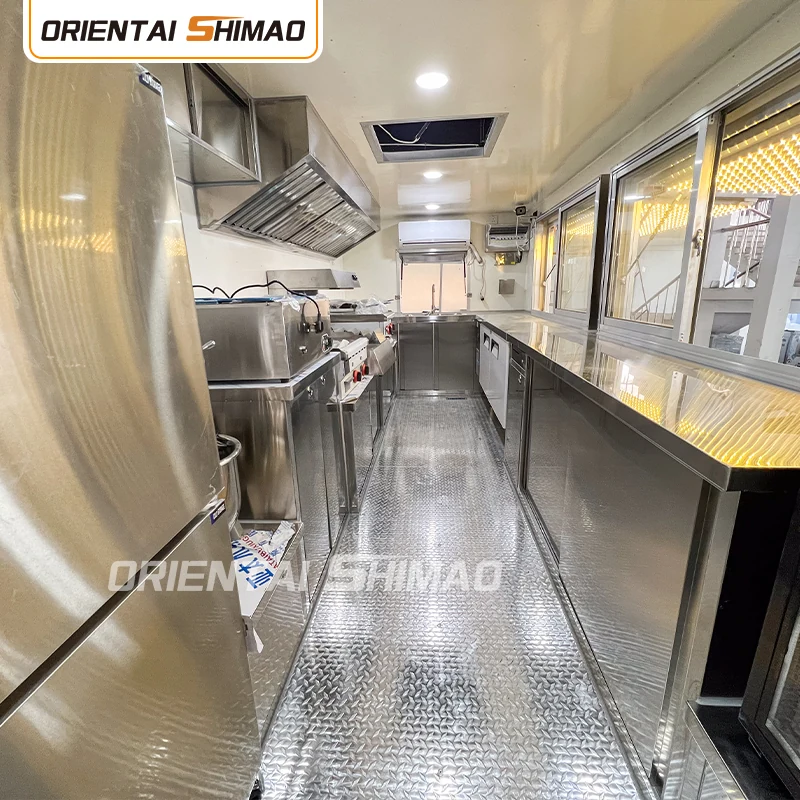
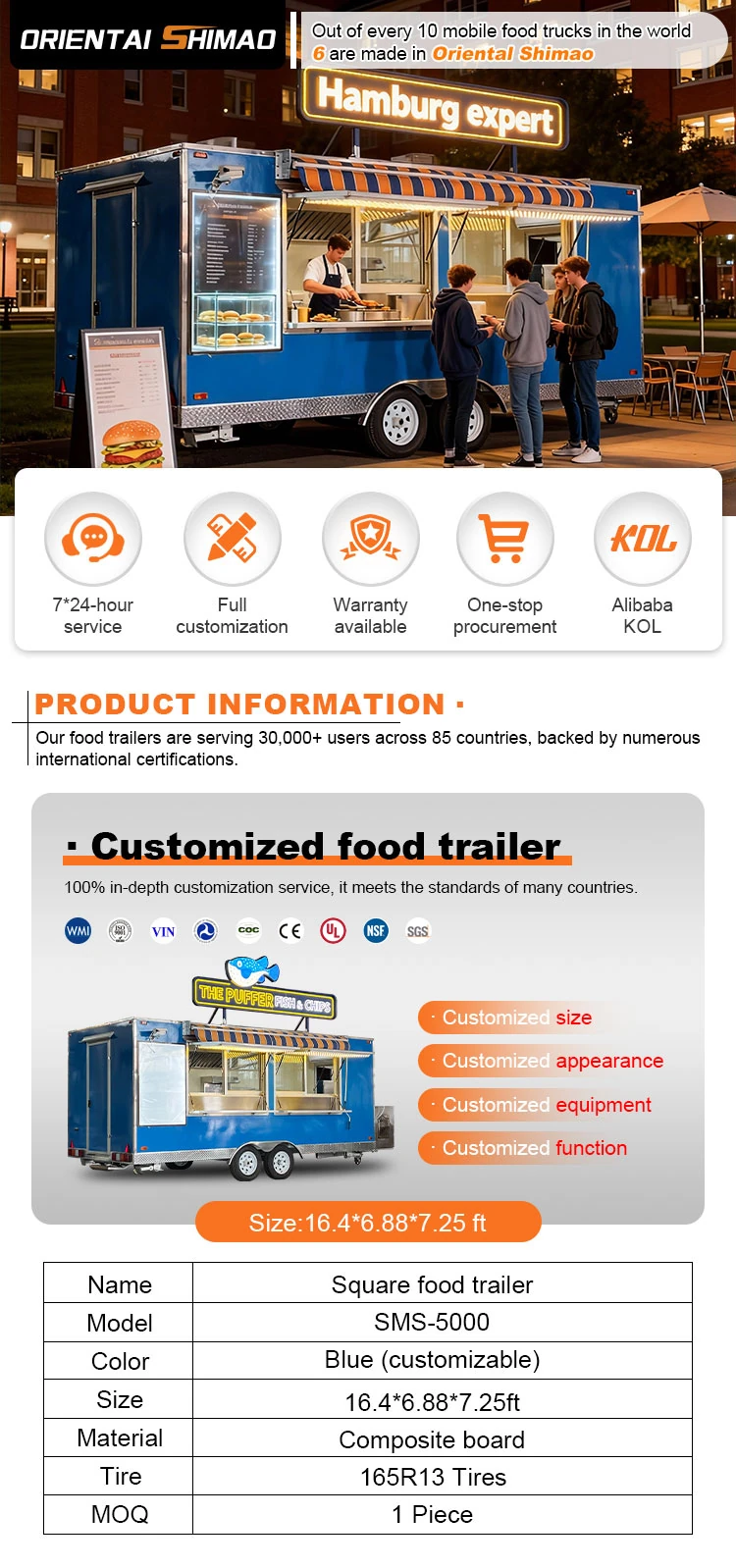
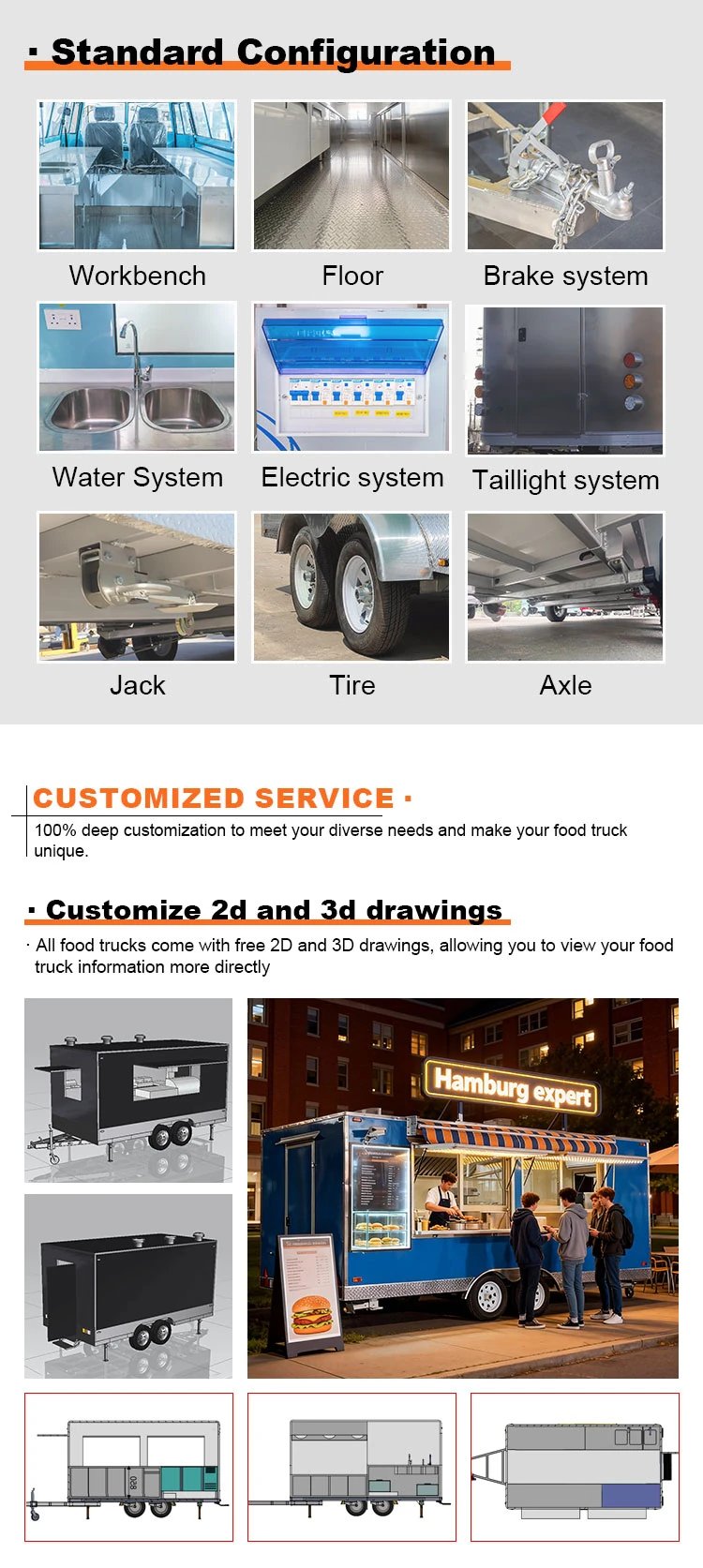
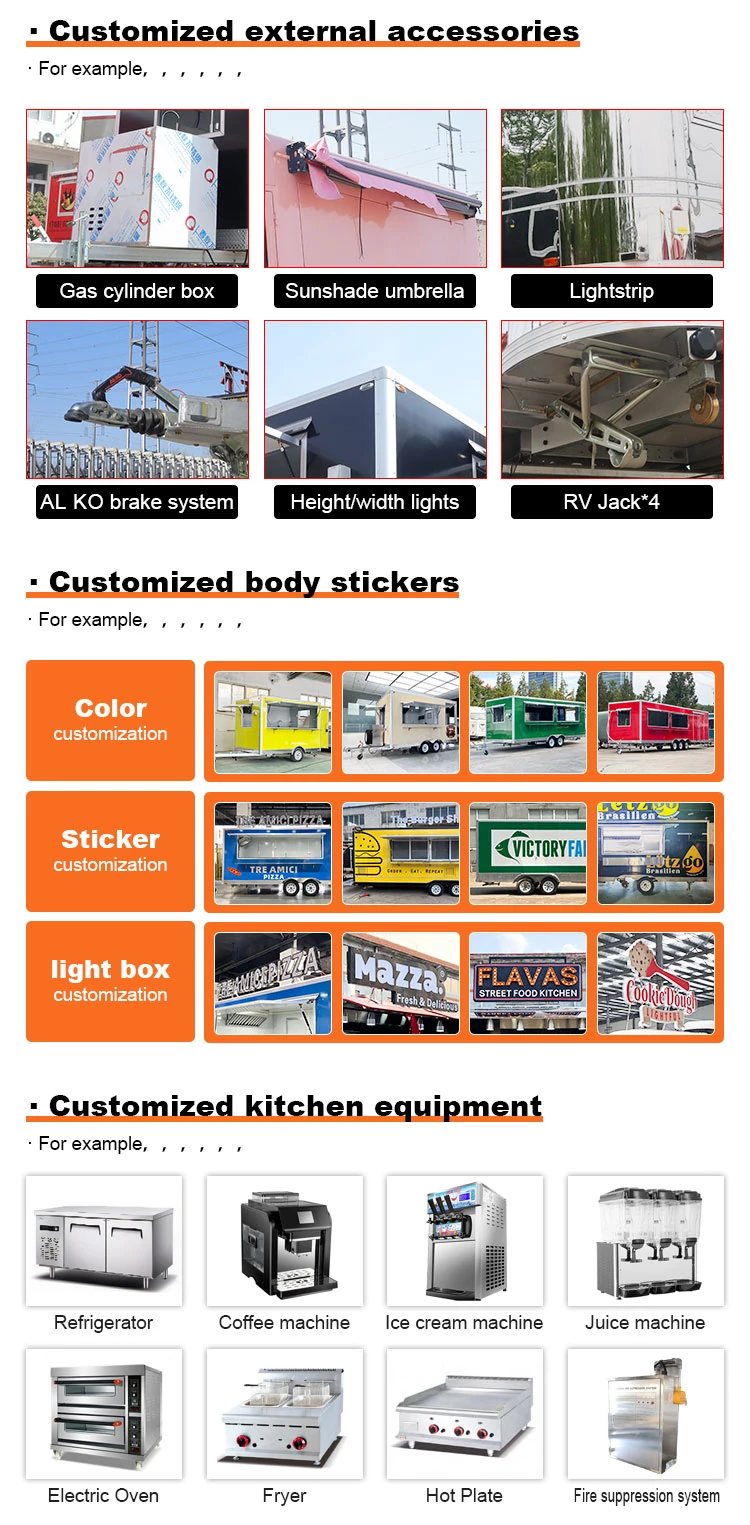
The fish-shaped sign tells customers what to expect, and the interior explains what the operator must control. The 5m Blue Fish and Chips Food Trailer has a square dual-axle body, broad service window, end doors, a long hot-work line, multiple extraction areas, sinks, counters and cabinets.
Send Inquiry
Product Description
5m Blue Fish and Chips Food Trailer
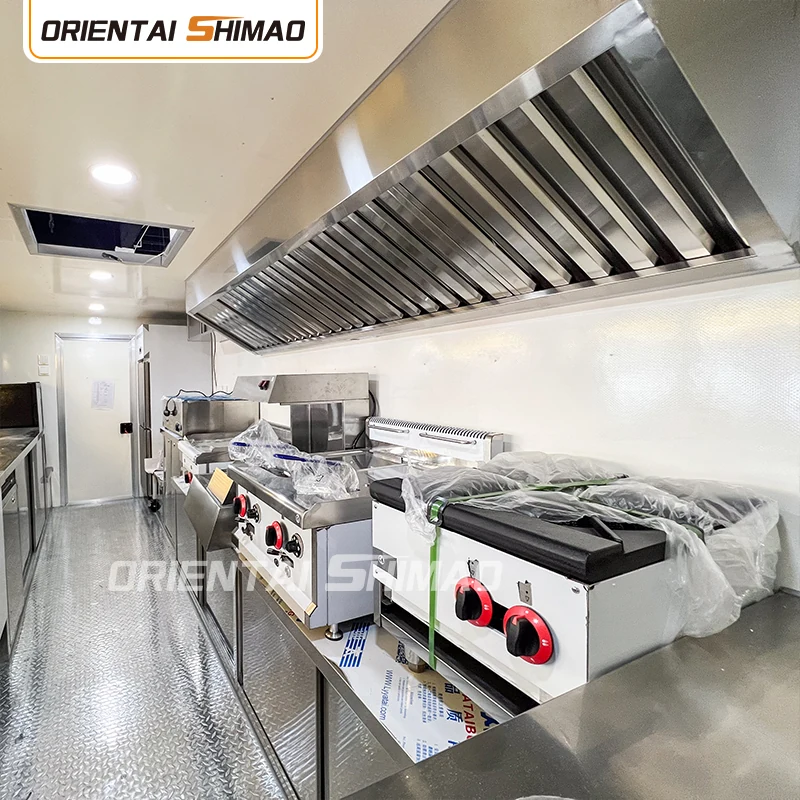
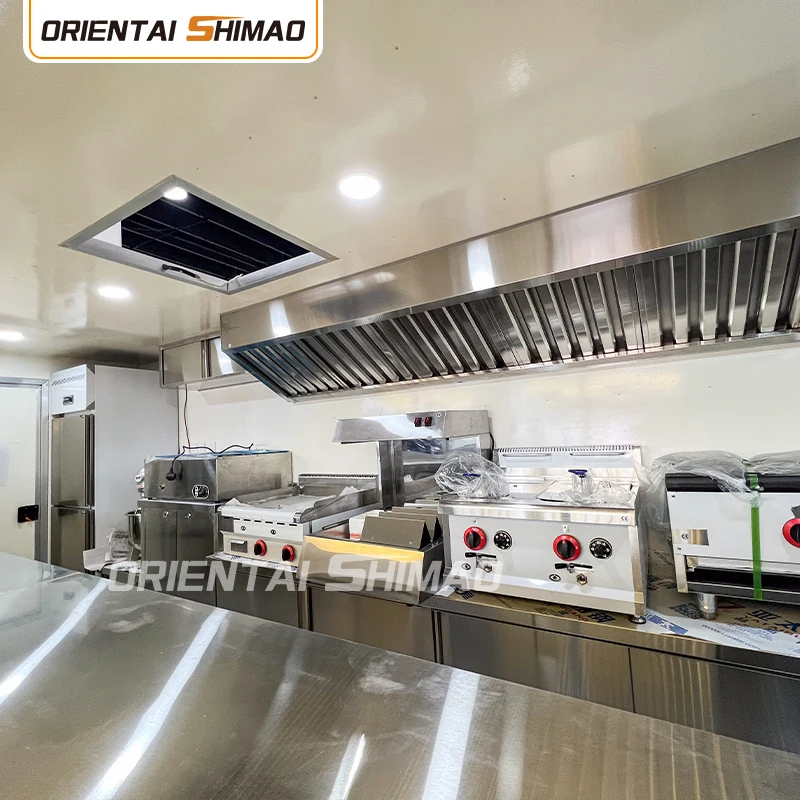
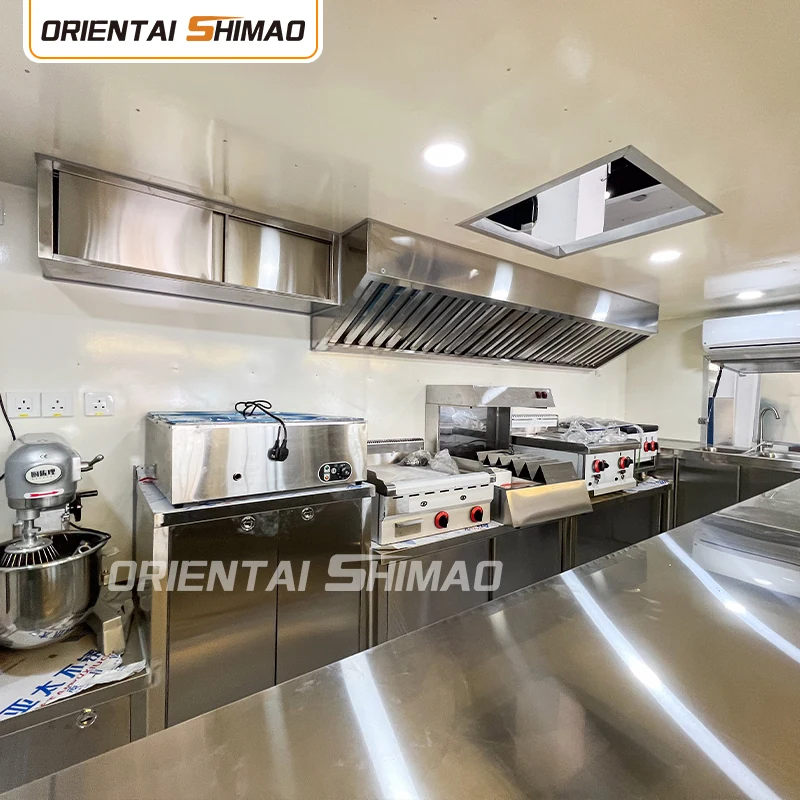
The fish-shaped sign tells customers what to expect, and the interior explains what the operator must control. The 5m Blue Fish and Chips Food Trailer has a square dual-axle body, broad service window, end doors, a long hot-work line, multiple extraction areas, sinks, counters and cabinets. Fish-and-chips use is confirmed by physical branding, while exact fryers, refrigeration, batter equipment and ventilation data are not. Trailer Legends can configure the kitchen around the buyer's fish portions, chip process and service forecast. The critical purchasing problem is separating chilled raw fish and batter work from hot frying, draining, seasoning, packaging, cleaning and customer collection during a concentrated rush.
Keep Raw Fish and Batter Upstream
Receiving and cold storage should feed portioning or batter preparation without crossing cooked food. Buyers should define whether fish arrives fresh, frozen, portioned or pre-battered. Batter containers, flour and tools need a dedicated station and cleaning method. The selected refrigeration must suit the product and destination requirements. Visible counters do not establish cold capacity or approved separation, so the final food-safety plan must come from the operator's process and local rules.
Match Fish Fryers and Chip Fryers to the Menu
Some operations separate fish and chips by fryer; others use a different approved arrangement. Product volume, oil management, allergen controls and cook times influence the decision. Buyers should provide fryer models, vat configuration, energy source and peak batches. The design must include baskets, loading stance and service access. A long hood is useful evidence of hot-work potential but does not prove compatibility or output.
Give Baskets a Clear Landing and Drain Route
Fried products need a stable area immediately after the fryer. Fish may move to draining, quality check and wrapping, while chips move to seasoning and portioning. These routes should meet only at final packing. Hot baskets must not travel across the central aisle or over raw prep. Landing-surface size should be based on the largest batch and container, with tools stored close but outside employee circulation.
Plan Chips as Their Own Production Rhythm
Chip preparation may involve frozen product, fresh-cut steps or another method. Each creates different storage, washing, drying and frying needs. Buyers should identify the process before approving sinks or refrigeration. Chips can become the bottleneck when their batch cycle does not match fish orders. A peak meal model should show how both components reach packing together without excessive holding or unsupported quality promises.
Choose Packaging for Steam and Travel
Fish and chips packaging needs enough space for portioning, sauces and utensils while managing steam according to the operator's quality approach. Buyers should measure trays, boxes or wraps and identify the largest meal combination. Packaging stock belongs at the finishing point, protected from raw prep and oil splash. Completed orders need a stable waiting area and clear identification before they reach the customer.
Make the Window the Final Handoff, Not a Prep Counter
The broad opening can hold menu, payment and pickup zones. Internally, the collection end should connect to final packing. Raw fish, batter and fryer baskets should remain deeper in the kitchen. The fish sign supports distant recognition, while menu panels should clarify portions and sides before customers reach payment. If pre-orders are accepted, a separate collection position can reduce interference with walk-up queues.
Plan Oil Filtering, Storage and Removal
A multi-fryer operation requires a documented oil method. Fresh supply, filtering equipment, used-oil containers and removal all take space. The route should avoid the service window, raw fish and completed food. Buyers should follow fryer instructions, venue procedures and destination rules. The photographs do not confirm an integrated filter, waste tank or approved disposal system, so those features must be selected and specified separately.
Control Cleaning Across Batter and Grease
Batter residue and frying grease reach different surfaces. The closing routine should include removable fryer parts, batter utensils, sinks, floors, extraction access and drying. Cleaning tools and chemicals need protected storage away from food and packaging. Handwashing and utensil washing should be assigned according to the actual operation. The visible stainless-looking interior does not prove a specific grade or hygiene certification.
Plan Sauce and Condiment Service Without Slowing Pickup
Salt, vinegar, tartar sauce, lemon and other accompaniments may be applied by staff, offered in packets or presented through another controlled method. The choice changes storage, spill risk and handoff time. Buyers should decide which condiments are standard and where they join the order. Packets need dry organization; portioned sauces may require refrigeration. The collection counter should not become a customer self-service area unless the venue and operating plan support it.
Separate Delivery Packaging from Daily Service Stock
Fish and chip suppliers may deliver bulky cartons, flour sacks or oil containers. These should not remain in the active aisle. Buyers should calculate one service period of ingredients and packaging, then place reserves in accessible storage or an approved external location. The receiving route should keep raw fish cold and protect dry batter ingredients. This stock discipline helps the 5m interior serve a crew rather than become warehouse space.
Coordinate Fire, Ventilation and Utility Review
Fryer selection drives heat, exhaust, electrical or fuel demand and any required fire controls. Buyers should provide model sheets and the operating market to qualified reviewers. Trailer-body and towing requirements may be separate from kitchen systems. A visible hood or compliant fryer component does not approve the complete trailer, and the page does not promise operation in every jurisdiction.
Use the Blue Branding to Reinforce the Product Category
The blue square body and fish-shaped sign provide strong category recognition. Graphics can support seafood identity and guide order or pickup positions. Third-party logos or menu images should be used only with appropriate rights. Final sign mounting, lighting and travel position need confirmation. Branding should remain readable without covering ventilation, window hardware or staff sightlines.
Submit a Two-Fryer Service Model
Provide fish form, batter method, chip process, fryer and refrigeration sheets, packaging, oil handling, staff roles, peak combined orders, utilities and destination market. Trailer Legends can then test the 5m Blue Fish and Chips Food Trailer as one chilled-prep, hot-fry and packing operation rather than a generic blue fast-food shell.
Frequently Asked Questions
1. Is the fish-and-chips use confirmed?
Yes. The physical trailer shows a fish-shaped sign and fish-and-chips branding, supported by a developed hot-work interior. Exact fryers, refrigeration and capacities are not confirmed, so the menu theme is reliable while appliance inclusions must come from the final specification. No output or local approval should be inferred from the sign alone.
2. Are commercial fryers included?
The photographs show a fryer-oriented kitchen, but exact models, vat configuration, energy source and standard inclusion are not documented. Buyers should provide or approve fryer model sheets with ventilation, clearance, oil and cleaning requirements. Only listed equipment should be described as supplied, and no brand or certification should be assigned from appearance.
3. How should raw fish be separated from cooked food?
Place receiving, cold storage, portioning and batter upstream of the fryers. Cooked fish should move forward to draining, packing and collection without returning through raw preparation. Mark staff, containers and dirty-utensil routes on a scaled plan. Final separation and sanitation methods depend on the menu and destination food-service requirements.
4. Should fish and chips use separate fryers?
That decision depends on product types, allergens, oil management, batch cycles and the operator's procedures. Buyers should review the menu and local requirements, then select an equipment arrangement. The trailer layout can support separate stations when the models and utilities fit, but the page does not prescribe one universal method.
5. Where should oil filtering and waste storage go?
Place filtering or temporary storage near the fryer line with measured access, while keeping the removal route away from customers, raw fish and finished orders. Follow equipment instructions and venue rules. Containers, pumps or filters must be specified. No integrated oil system or universal disposal arrangement is confirmed in the source material.
6. How does the fish-shaped sign affect transport?
The final sign height, mounting and travel position should be documented with the completed trailer dimensions. It may need a securing or removable arrangement depending on the project. Buyers should confirm route and trailer requirements with relevant parties. The sign supports category recognition but does not establish road legality or structural performance.
Next Step
| Provide the fish portions, batter and chip methods, fryer and cold-equipment sheets, oil plan, packaging, crew positions, peak meals and destination requirements. Trailer Legends can then coordinate raw prep, two hot rhythms and a clean customer handoff. |
|---|
Related Category
Food Truck
Food Trailer
Food Cart
Food Van
Rv Trailer
Toilet trailer
Square Food Truck
Airstream Food Trailer
Square Concession Trailer
Square Mobile Kitchen Trailer
Send Inquiry
Please Feel free to give your inquiry in the form below. We will reply you in 24 hours.