- English
- Español
- Português
- русский
- Français
- 日本語
- Deutsch
- tiếng Việt
- Italiano
- Nederlands
- ภาษาไทย
- Polski
- 한국어
- Svenska
- magyar
- Malay
- বাংলা ভাষার
- Dansk
- Suomi
- हिन्दी
- Pilipino
- Türkçe
- Gaeilge
- العربية
- Indonesia
- Norsk
- تمل
- český
- ελληνικά
- український
- Javanese
- فارسی
- தமிழ்
- తెలుగు
- नेपाली
- Burmese
- български
- ລາວ
- Latine
- Қазақша
- Euskal
- Azərbaycan
- Slovenský jazyk
- Македонски
- Lietuvos
- Eesti Keel
- Română
- Slovenski
- मराठी
- Srpski језик

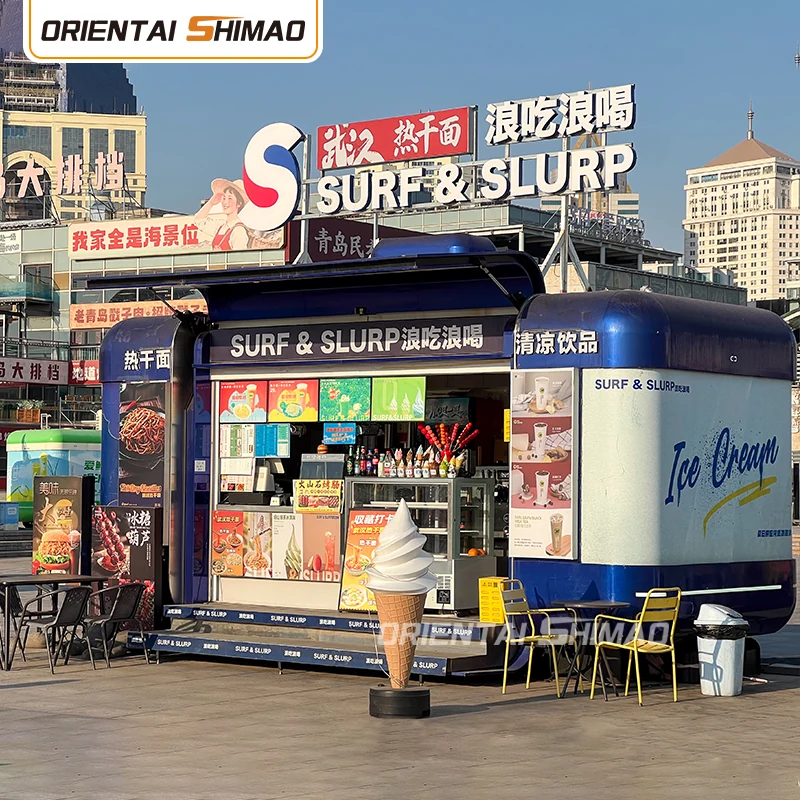
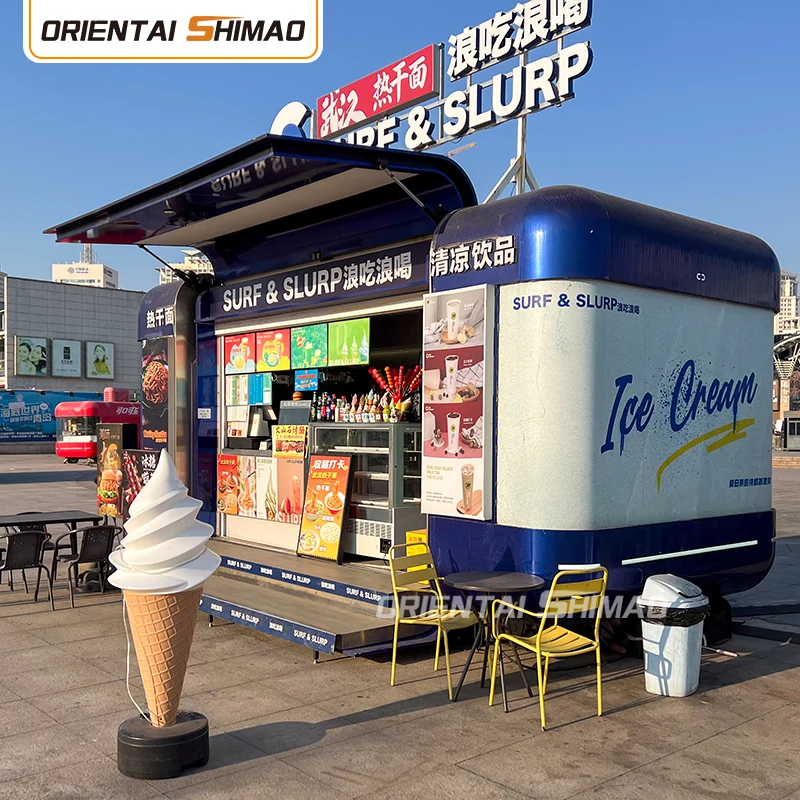
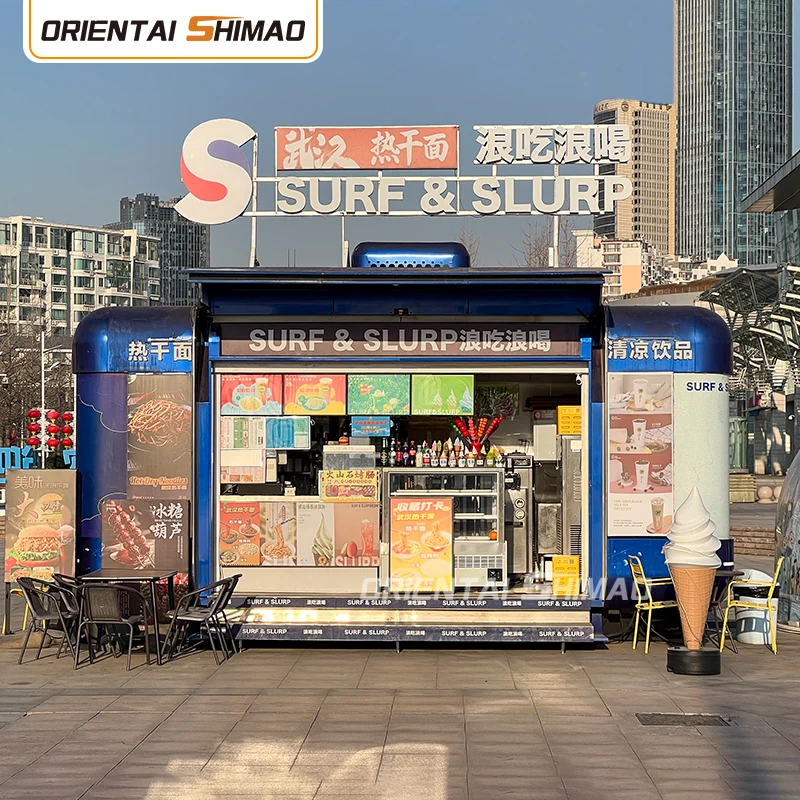
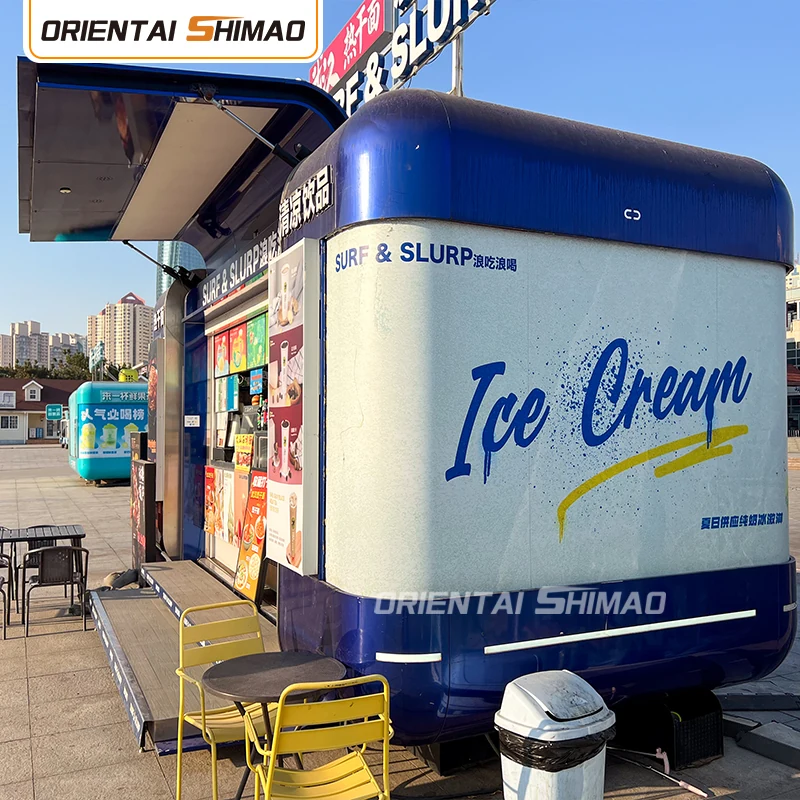
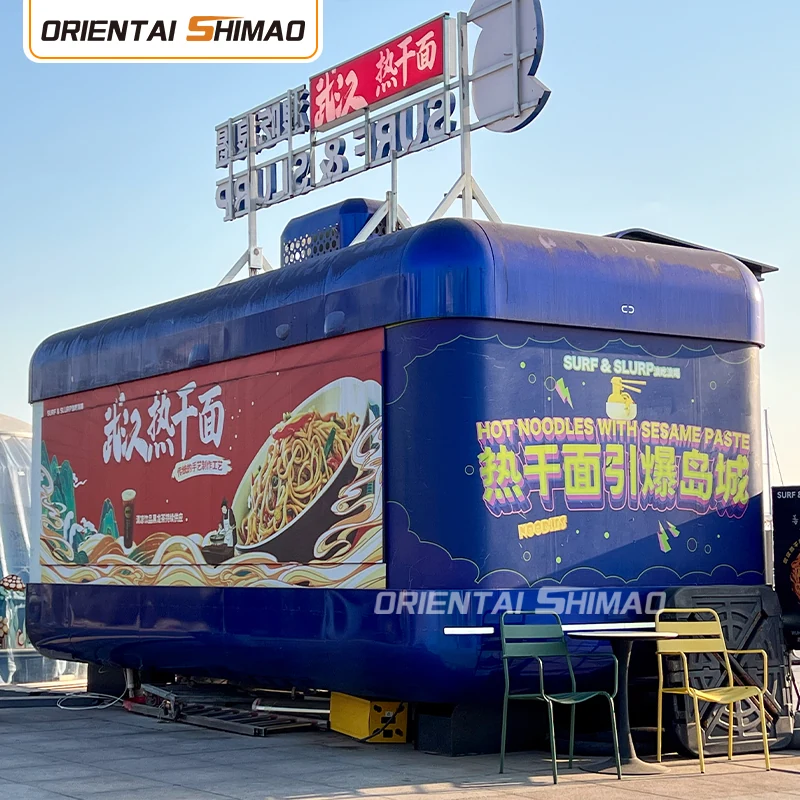
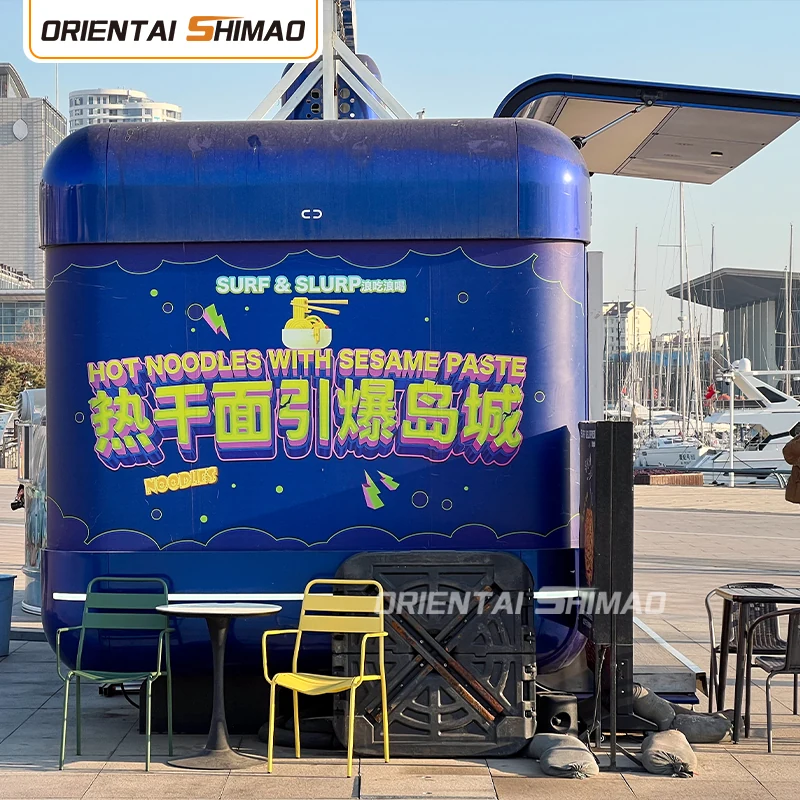
5m Blue Wheeled Beverage and Ice Cream Kiosk
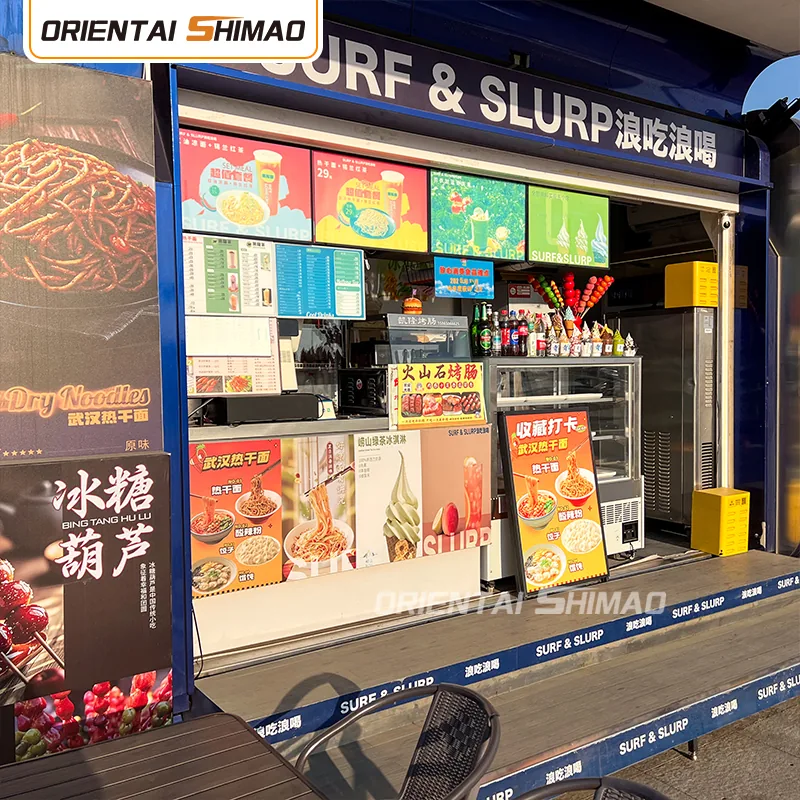
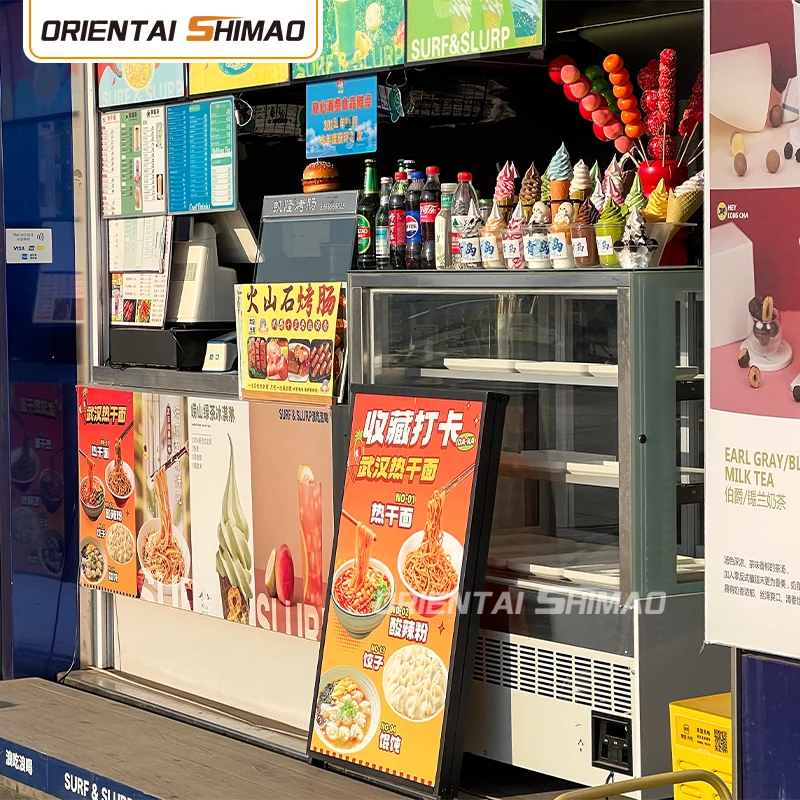
A combined cold-drink and ice cream menu can attract more customers while making the staff route much longer. The 5m Blue Wheeled Beverage and Ice Cream Kiosk uses a blue-and-white rounded shell, very wide front opening, large sign area and visible menu and service equipment. Physical photographs
Model:SMK-5000B
Send Inquiry
Product Description
5m Blue Wheeled Beverage and Ice Cream Kiosk
A combined cold-drink and ice cream menu can attract more customers while making the staff route much longer. The 5m Blue Wheeled Beverage and Ice Cream Kiosk uses a blue-and-white rounded shell, very wide front opening, large sign area and visible menu and service equipment. Physical photographs support ice cream, slush and cold-beverage use, although exact machine models, capacities and temperature performance are not documented. Small caster wheels allow controlled short-distance adjustment inside the venue; they are not road wheels or towing equipment. Trailer Legends can plan the kiosk around the buyer's menu and site utilities. The central challenge is grouping several product families so employees do not walk the entire frontage for every cup, cone or refill.
Divide the Frontage by Product Family
Ice cream, slush, juice and packaged drinks have different equipment and decision times. Buyers should decide which categories occupy the primary customer view and which remain secondary. Menu boards can group choices before payment. Internally, each family needs an equipment and consumables zone. A wide opening supports this division, but the final arrangement should avoid creating three miniature shops that duplicate cups, bins and payment tools.
Place High-Frequency Products Near the Cashier
Sales mix should determine equipment position. If slush or ice cream drives most orders, its serving point belongs close to payment and the main handoff. Lower-frequency items can sit farther away, provided staff access remains clear. Buyers should provide expected category percentages and peak combinations. This simple analysis reduces walking more effectively than spacing equipment evenly for appearance.
Plan Cold Equipment as Separate Heat Sources
Freezers, slush machines, refrigerators and ice makers may all reject heat and require airflow. Their intake, discharge, service panels and ambient limits come from selected model sheets. Placing several machines together can concentrate heat. The kiosk design should preserve ventilation and maintenance access. No cooling performance, output or standard equipment package is confirmed by the physical photographs.
Use One Cup and Lid Strategy Where Possible
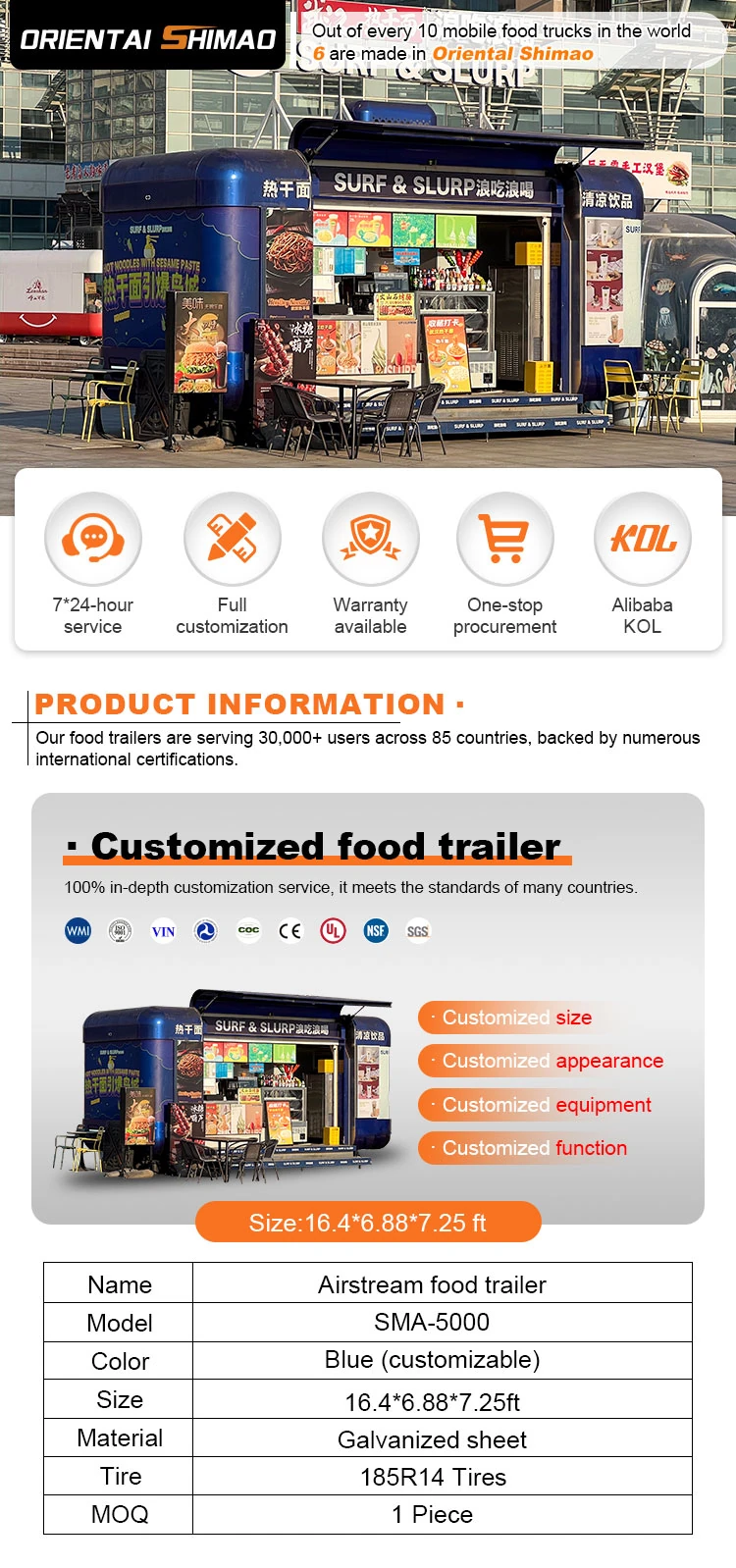
Different drink sizes can produce a large inventory of cups, lids, straws and carriers. Buyers should rationalize sizes across product families where the business permits. Ice cream cups, cones and spoons may need a separate section, but reserve stock can share a replenishment plan. Active consumables belong close to their equipment, and backup cartons should remain away from the customer counter and closing hardware.
Create a Topping and Finishing Boundary
Ice cream garnishes, fruit, syrups and drink finishes should not spread across the whole frontage. A defined finishing counter can serve several products if storage conditions and allergen procedures allow. The buyer should provide container sizes and standard recipes. Finished cups and cones then move to one collection zone. This reduces spills near payment and gives customers a predictable place to receive mixed orders.
Make Menu Screens and Signs Support Fast Choice
The source photographs show strong menu presentation. Buyers should group products by category, size and standard combinations so customers decide before ordering. Any digital screen requires electrical, mounting and content planning. Graphics must remain legible around the wide opening and use approved brand assets. A venue such as a plaza or attraction is a supporting scenario; the public theme remains beverage and ice cream service.
Plan Replenishment at Different Temperatures
Frozen ice cream, chilled fruit, syrups, cups and packaged drinks may be delivered and replenished differently. The buyer should identify carton sizes, reserve locations and refill frequency. Staff should not cross customer pickup with open stock. Equipment selected for the project is responsible for temperature control. The route from storage to each active station should be shown on the floor plan and closing checklist.
Build Cleaning Around Several Machine Types
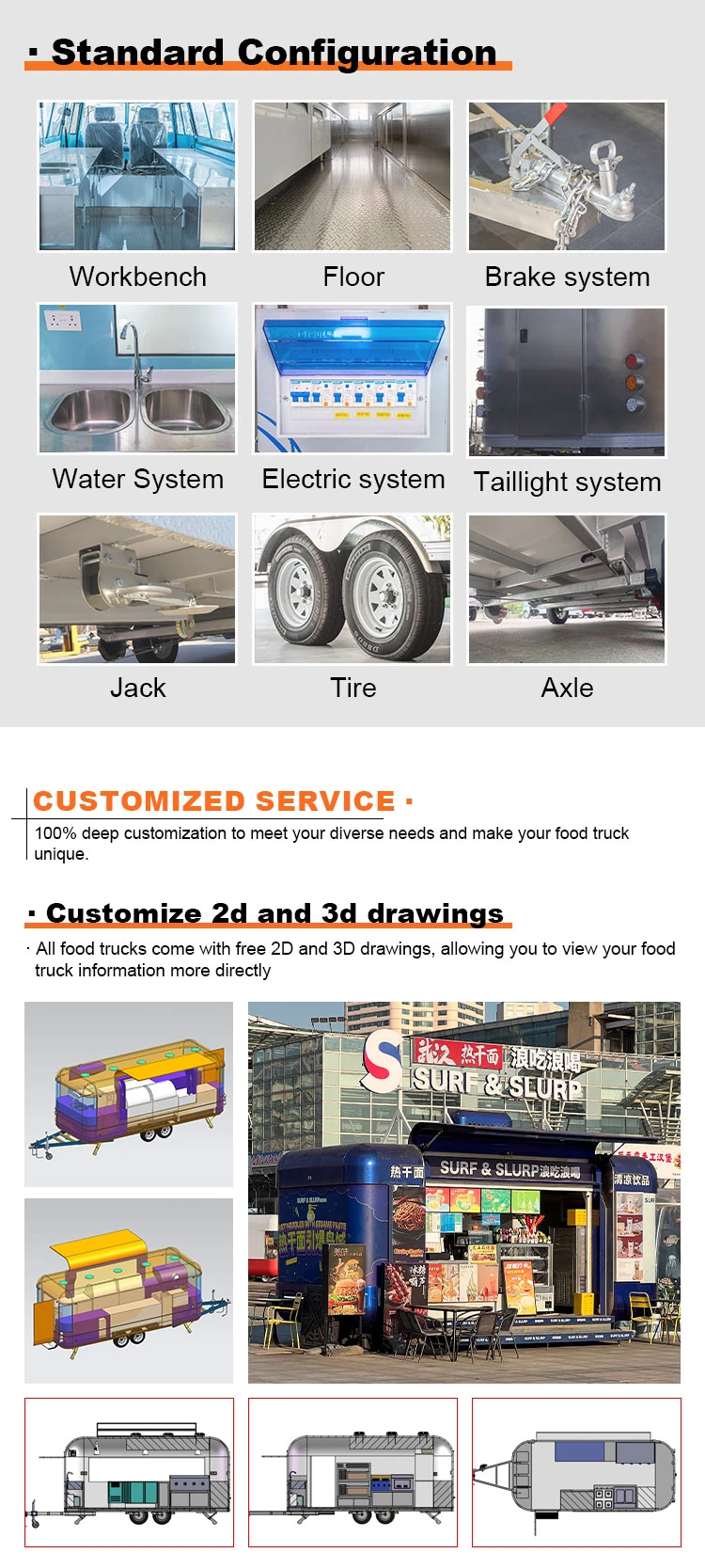
Slush hoppers, ice cream tools, blenders if selected, counters and drains require different cleaning. The operating brief should identify which parts move to sinks, what is cleaned in place and where items dry. Water, wastewater and electrical isolation may affect the plan. The visible kiosk equipment does not prove a universal sanitation system or local food-service approval.
Give Mixed Orders a Single Assembly Point
A family order may contain a cone, two slush drinks and a bottled beverage. Those items need to meet without covering the cashier's counter or melting while another product is prepared. A labelled assembly ledge near collection can hold short-duration orders. Staff should know which station calls the order complete. The largest common combination and carrier dimensions should be tested before the handoff surface is fixed.
Protect Customer Sightlines from Back-of-House Stock
A wide opening exposes much of the interior. Reserve cartons, cleaning tools and staff belongings can quickly weaken the retail presentation. Buyers should assign concealed storage that remains accessible to employees. Tall machines and menus should not hide the cashier or collection point. The aim is a readable service front, not a decorative wall that prevents equipment ventilation or replenishment.
Use Casters for Site Layout, Not Road Mobility
The small caster wheels may help reposition the kiosk over a short distance on a prepared venue surface. Operators should check floor condition, slope, obstacles, securing and utility disconnection before movement. The kiosk is normally fixed at an assigned operating point and cannot be described as a towable or highway-ready trailer. Long-distance delivery requires separate handling and transport arrangements.
Prepare an Opening and Closing Sequence
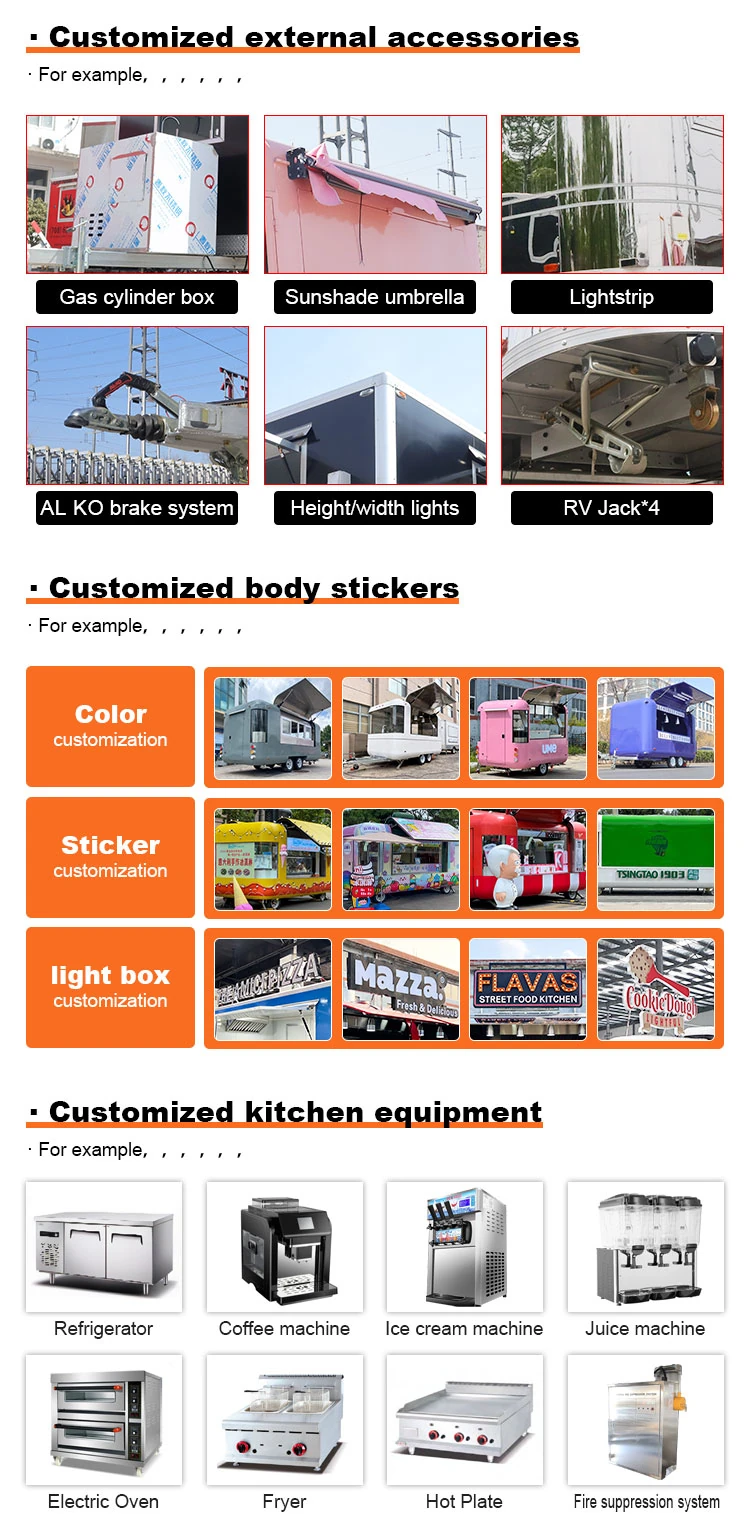
A multi-menu kiosk has more exposed tools, cups, signs and product zones. Staff should know which equipment is started first, which products are loaded last and how exposed items are stored at closing. The actual closure and security hardware must be confirmed. Overnight stock, weather and venue access affect the routine. This operational sequence should be approved together with equipment placement.
Confirm the Fixed-Site Utility Envelope
Several cold machines can create significant electrical demand and heat rejection. Water and drainage may also be required by selected products and cleaning. Buyers should confirm the supply at the exact operating point and route cables or hoses safely. Venue, electrical and food-service requirements must be verified for the destination. Road-trailer approvals are not relevant to the caster-mounted kiosk category.
Submit a Category Mix, Not Just a Machine List
Provide sales mix, recipes, equipment sheets, cup and cone sizes, toppings, reserve stock, staff count, menu system, closing plan, venue floor and utilities. Trailer Legends can then zone the 5m Blue Wheeled Beverage and Ice Cream Kiosk by actual demand, keeping short on-site repositioning and fixed-point operation accurately distinguished.
Frequently Asked Questions
1. Can this kiosk be towed between locations?
No. The bottom casters are intended only for controlled short-distance repositioning within the operating venue. They are not road wheels, a trailer axle or a towing system. External transport requires a separate logistics method. Before moving on site, staff should disconnect utilities as required and check the floor, slope, obstacles, clearances and securing method.
2. Which drink and ice cream machines are included?
The photographs confirm a mixed cold-dessert and beverage operation, but exact machine models, capacities and standard inclusions are not documented. Buyers should provide or approve the freezer, slush, refrigeration, ice or blending equipment schedule. Utilities, ventilation, service and cleaning should be planned from those sheets, and performance claims must remain evidence-based.
3. How should several menu categories be arranged?
Place the highest-volume category near payment and organize other equipment into clear zones. Use one finishing and collection boundary where practical. Provide expected sales mix, recipes and customer decision time. The goal is to reduce staff walking and duplicated supplies rather than space machines evenly across the wide frontage.
4. Why is equipment heat rejection important?
Cold machines release heat and need manufacturer-specified airflow and service access. Several units placed together can raise the local temperature or obstruct panels. Provide exact intake, discharge, clearance and ambient requirements. The kiosk shell and photographs do not establish cooling capacity or guarantee operation under every climate.
5. How should opening and closing be planned?
List equipment start-up and shutdown, product loading, utensil setup, menu activation, exposed-item storage and cleaning. Confirm who has access and whether stock remains overnight. The actual closure hardware and weather protection must be documented. A repeatable sequence prevents a wide multi-category counter from becoming disorganized at both ends of the day.
6. What utilities are needed at the operating point?
Requirements depend on the final machines and cleaning method. Provide electrical nameplate loads, water and drainage needs, heat-rejection data and any site restrictions. Route utilities without obstructing customers or approved repositioning. Venue, electrical and food-service obligations should be checked separately with the appropriate destination parties.
Next Step
| Share the beverage and ice cream sales mix, machine schedule, cup and cone plan, toppings, reserve stock, menu system, staff positions, closing routine and fixed-site utilities. Trailer Legends can then turn the wide blue frontage into a zoned multi-product service counter. |
|---|
Related Category
Food Truck
Food Trailer
Food Cart
Food Van
Rv Trailer
Toilet trailer
Square Food Truck
Airstream Food Trailer
Square Concession Trailer
Square Mobile Kitchen Trailer
Send Inquiry
Please Feel free to give your inquiry in the form below. We will reply you in 24 hours.