- English
- Español
- Português
- русский
- Français
- 日本語
- Deutsch
- tiếng Việt
- Italiano
- Nederlands
- ภาษาไทย
- Polski
- 한국어
- Svenska
- magyar
- Malay
- বাংলা ভাষার
- Dansk
- Suomi
- हिन्दी
- Pilipino
- Türkçe
- Gaeilge
- العربية
- Indonesia
- Norsk
- تمل
- český
- ελληνικά
- український
- Javanese
- فارسی
- தமிழ்
- తెలుగు
- नेपाली
- Burmese
- български
- ລາວ
- Latine
- Қазақша
- Euskal
- Azərbaycan
- Slovenský jazyk
- Македонски
- Lietuvos
- Eesti Keel
- Română
- Slovenski
- मराठी
- Srpski језик

How Can a Food Van Transform Your Mobile Food Business Into a Profitable Brand?
Article Summary
A Food Van is no longer just a vehicle used for selling food. It has evolved into a complete mobile business platform that allows entrepreneurs, restaurants, cafés, and catering companies to expand their customer reach with lower operating costs and greater flexibility.
This article explains how to choose the right Food Van, avoid common purchasing mistakes, optimize daily operations, and maximize long-term profits. Whether you are launching a new food business or expanding an existing one, understanding these factors will help you make a better investment decision.
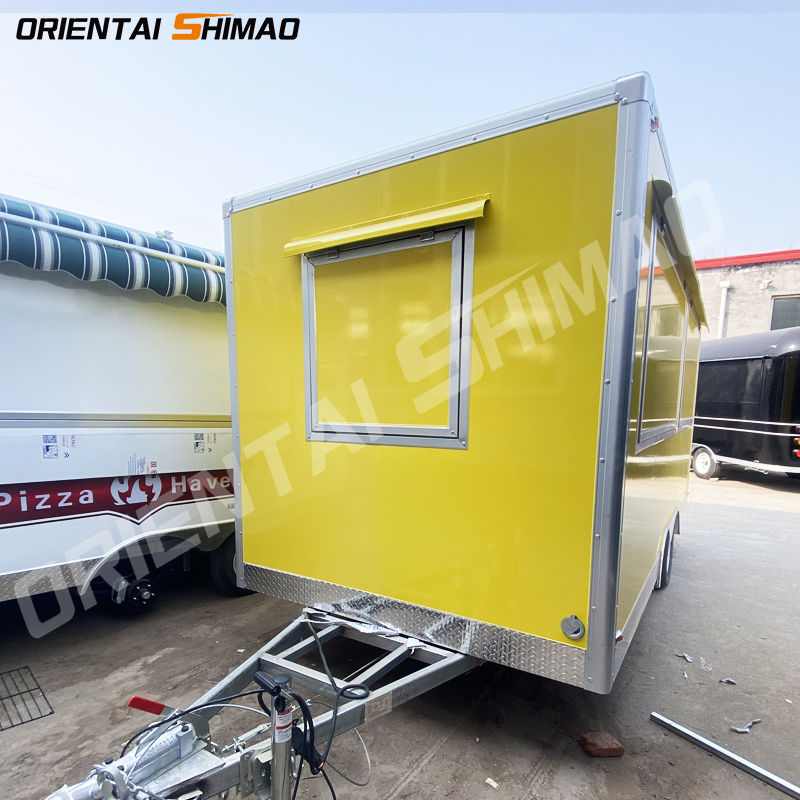
Table of Contents
- 1. What Is a Food Van?
- 2. Why Are Food Vans Becoming So Popular?
- 3. Who Should Invest in a Food Van?
- 4. How Do You Choose the Right Food Van?
- 5. Essential Equipment Inside a Food Van
- 6. Common Customer Pain Points and Solutions
- 7. Cost Comparison: Food Van vs Traditional Restaurant
- 8. How Can You Increase Food Van Profitability?
- 9. Why Work With ORIENTAL SHIMAO?
- 10. Frequently Asked Questions
Article Outline
- Introduction to Food Vans
- Market Growth Opportunities
- Target Customer Groups
- Buying Considerations
- Equipment Configuration
- Problem Solving Strategies
- Investment Analysis
- Business Growth Techniques
- Manufacturer Selection
- FAQs
1. What Is a Food Van?
A Food Van is a professionally customized mobile kitchen designed for preparing, cooking, displaying, and selling food products directly to customers in various locations.
Unlike a traditional restaurant, a Food Van provides mobility and flexibility, allowing business owners to relocate according to customer traffic and market demand.
Modern Food Vans are commonly used for:
- Street food businesses
- Coffee shops
- Bakery sales
- Ice cream businesses
- Fast food operations
- Event catering
- Festival food service
- Corporate events
- Brand marketing campaigns
A professionally built Food Van combines transportation, food preparation, and branding into one integrated solution.
2. Why Are Food Vans Becoming So Popular?
Consumer preferences have shifted toward convenience, unique experiences, and fresh food options.
Food Vans allow businesses to meet customers where they already gather.
Key advantages include:
| Advantage | Benefit |
|---|---|
| Mobility | Operate in different locations every day |
| Lower Investment | Reduce rental expenses significantly |
| Brand Exposure | Create a moving advertisement |
| Fast Launch | Start operations quickly |
| Flexibility | Adjust menus based on market trends |
| Scalability | Add more vehicles as the business grows |
Business owners can easily test new markets without committing to expensive long-term leases.
3. Who Should Invest in a Food Van?
A Food Van is suitable for various industries.
Ideal buyers include:
- Startup entrepreneurs
- Restaurant owners
- Café operators
- Bakery businesses
- Event organizers
- Corporate catering companies
- Hotel groups
- Franchise brands
- Tourism businesses
If your goal is to expand sales channels without opening another physical store, a Food Van can be an efficient solution.
4. How Do You Choose the Right Food Van?
Many buyers focus only on appearance, but functionality determines long-term success.
Consider these factors before purchasing:
| Factor | Questions to Ask |
|---|---|
| Vehicle Size | How many employees will work inside? |
| Menu Type | Will you fry, grill, bake, or brew? |
| Power Supply | Generator or external electricity? |
| Water System | How much water storage is needed? |
| Storage Capacity | Will ingredients require refrigeration? |
| Ventilation | Is a commercial exhaust system necessary? |
| Local Regulations | Does it meet local standards? |
Choosing an experienced manufacturer can prevent expensive modifications later.
5. Essential Equipment Inside a Food Van
A professional Food Van should include equipment that supports operational efficiency.
Common configurations include:
- Commercial refrigerator
- Freezer
- Gas stove
- Fryer
- Griddle
- Coffee machine
- Workstations
- Storage cabinets
- Water tanks
- Sinks
- Ventilation systems
- Electrical control systems
- LED lighting
- Cash register systems
The equipment layout should maximize workspace while ensuring employee safety.
6. Common Customer Pain Points and Solutions
| Customer Pain Point | Solution |
|---|---|
| Limited workspace | Use customized interior layouts |
| High energy consumption | Install energy-efficient systems |
| Difficult cleaning | Choose stainless steel surfaces |
| Poor ventilation | Add commercial exhaust systems |
| Insufficient storage | Utilize overhead cabinets |
| Equipment breakdown | Select reliable components |
| Regulatory compliance concerns | Work with experienced manufacturers |
Addressing these issues early helps reduce downtime and improve customer satisfaction.
7. Cost Comparison: Food Van vs Traditional Restaurant
| Expense Category | Food Van | Traditional Restaurant |
|---|---|---|
| Initial Investment | Low to Medium | Very High |
| Monthly Rent | Minimal | High |
| Utilities | Lower | Higher |
| Staff Requirements | 2-4 Employees | 6-20 Employees |
| Expansion Speed | Fast | Slow |
| Mobility | Excellent | None |
Food Vans can significantly reduce operating expenses while creating more sales opportunities.
8. How Can You Increase Food Van Profitability?
Successful operators focus on both mobility and customer experience.
Recommended strategies:
- Participate in festivals and public events.
- Offer limited-time menu items.
- Build strong social media visibility.
- Partner with local businesses.
- Create loyalty programs.
- Introduce seasonal products.
- Use digital payment systems.
- Optimize ingredient inventory.
- Track customer preferences.
- Invest in professional branding.
The Food Van itself should become a recognizable advertisement for your business.
9. Why Work With ORIENTAL SHIMAO?
ORIENTAL SHIMAO specializes in manufacturing customized Food Van solutions for global customers.
The company focuses on delivering durable, efficient, and visually attractive mobile food vehicles designed for long-term commercial operations.
Key advantages include:
- Customized designs
- Professional engineering teams
- High-quality materials
- Flexible configurations
- Global export experience
- Strict quality control
- Modern production facilities
- After-sales support
ORIENTAL SHIMAO helps businesses create mobile kitchens that combine operational efficiency with strong brand identity.
10. Frequently Asked Questions
Q1: How many employees can work inside a Food Van?
Typically 2 to 4 employees can work comfortably, depending on vehicle size.
Q2: Can I customize the interior equipment?
Yes. Equipment layouts can be tailored according to your menu and workflow requirements.
Q3: Are Food Vans suitable for all climates?
Yes. Proper insulation and ventilation systems allow year-round operation.
Q4: How long does a Food Van last?
With proper maintenance, a professionally manufactured Food Van can operate for many years.
Q5: Is a Food Van a good investment?
For many entrepreneurs, it provides lower operational risks and faster market entry compared to traditional restaurants.
Q6: Can I expand my business using multiple Food Vans?
Yes. Many successful brands build entire fleets to cover multiple cities and events.
Start Building Your Mobile Food Business Today
If you are looking for a reliable Food Van manufacturer that can help transform your business idea into a profitable mobile brand, ORIENTAL SHIMAO is ready to support your project with customized solutions and professional expertise.
Contact us today to discuss your requirements, receive a customized proposal, and discover how ORIENTAL SHIMAO can help you build a high-performance Food Van that stands out in the market and accelerates your business growth.