- English
- Español
- Português
- русский
- Français
- 日本語
- Deutsch
- tiếng Việt
- Italiano
- Nederlands
- ภาษาไทย
- Polski
- 한국어
- Svenska
- magyar
- Malay
- বাংলা ভাষার
- Dansk
- Suomi
- हिन्दी
- Pilipino
- Türkçe
- Gaeilge
- العربية
- Indonesia
- Norsk
- تمل
- český
- ελληνικά
- український
- Javanese
- فارسی
- தமிழ்
- తెలుగు
- नेपाली
- Burmese
- български
- ລາວ
- Latine
- Қазақша
- Euskal
- Azərbaycan
- Slovenský jazyk
- Македонски
- Lietuvos
- Eesti Keel
- Română
- Slovenski
- मराठी
- Srpski језик

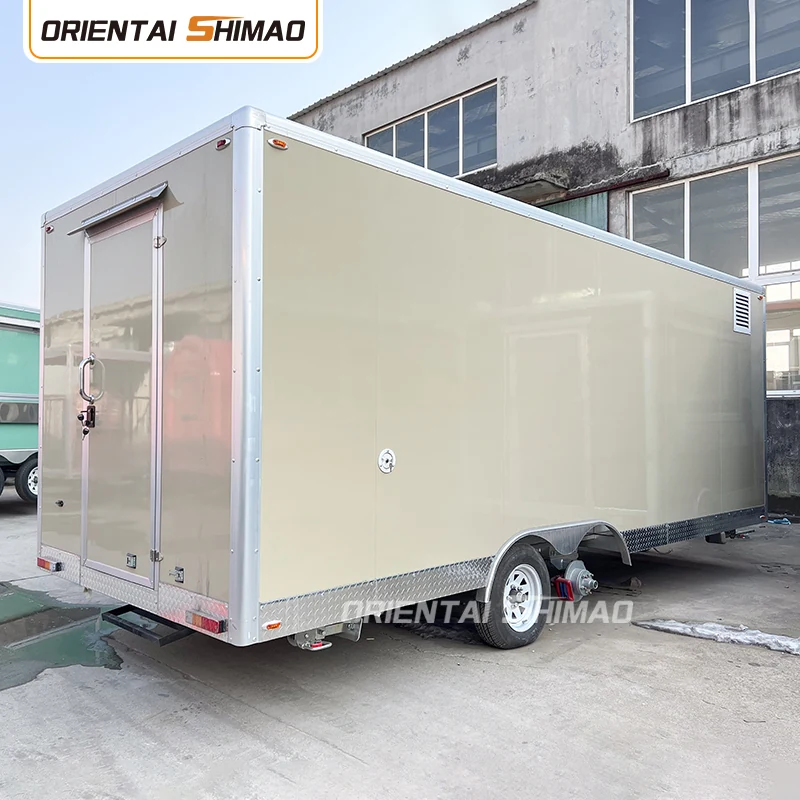
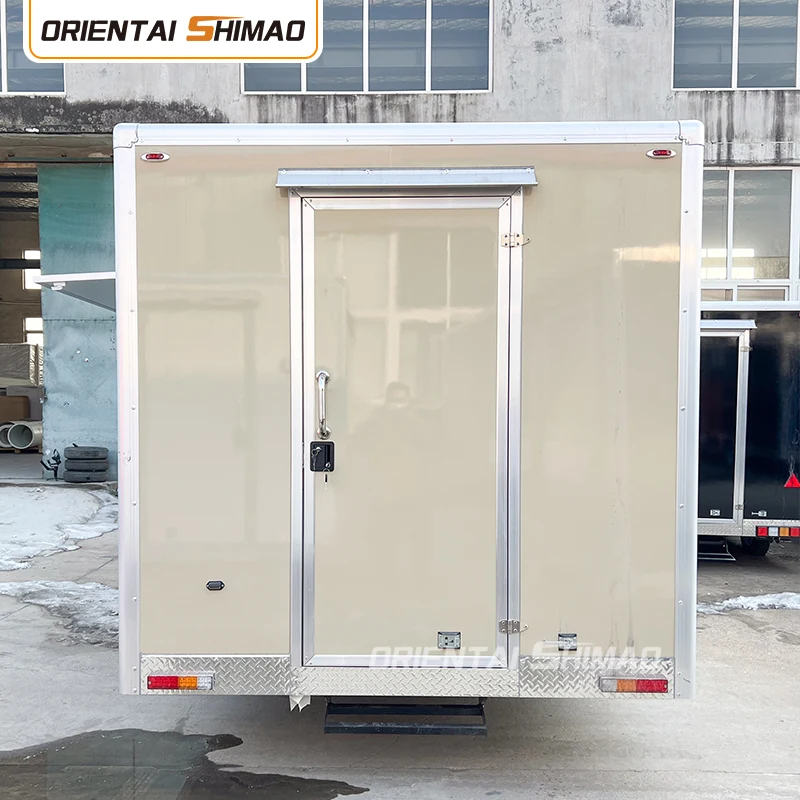
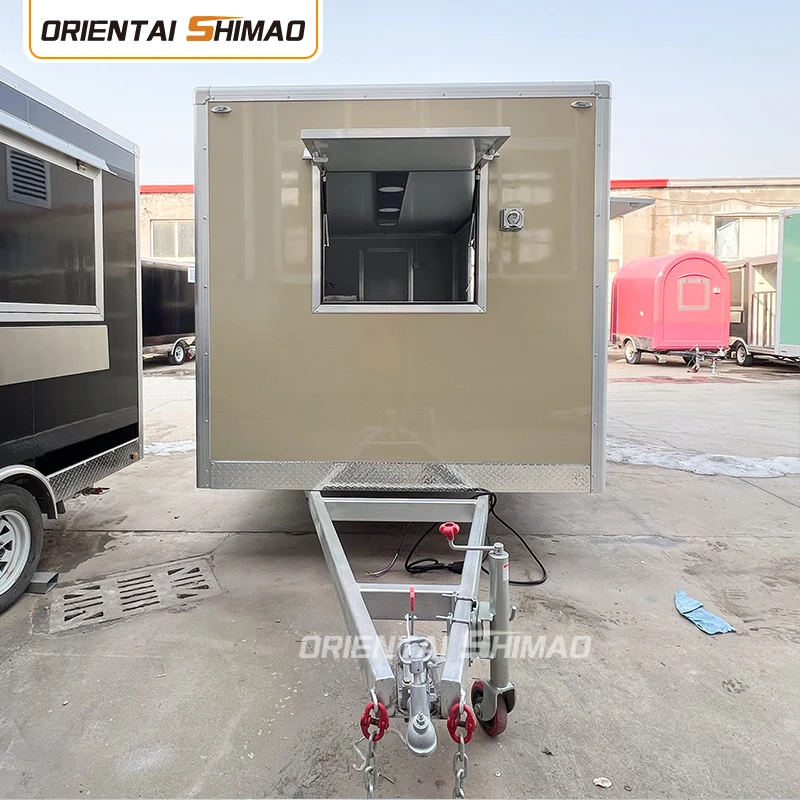
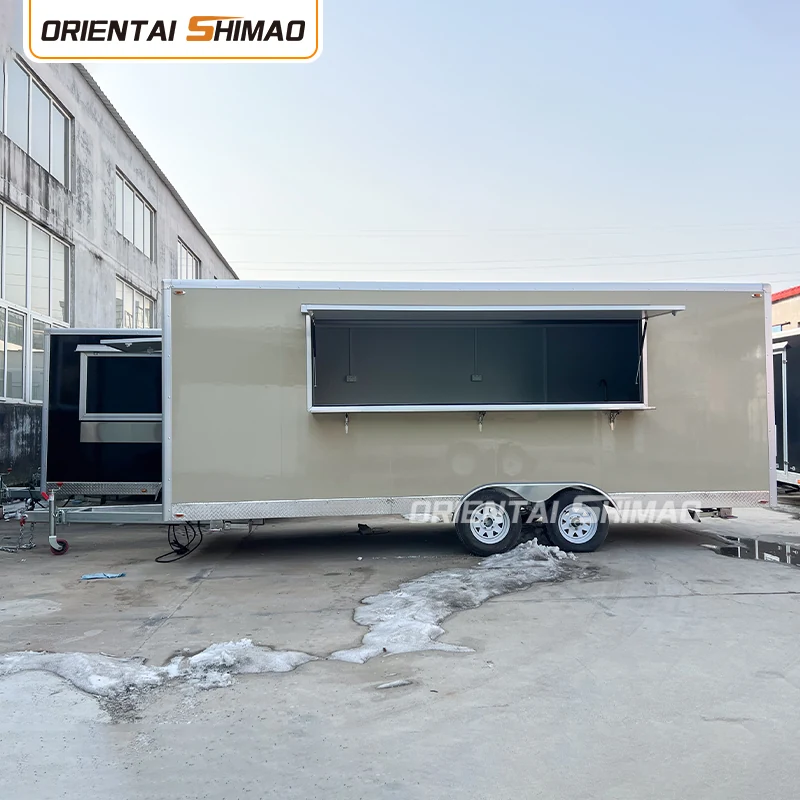
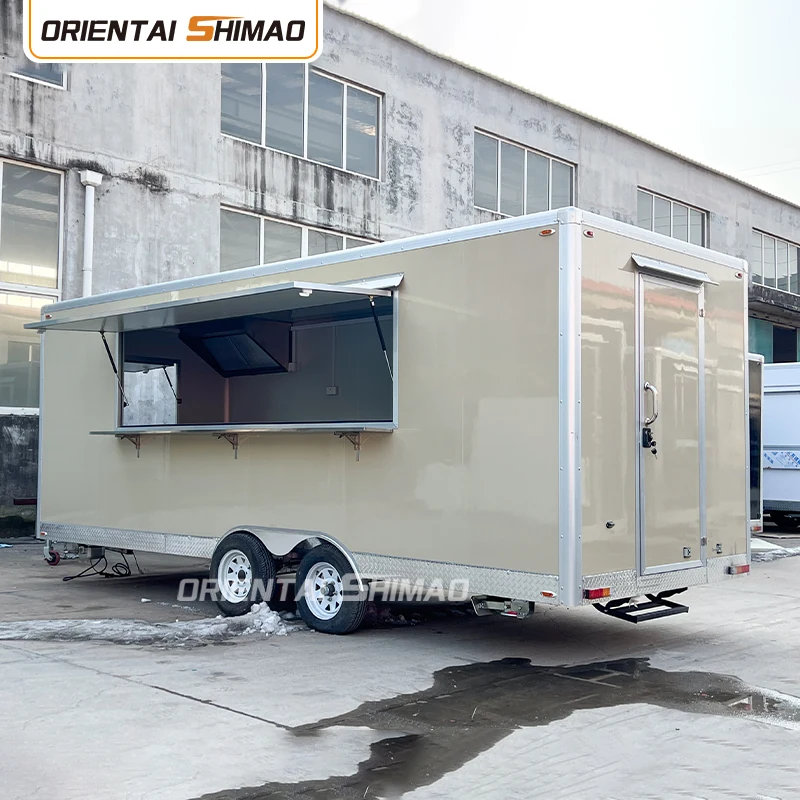
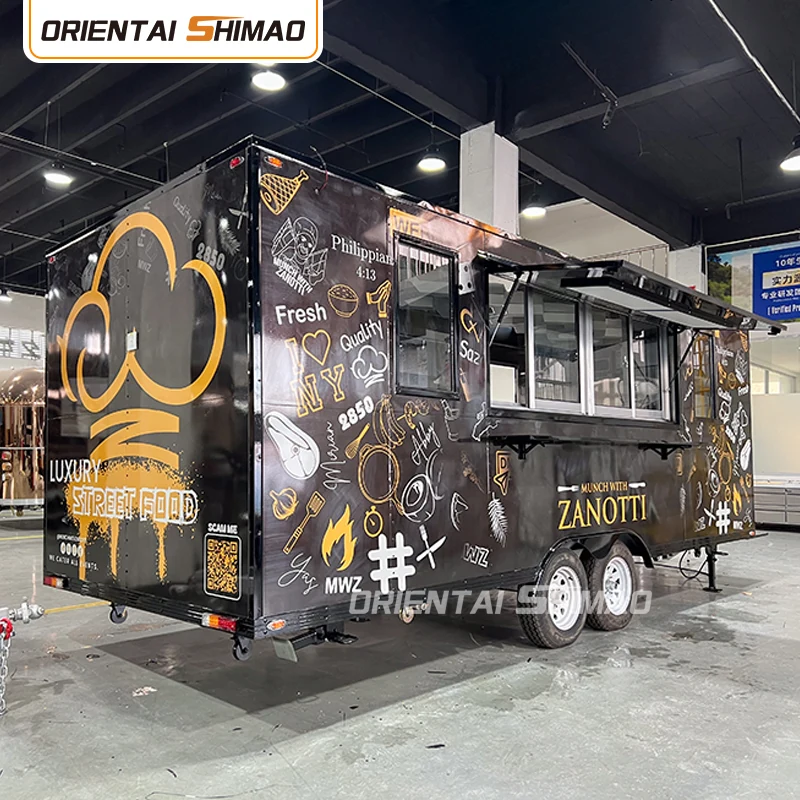
5.5m Beige Square Beer Service Trailer
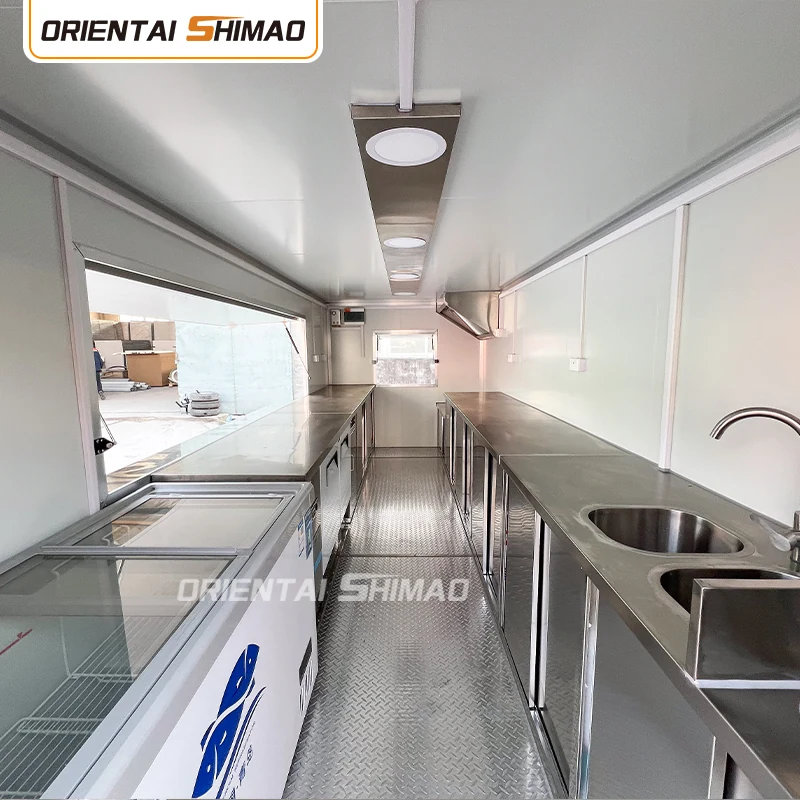
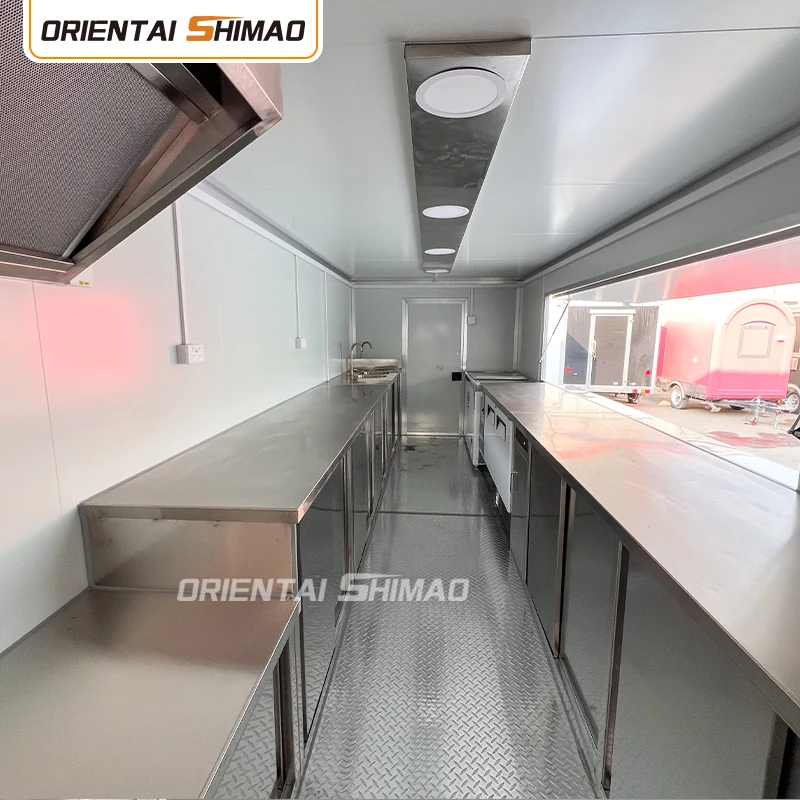
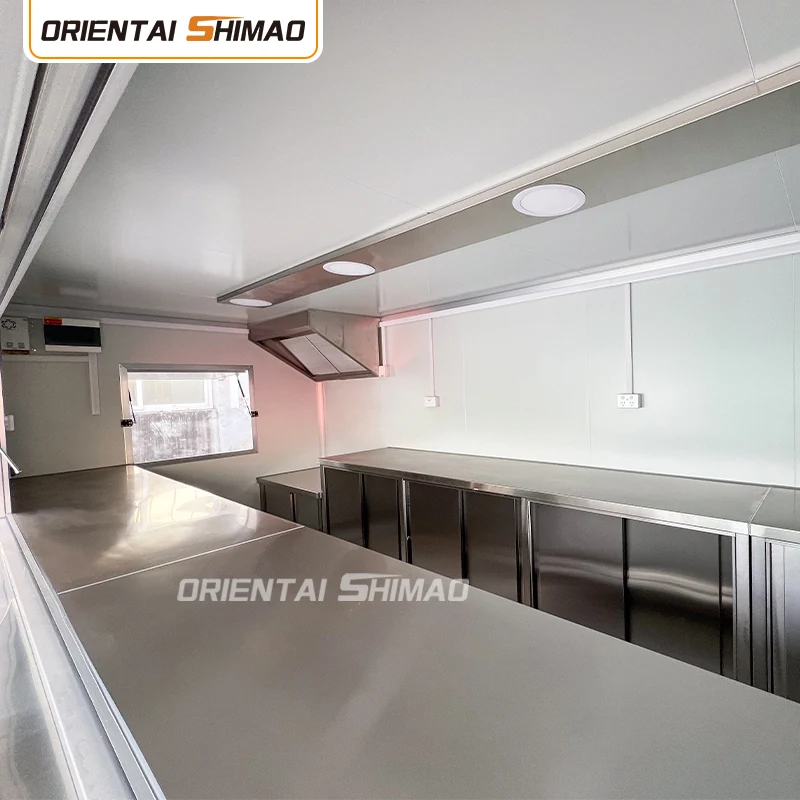
Beer service becomes a logistics operation when the queue is measured in cups per minute. The 5.5m Beige Square Beer Service Trailer provides a long rectangular body, broad side opening, smaller end opening, central passage, counters, sinks and cabinets. Operating images marked COLD BEER support
Model:SMS-5500
Send Inquiry
Product Description
5.5m Beige Square Beer Service Trailer
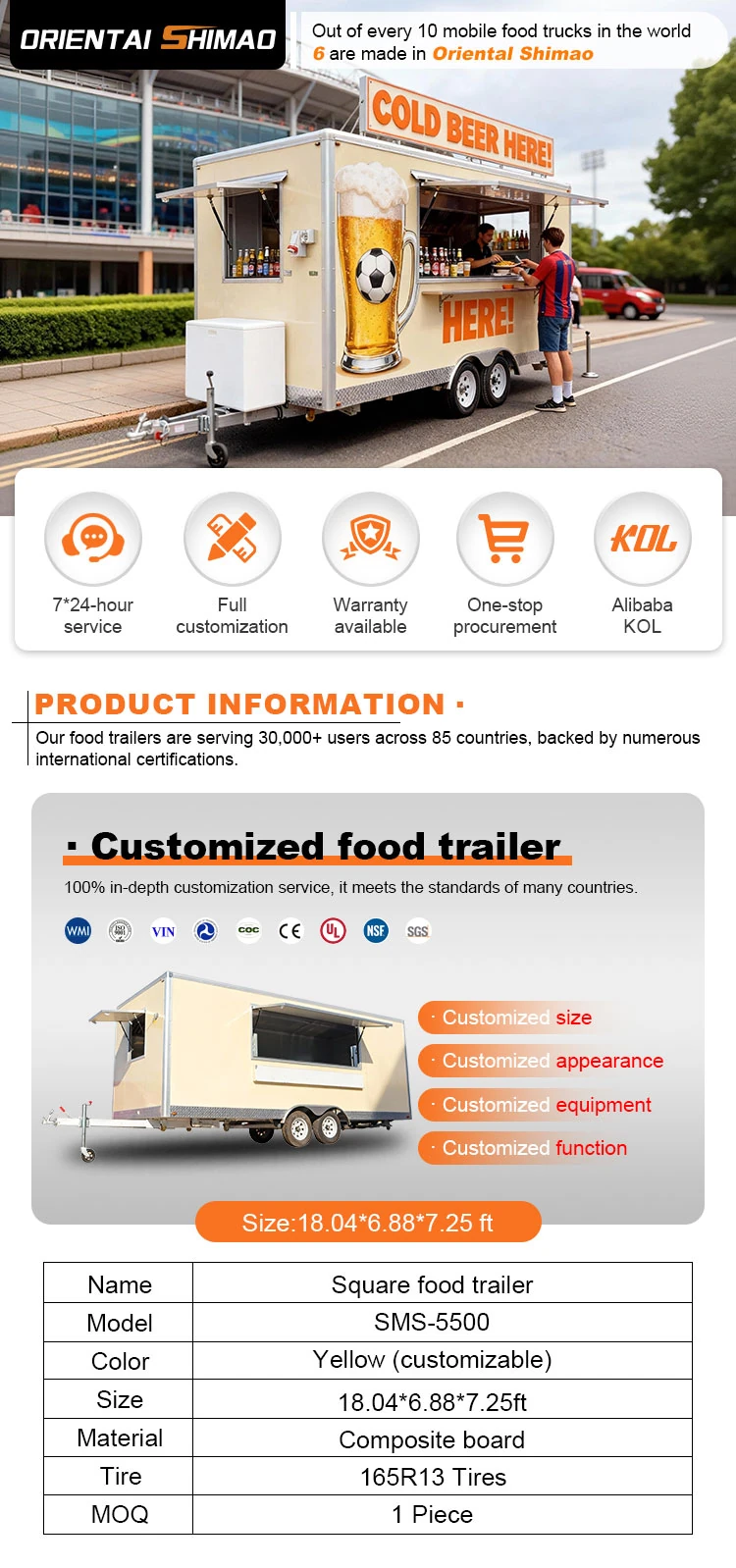
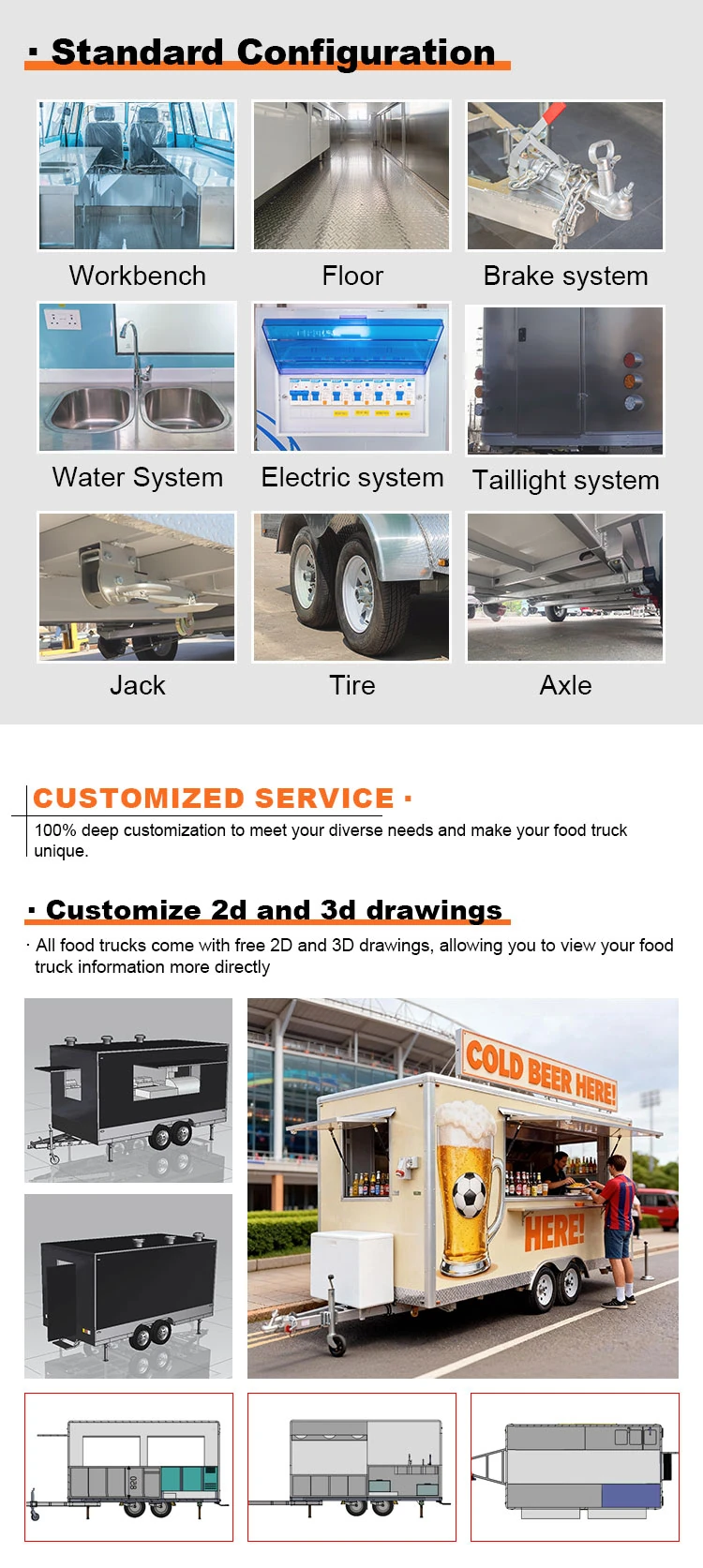
Beer service becomes a logistics operation when the queue is measured in cups per minute. The 5.5m Beige Square Beer Service Trailer provides a long rectangular body, broad side opening, smaller end opening, central passage, counters, sinks and cabinets. Operating images marked COLD BEER support the application theme, but taps, kegs, coolers, gas systems and packaged-beverage refrigeration are not confirmed as standard. Trailer Legends can configure the shell for draft, packaged or mixed service after the buyer selects a system. The principal procurement issue is how to separate ordering, pouring or retrieval, cup finishing, collection, empty-container handling and stock replenishment so a long bar does not make employees walk farther for every drink.
Choose Draft, Packaged or Mixed Service
Draft service may require keg storage, product lines, cooling, gas management, drainage and cleaning. Packaged service relies more heavily on refrigerated cases and fast restocking. A mixed offer combines both demands. Buyers should define product formats, cup or package sizes, expected peak volume and alcohol-service method before counters are fixed. The square beer service trailer can be configured around selected equipment, but no tap count, cooler capacity or dispensing system should be inferred from the themed images.
Put the Pouring Station at the Centre of Its Supplies
A draft station needs cups, taps, drip management, payment information and access to the selected cooling or keg system. Packaged service needs refrigeration and a stable opening method. Whichever format is chosen, the employee should reach core supplies without crossing another station. Exact equipment and line routes must remain serviceable. A visually long counter is not useful when its cold stock or cleaning access sits at the opposite end.
Assign the Large and Small Openings Deliberately
The broad side opening may handle main ordering and collection, while the end opening can support pre-paid pickup, a secondary product line or another defined role. Exterior queue direction and customer barriers must be considered. Internally, each opening needs a nearby counter and employee. If the smaller opening cannot connect naturally to the beverage line, it may be better reserved for a limited function. Two windows should not be advertised as faster without a tested service plan.
Keep Cups, Carriers and Garnishes on the Forward Path
Cups, lids where used, carriers, napkins and permitted garnishes should follow the drink toward collection. Their dimensions and one-peak-period quantities determine shelves and dispensers. Reserve cartons should remain accessible without covering the bar. Glassware or reusable cups, if chosen, add return and washing steps that must be separated from clean stock. Packaging choices therefore influence both customer handoff and back-of-house storage.
Design a Return Route for Empties and Waste
Kegs, cases, cans, bottles, used cups and general waste leave the operation differently. The buyer should define which items are returned, recycled, washed or discarded under venue rules. Empty containers should not travel through the clean cup or collection zone. A dedicated holding area and removal route protect the aisle during a rush. The page does not claim an integrated waste, glass-washing or keg-handling system.
Restock Without Crossing the Queue
Large beverage volume can exhaust cold stock quickly. Buyers should state case or keg dimensions, replacement frequency and the entry route used during service. Heavy items require an appropriate handling plan and placement based on the final specification. Reserve stock should reach its station without crossing customers or blocking payment. No payload, floor rating or lifting feature is stated by this page.
Manage Cold-Equipment Heat and Service Access
Refrigerators, keg coolers or other selected systems reject heat and need airflow. A long enclosed counter can trap discharge or hide service panels. Buyers should provide intake, exhaust, clearance and ambient requirements for each model. Equipment should remain removable or maintainable without dismantling the bar. No storage temperature, cooling capacity or operating climate is established until the final package is documented.
Plan Safe Handling for Heavy Beverage Stock
Full kegs and beverage cases can be heavy and awkward in a narrow passage. The buyer should define delivery, lifting or rolling methods, securing and employee access based on the completed project. Stock should be placed to support safe handling and the final trailer balance without claiming a floor rating. Any trolley, lift or restraint must be selected and specified rather than assumed from the trailer size.
Plan Cleaning for the Selected Dispensing Method
Draft lines, drip areas, reusable components and sinks have different cleaning requirements from packaged service. Buyers should follow equipment instructions and destination alcohol and food-service rules. Cleaning tools and chemicals need protected storage away from cups and product. Drainage and water demand should be calculated from the selected system. The visible sinks do not establish a complete line-cleaning or sanitation package.
Use the Beige Body as a Flexible Brand Background
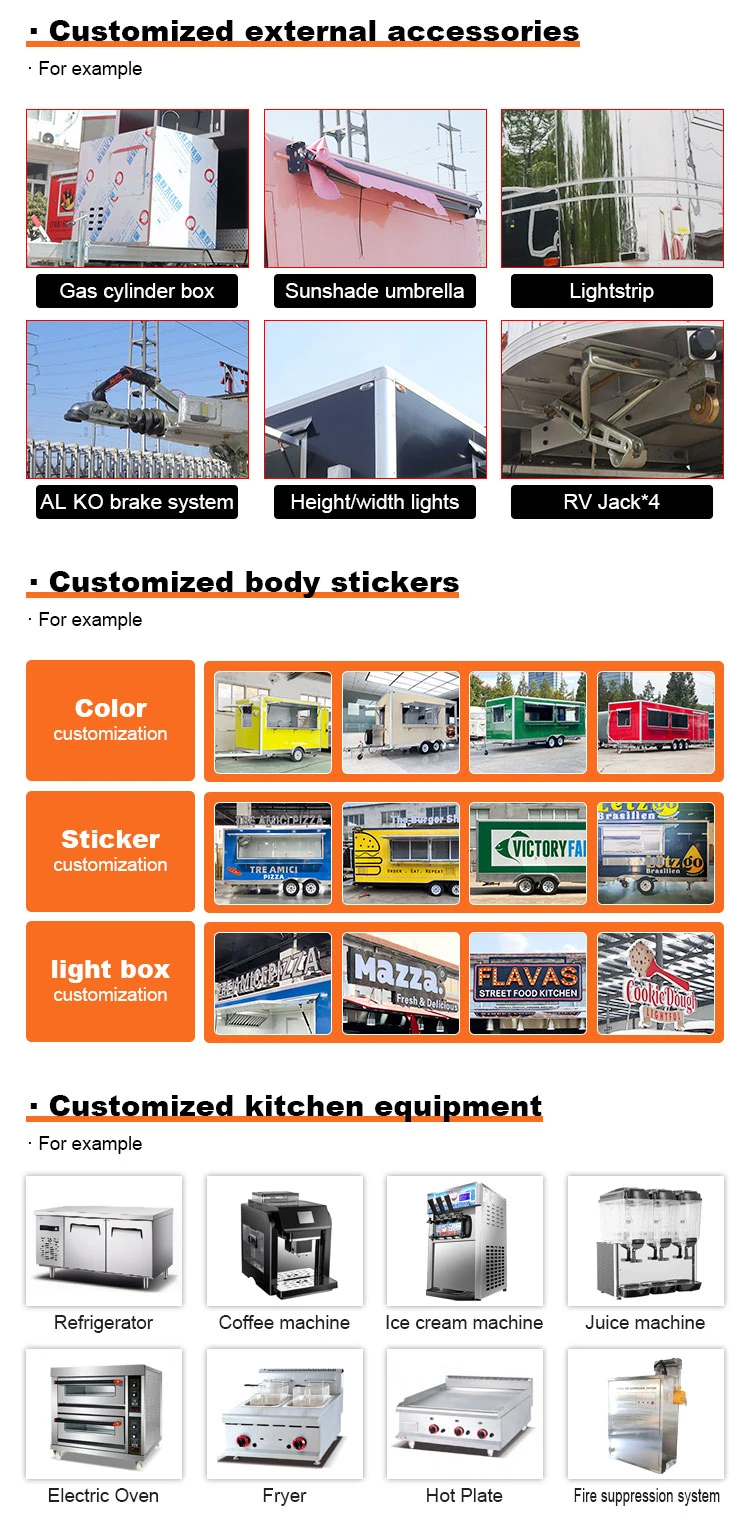
A neutral square exterior can support brewery marks, sponsor graphics, menu boards or event-specific panels. Artwork should make ordering and collection points obvious without covering windows or ventilation. Sports and festivals are supporting scenarios, not the product theme. Buyers must provide approved logos and rights. The images do not confirm an exterior material grade, coating life or permission to sell alcohol in any venue.
Check Alcohol Service and Trailer Requirements Separately
Alcohol licensing, age controls and venue operation depend on the destination and operator. Trailer documentation, towing, electrical work, refrigeration and any gas or dispensing system may follow separate requirements. Buyers should identify the market and final equipment package, then consult appropriate local parties. The page does not claim that alcohol can be sold in every region or that a component approval covers the completed trailer.
Model the Peak Between Two Service Openings
Provide the beverage format, equipment sheets, package and cup sizes, peak transactions, staff roles, window assignments, cold-stock cycle, return method, utilities and target market. Run a short simulation that includes a stock change and a customer question. Trailer Legends can then organize the 5.5m Beige Square Beer Service Trailer as a repeatable beverage line rather than a long counter with unplanned walking.
Frequently Asked Questions
1. Are beer taps and cooling equipment included?
The operating images support a beer-service theme, but taps, kegs, coolers, refrigeration, gas equipment and line-cleaning components are not confirmed as standard. Buyers should select a draft, packaged or mixed system and provide model sheets, utilities, ventilation, drainage and access needs. Only documented equipment should be described as supplied.
2. How can the two openings be used?
The large side opening can serve the main queue, while the smaller end opening may support pickup, pre-paid orders or a limited secondary line. Each role must connect to an internal counter and employee without crossing stock or cleaning routes. Exterior signage and queue direction are important. If the end opening adds walking, it should remain a secondary function.
3. Where should kegs or packaged stock be stored?
Use actual keg, case or carton dimensions and replacement frequency. Place active stock near the responsible station while keeping the central passage clear. Heavy items need an appropriate handling and securing plan based on the final trailer specification. Reserve stock should be replenished through a route that avoids the customer queue and clean cup area.
4. How is cleaning different for draft beer?
Draft service may add line cleaning, drip management, reusable fittings and drainage needs. Follow the selected equipment supplier's instructions and local alcohol and hygiene requirements. Packaged service has different refrigerator and waste routines. Cleaning chemicals and tools should remain separated from cups and product. No universal cleaning system is included by implication.
5. Does the trailer include permission to sell alcohol?
No. Alcohol licensing, age verification and venue permission belong to the operator and destination authorities. The product page describes a beer-service layout, not legal authorization. Buyers should confirm local alcohol, venue, electrical, refrigeration and trailer requirements with appropriate parties before operation.
6. What transport information must be confirmed?
Confirm completed trailer dimensions, weight information, coupling, axle details, towing arrangement and destination road requirements from the final project documents. The page does not state payload or universal road legality. Heavy beverage stock also requires a loading and securing plan that should be reviewed separately from the empty shell.
Next Step
| Share the beer format, dispensing or refrigeration equipment, cup and package plan, peak service, staff roles, window use, replenishment, returns and destination alcohol requirements. Trailer Legends can then design the long beige body around a controlled beverage flow. |
|---|
Related Category
Food Truck
Food Trailer
Food Cart
Food Van
Rv Trailer
Toilet trailer
Square Food Truck
Airstream Food Trailer
Square Concession Trailer
Square Mobile Kitchen Trailer
Send Inquiry
Please Feel free to give your inquiry in the form below. We will reply you in 24 hours.