- English
- Español
- Português
- русский
- Français
- 日本語
- Deutsch
- tiếng Việt
- Italiano
- Nederlands
- ภาษาไทย
- Polski
- 한국어
- Svenska
- magyar
- Malay
- বাংলা ভাষার
- Dansk
- Suomi
- हिन्दी
- Pilipino
- Türkçe
- Gaeilge
- العربية
- Indonesia
- Norsk
- تمل
- český
- ελληνικά
- український
- Javanese
- فارسی
- தமிழ்
- తెలుగు
- नेपाली
- Burmese
- български
- ລາວ
- Latine
- Қазақша
- Euskal
- Azərbaycan
- Slovenský jazyk
- Македонски
- Lietuvos
- Eesti Keel
- Română
- Slovenski
- मराठी
- Srpski језик

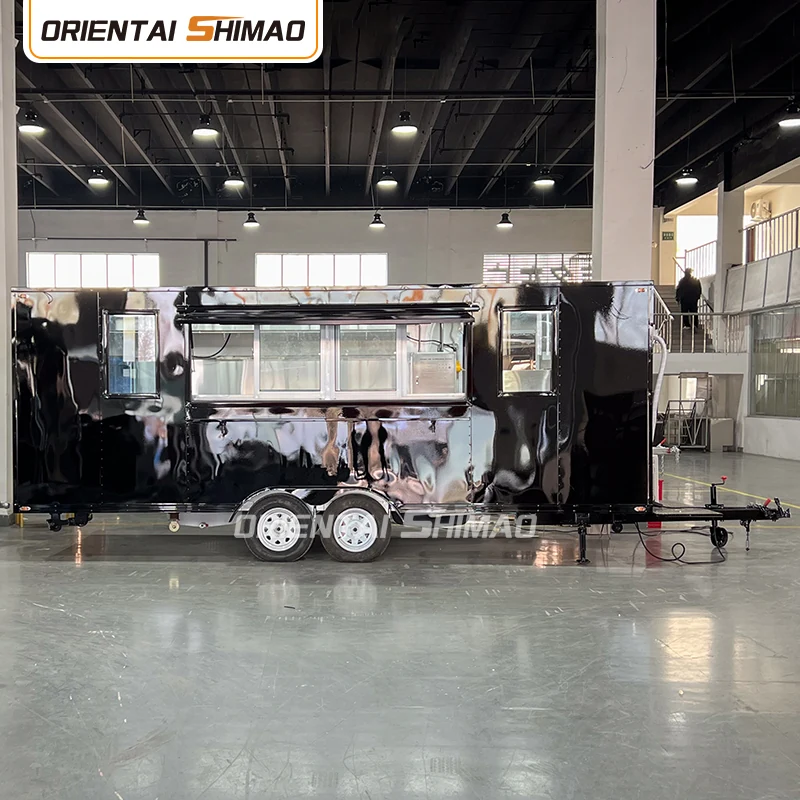
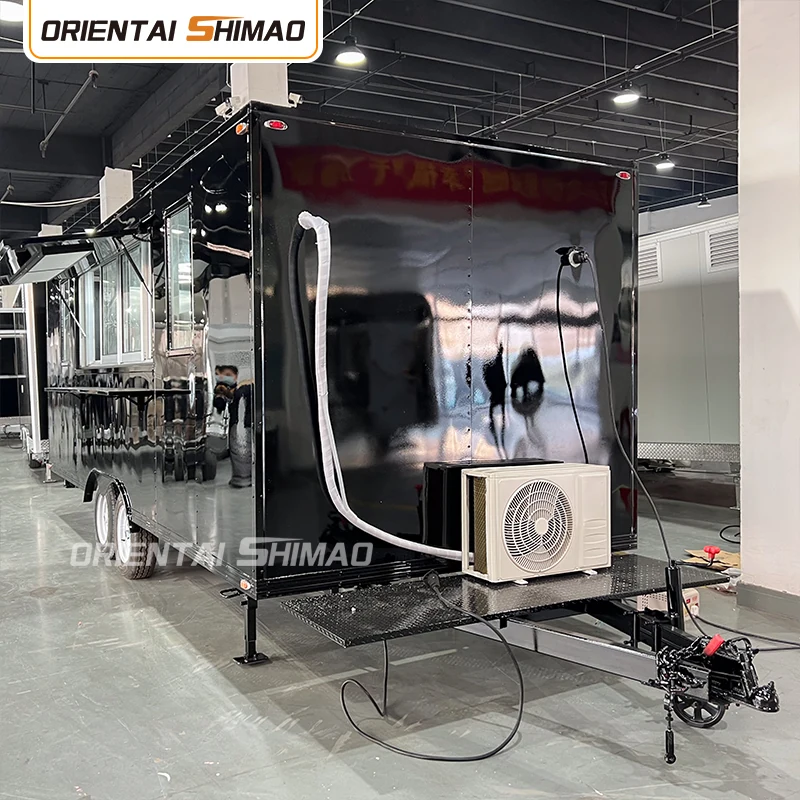
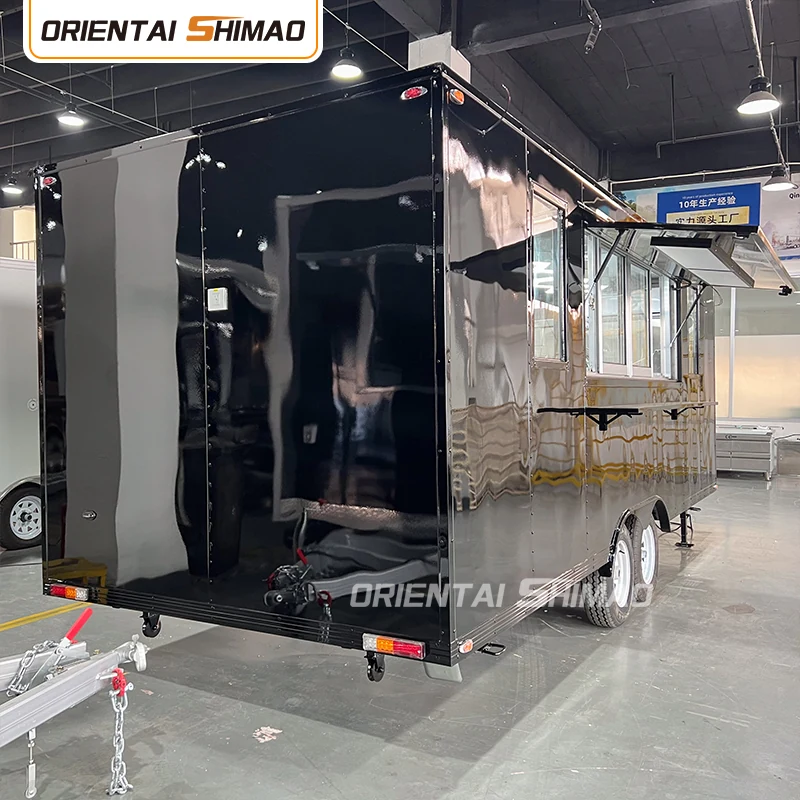
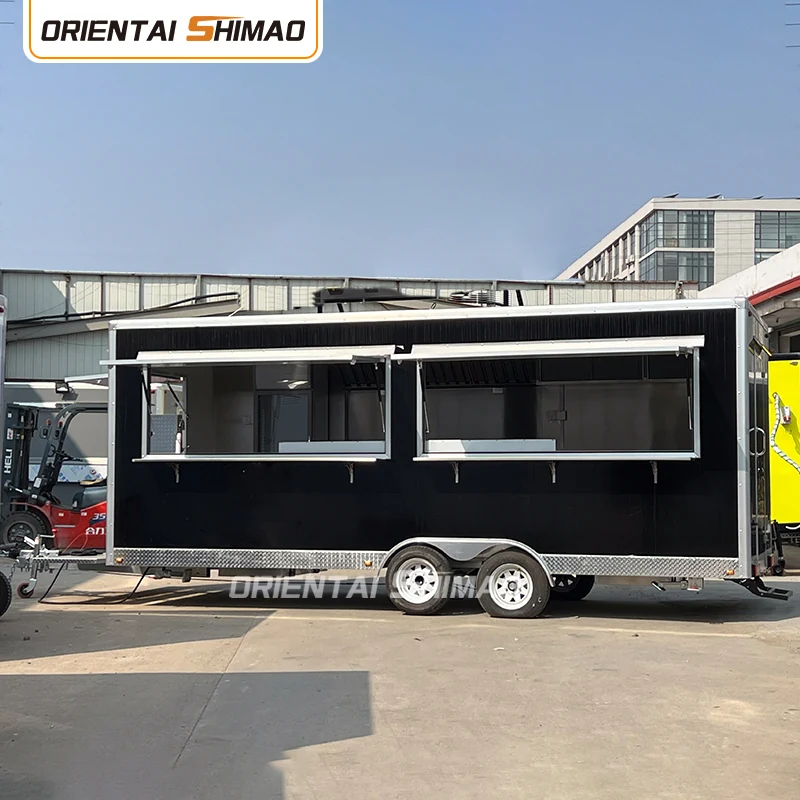
5.7m Black Aluminum Steak Food Trailer
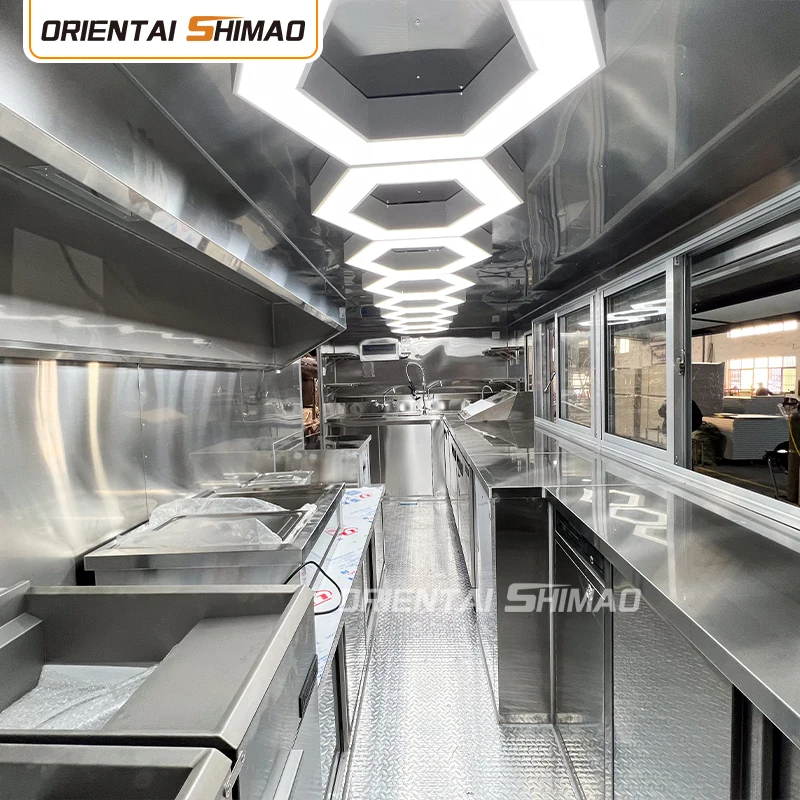
Steak service has a delay that many fast-food layouts ignore: meat often needs a controlled rest before cutting, plating or packaging. The 5.7m Black Aluminum Steak Food Trailer combines an aluminum square body with dark full-wrap branding, multiple side openings and a long reflective interior
Model:SMS-5700F
Send Inquiry
Product Description
5.7m Black Aluminum Steak Food Trailer
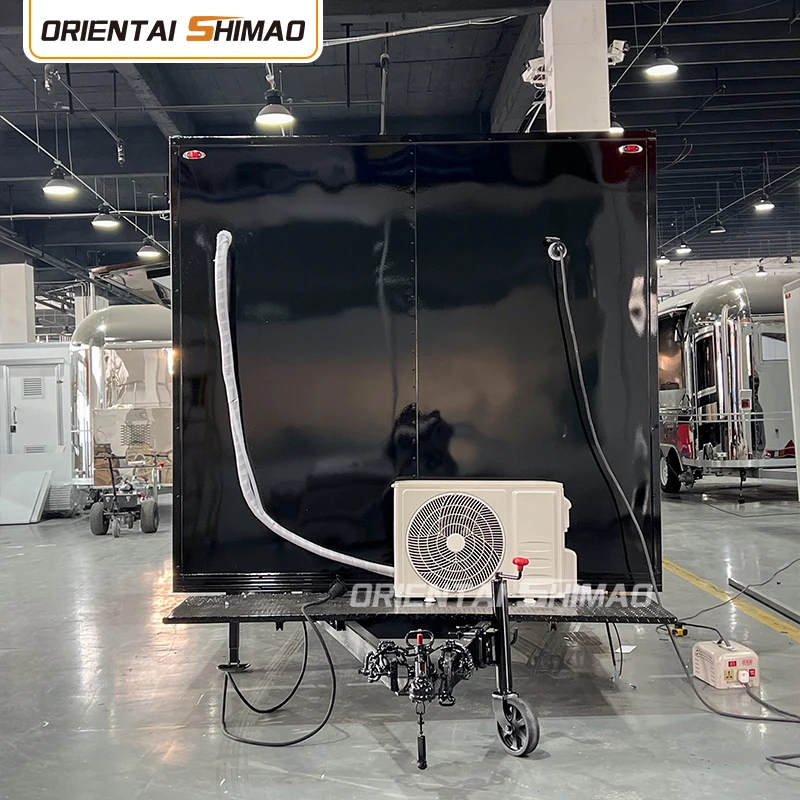
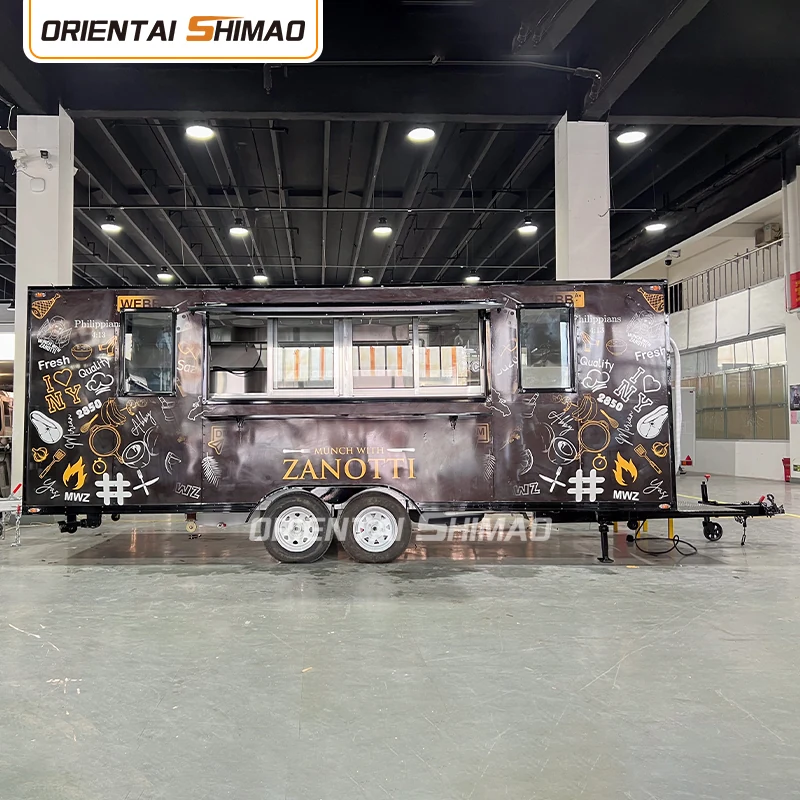
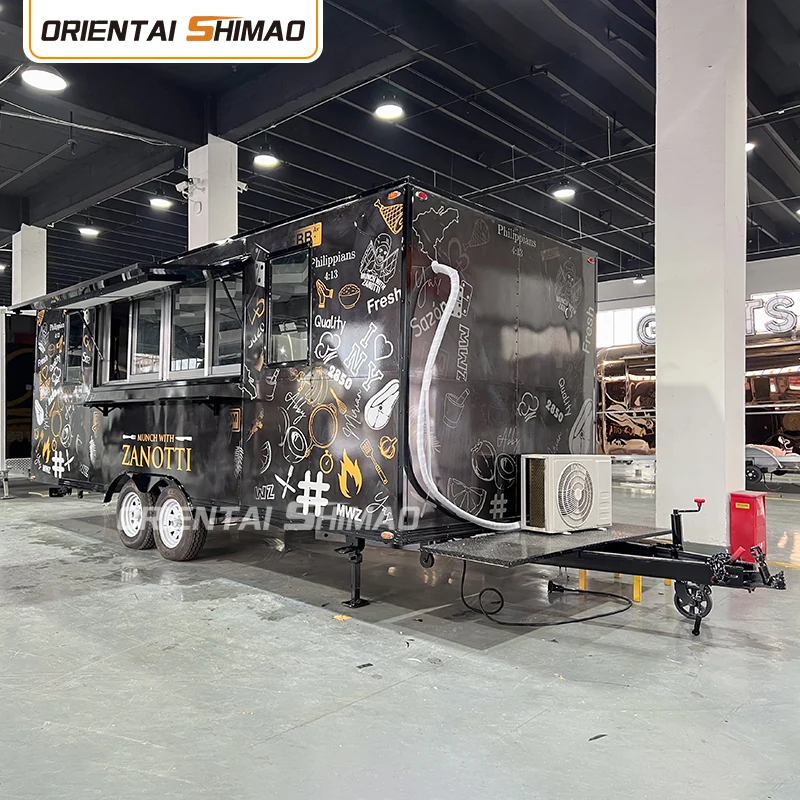
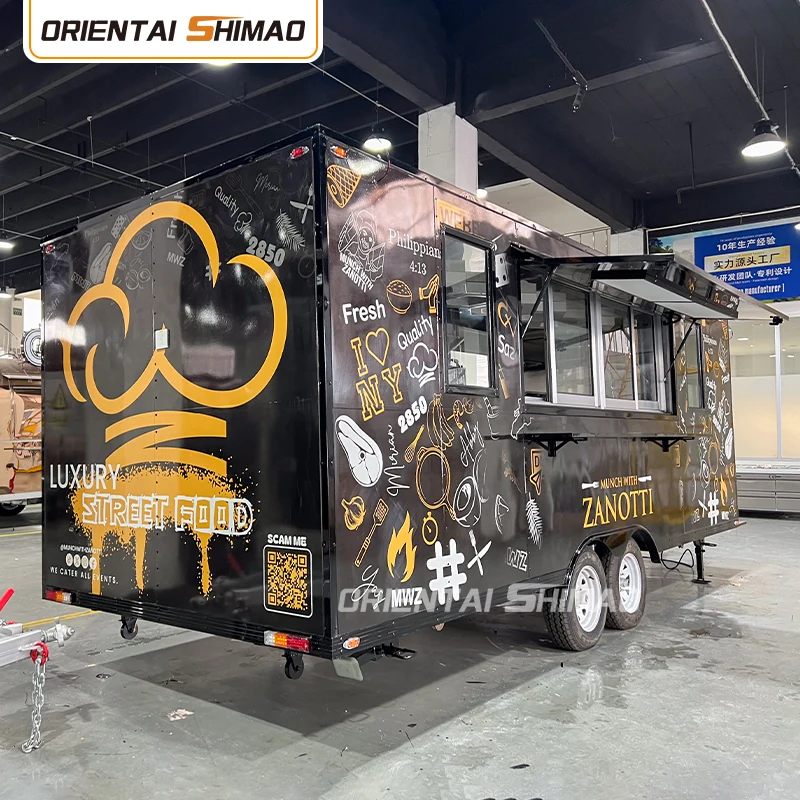
Steak service has a delay that many fast-food layouts ignore: meat often needs a controlled rest before cutting, plating or packaging. The 5.7m Black Aluminum Steak Food Trailer combines an aluminum square body with dark full-wrap branding, multiple side openings and a long reflective interior containing work surfaces, sinks, cabinets and ventilation areas. The graphic direction supports steak and grilled-meat service, while no charbroiler, griddle, refrigeration, holding or temperature-control system is confirmed. Trailer Legends can configure the kitchen around the buyer's cuts, doneness method and service format. The principal challenge is moving chilled meat through preparation and high heat to resting, sides and customer collection without losing order identity or mixing raw and finished routes.
Define the Steak Product and Service Format
Whole steaks, sliced steak sandwiches, steak bowls and grilled skewers create different cooking, resting and packaging. Buyers should state cut sizes, preparation state, marinades, doneness options and peak orders. That information determines cooker type, cold storage and finishing. The black aluminum steak food trailer can be planned around selected equipment; the exterior wrap does not prove a specific menu, grill or output.
Keep Chilled Meat Close to the Cook, Not the Pass
Receiving and refrigeration should feed portioning or seasoning upstream of the hot line. Raw trays must not move through resting, sides or customer collection. Buyers should provide container sizes, one-shift quantities and refrigerator models. Door movement and condenser ventilation need space. Exact cold-holding performance and food-safety procedures depend on equipment and destination requirements.
Select the High-Heat Cooker from the Desired Result
Charbroilers, griddles and other systems differ in energy, smoke, grease, clearance and service access. Buyers should provide model sheets and the cooking result they need. Heat equipment must align with appropriate ventilation and leave a safe stance. The visible hood area does not establish compatibility, suppression or fire approval. No cooking time or capacity should be promised without validated equipment and process.
Create a Resting and Order-Control Zone
Cooked meat may need a defined rest before slicing or packaging. This surface should be separate from raw prep and large enough to keep different doneness orders identified. Tickets, labels or marked trays can prevent mix-ups. Resting should feed cutting or final assembly without blocking the cooker landing. The buyer should model the busiest combination of cuts and doneness levels to size the zone.
Place Sides Where They Join, Not Where They Cook
Fries, vegetables, bread or salads may use separate equipment and timing. Their finished portions should meet steak at the final assembly or packing station. If sides require fryers, refrigeration or hot holding, those systems need their own load, ventilation and cleaning review. The buyer should keep the steak process central and add sides that the crew can synchronize rather than building several unrelated kitchens.
Choose Packaging for Heat and Doneness Expectations
A steak sandwich, bowl or plated-style takeaway order needs different containers. Packaging can trap heat and moisture, so the operator should test its product method rather than make a generic quality claim. Boxes, trays, cutlery and sauces need measured storage at the finishing station. Completed orders require a stable waiting position and identification before pickup.
Decide Where Slicing Happens
Some steak formats are served whole, while sandwiches and bowls require slicing. A cutting station needs a stable surface, suitable tools, order identification and a route after resting. It must remain separate from raw-meat preparation. Buyers should define portion and presentation before counters are approved. Any powered slicer or warming equipment must be selected and documented separately, including cleaning and service access.
Build Temperature Checks into the Operating Method
The operator may use temperature measurement and doneness procedures appropriate to the menu and destination. Tools need a clean storage and sanitation routine, and readings must remain associated with the correct order where relevant. The trailer layout can provide a check point near cooking or resting, but it does not guarantee doneness accuracy or food safety. Those outcomes depend on equipment, procedures and trained staff.
Use Multiple Openings to Separate Service Categories
One opening may handle ordering and payment, another collection, and a further confirmed opening could support pre-orders or a side menu. The internal pass must connect to each role. Exterior graphics should direct customers before they reach the counter. Multiple windows only improve service when staff do not cross the hot line or resting zone to reach them.
Control Grease, Smoke and Cleaning
High-heat meat cooking can create grease and smoke that depend on the selected appliance and product. Buyers should provide extraction, fire-control and maintenance requirements for appropriate destination review. Cleaning tools, grease collection and waste need accessible locations away from packaging. Sinks and reflective surfaces visible in the images support planning but do not prove a material grade, hood capacity or integrated approval.
Use the Black Wrap to Explain the Steak Offer
Dark graphics and steak imagery can make the category clear from a distance. The wrap should leave windows, vents, service panels and staff sightlines unobstructed. Menu typography can distinguish cuts, formats and pickup points. Buyers need rights to all artwork. The page does not promise graphic lifespan, colour stability or permission to use any reference logo.
Document the Aluminum Body Without Inventing Advantages
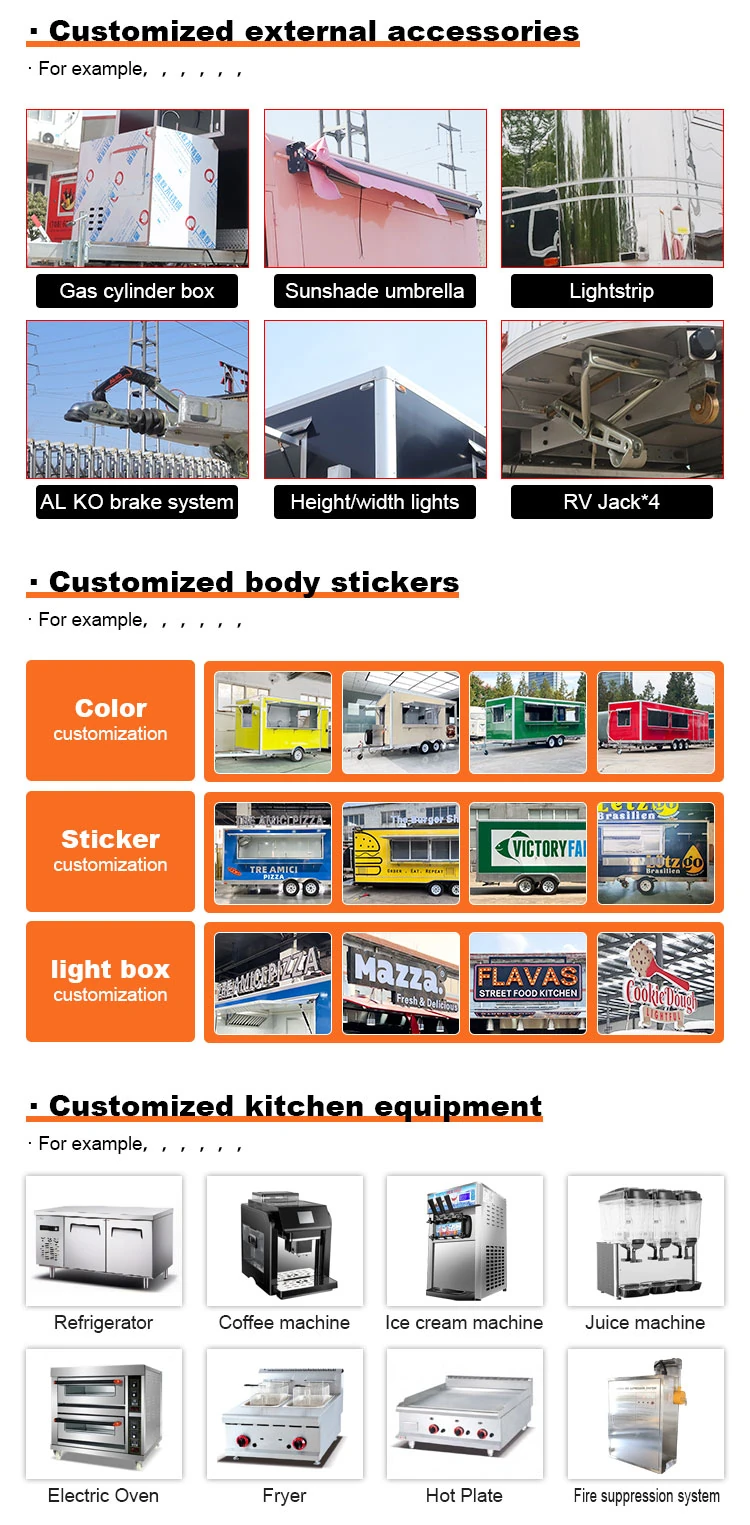
Aluminum is confirmed, but alloy, thickness, surface treatment and structural performance are not. Buyers should request the final material schedule. The public page should avoid unsupported claims about weight, corrosion resistance or life. Cleaning, wrap application and repairs should follow the documented construction and supplier guidance.
Check Trailer and High-Heat Equipment Requirements
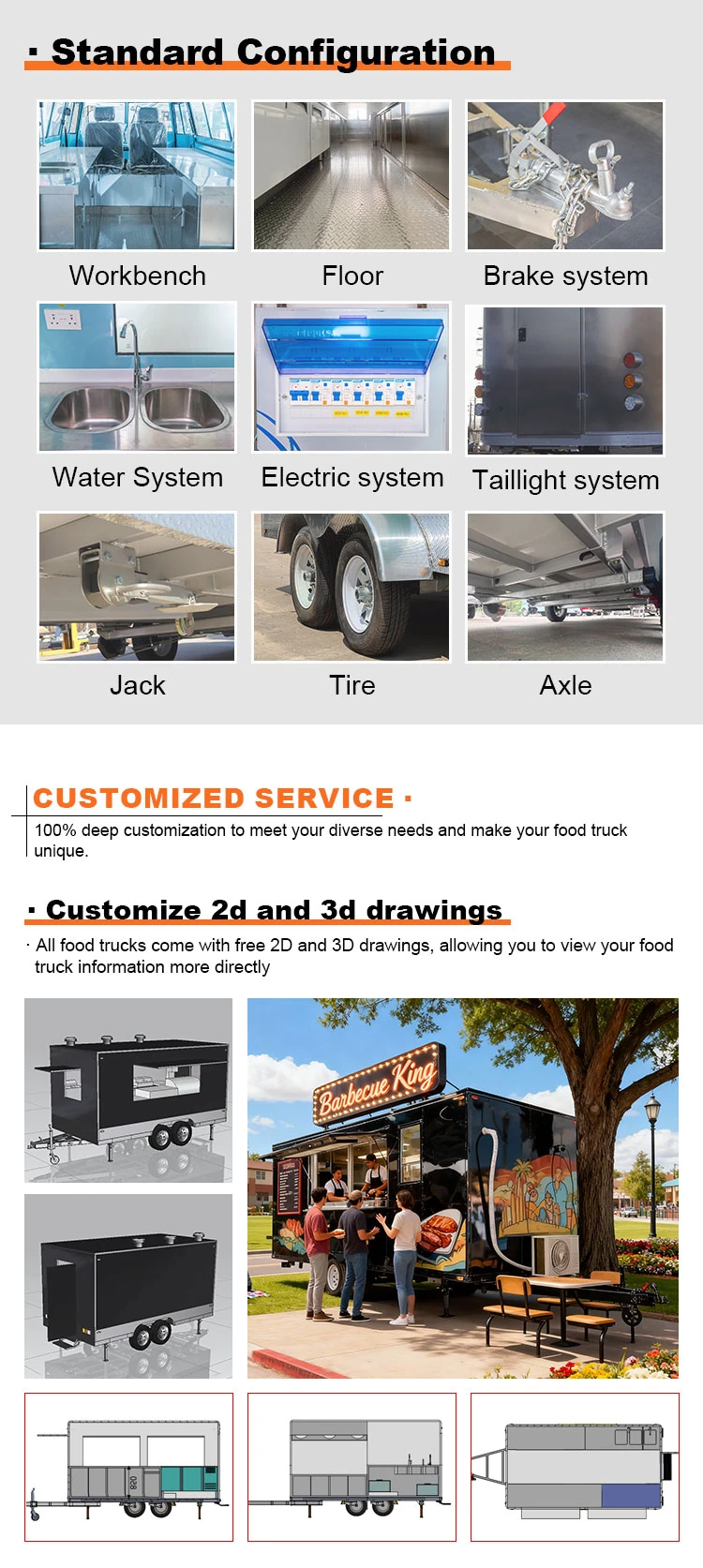
Trailer road documentation, electrical or fuel systems, ventilation, fire controls and food-service appliances may follow separate destination rules. Buyers should identify the completed specification and market, then verify each obligation with relevant qualified parties. Dual axles and a commercial-looking kitchen do not establish payload or universal legal operation.
Approve a Doneness-to-Pickup Workflow
Provide steak cuts, service format, cooker and refrigeration sheets, doneness system, resting method, side equipment, packaging, staff positions, window roles, utilities and target market. Trailer Legends can then coordinate the black branded exterior with a traceable chilled-to-hot-to-rested production sequence.
Frequently Asked Questions
1. Is steak use confirmed by equipment?
The black branding supports a steak and grilled-meat theme, while the interior provides hot-work planning space. Exact steak cookers, refrigeration and holding equipment are not confirmed. Buyers should select and document every appliance. The public theme can guide workflow, but it must not be used to claim a charbroiler, griddle or output that is not in the final specification.
2. How should different doneness orders be controlled?
Use a clear ticket, label or marked-tray method from cooking through resting and packing. Reserve separate resting positions for simultaneous orders where practical. Staff should not rely only on verbal memory during a rush. The buyer's cooking and food-safety method determines final controls, and no accuracy claim can be made without operating procedures.
3. Where should meat rest after cooking?
Provide a dedicated clean surface after the cooker and before cutting or packaging. Keep it separate from raw preparation and identify each order. Size the area from the busiest mix of cuts and rest times. Selected holding or warming equipment, if any, must be specified separately with heat, utility and cleaning data.
4. Can fries or other sides be added?
Yes, if their production, storage and timing can join the steak order without disrupting the hot line. Fryers, refrigeration or holding for sides add ventilation, power, grease and cleaning needs. Define the side menu and equipment before layout approval. A limited synchronized offer may serve more reliably than several unrelated categories.
5. What is confirmed about the aluminum body?
Aluminum is explicit in the folder, but the alloy, thickness, surface treatment and claimed performance are not documented. Request the final material specification. The page should not promise weight savings, corrosion life or structural advantages without evidence. Wrap and cleaning methods should follow confirmed supplier instructions.
6. How are high-heat and trailer requirements reviewed?
The towable body and road documentation may be reviewed separately from electrical or fuel systems, ventilation, fire controls and cooking equipment. Buyers should identify the destination and final component package, then consult appropriate local parties. No single appliance approval or exterior image establishes approval of the complete trailer.
Next Step
| Share the steak format, cuts, cooker and cold-equipment sheets, doneness control, resting plan, sides, packaging, crew, window assignments and destination conditions. Trailer Legends can then design the black aluminum trailer around a controlled high-heat service sequence. |
|---|
Related Category
Food Truck
Food Trailer
Food Cart
Food Van
Rv Trailer
Toilet trailer
Square Food Truck
Airstream Food Trailer
Square Concession Trailer
Square Mobile Kitchen Trailer
Send Inquiry
Please Feel free to give your inquiry in the form below. We will reply you in 24 hours.