- English
- Español
- Português
- русский
- Français
- 日本語
- Deutsch
- tiếng Việt
- Italiano
- Nederlands
- ภาษาไทย
- Polski
- 한국어
- Svenska
- magyar
- Malay
- বাংলা ভাষার
- Dansk
- Suomi
- हिन्दी
- Pilipino
- Türkçe
- Gaeilge
- العربية
- Indonesia
- Norsk
- تمل
- český
- ελληνικά
- український
- Javanese
- فارسی
- தமிழ்
- తెలుగు
- नेपाली
- Burmese
- български
- ລາວ
- Latine
- Қазақша
- Euskal
- Azərbaycan
- Slovenský jazyk
- Македонски
- Lietuvos
- Eesti Keel
- Română
- Slovenski
- मराठी
- Srpski језик

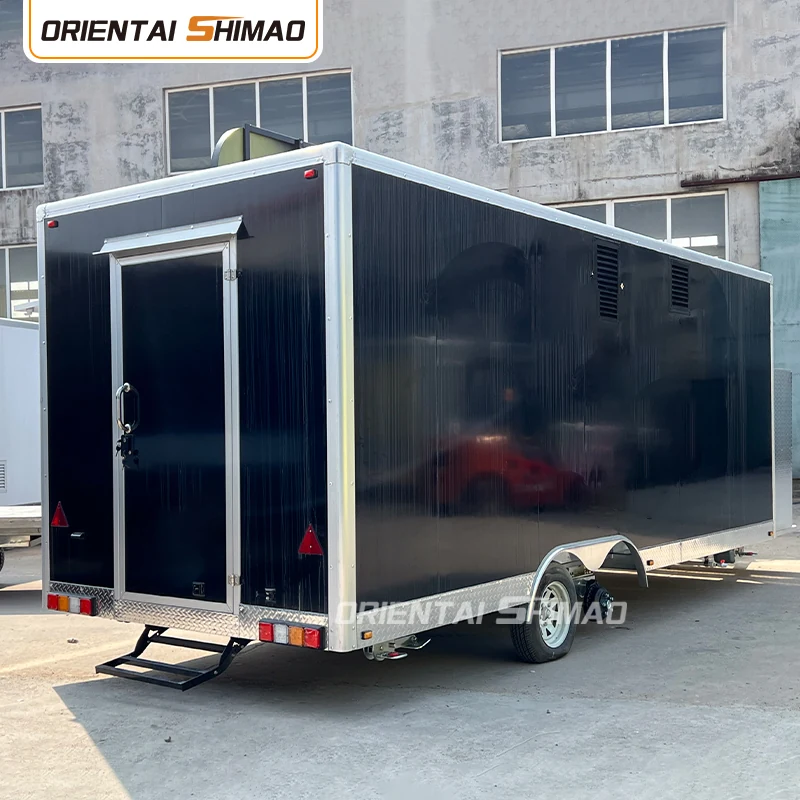
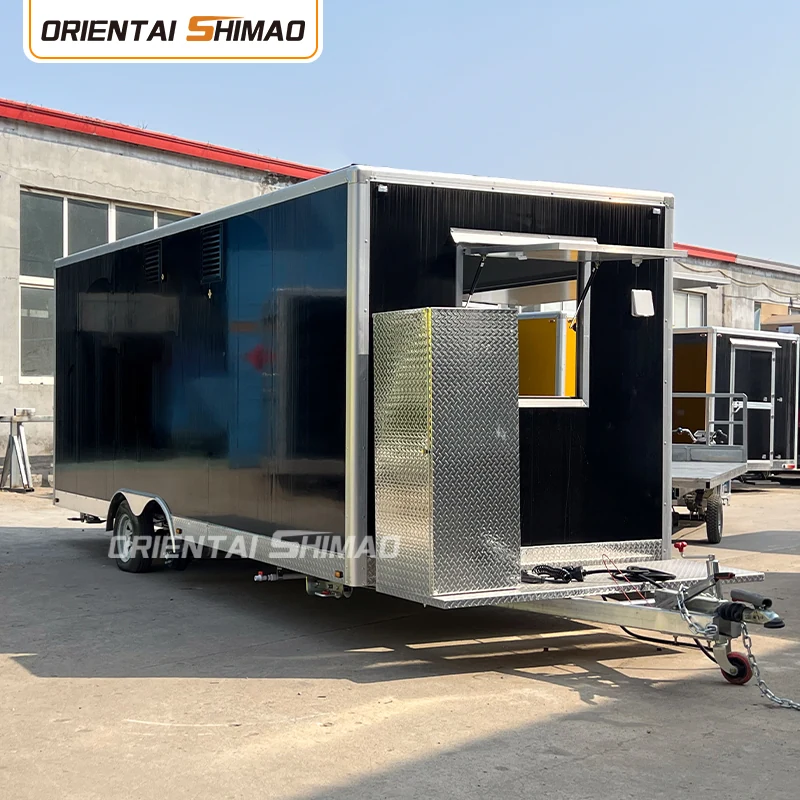
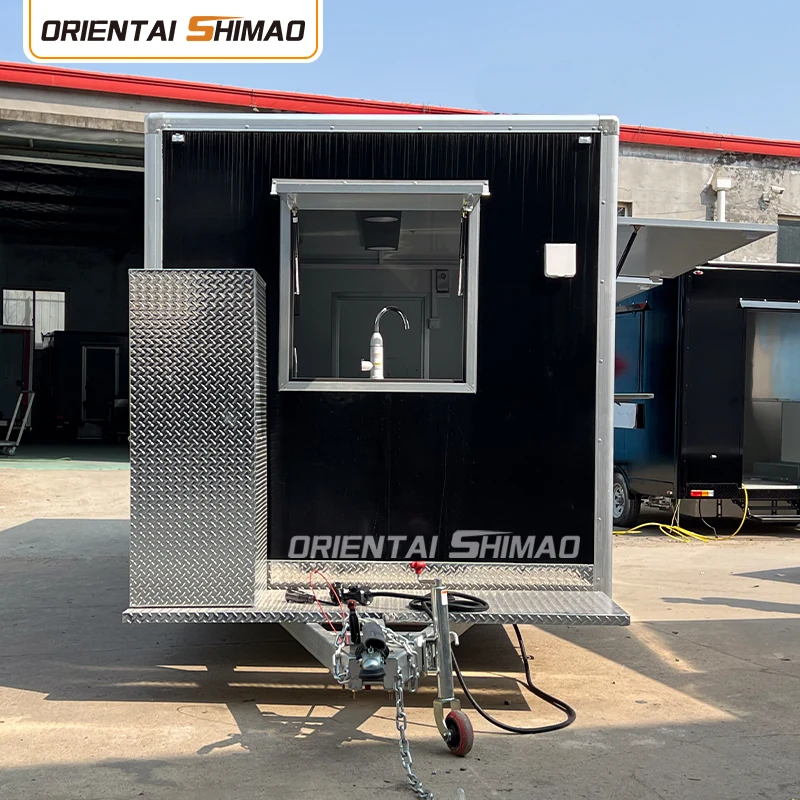
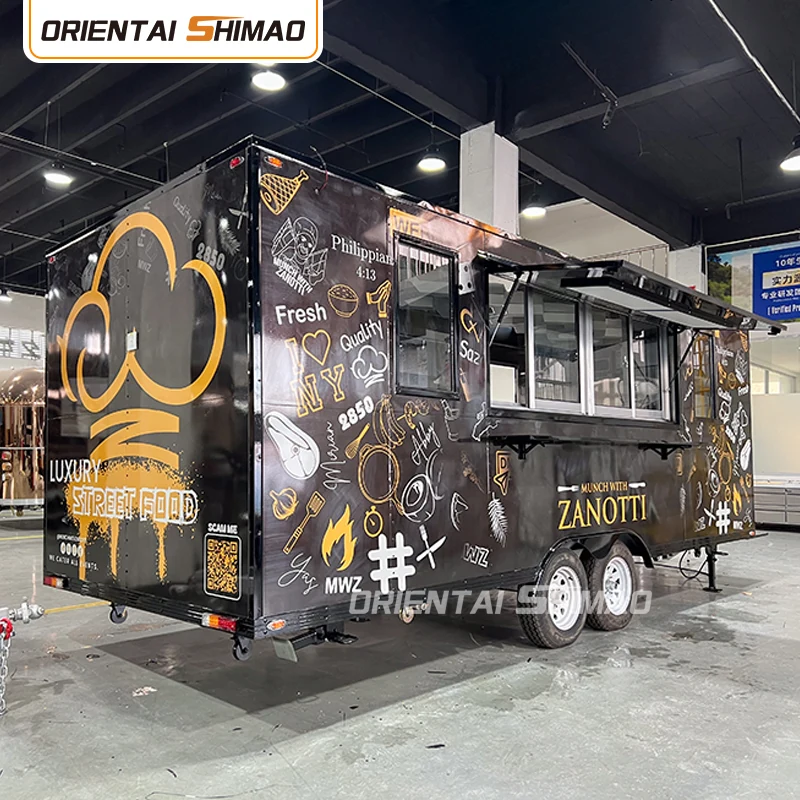
5.5m Black Square Breakfast Food Trailer
Breakfast compresses several production styles into a short service period: eggs cook to order, sandwiches assemble quickly, baked items may be ready, and coffee or drinks move on another rhythm. The 5.5m Black Square Breakfast Food Trailer offers a long rectangular body, extra-wide side opening,
Send Inquiry
Product Description
5.5m Black Square Breakfast Food Trailer
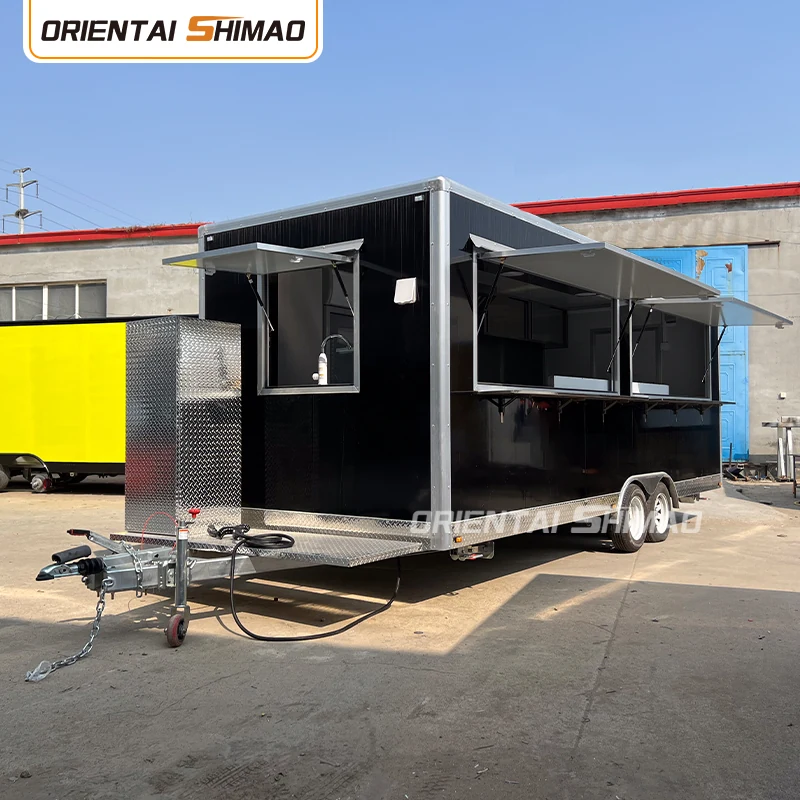
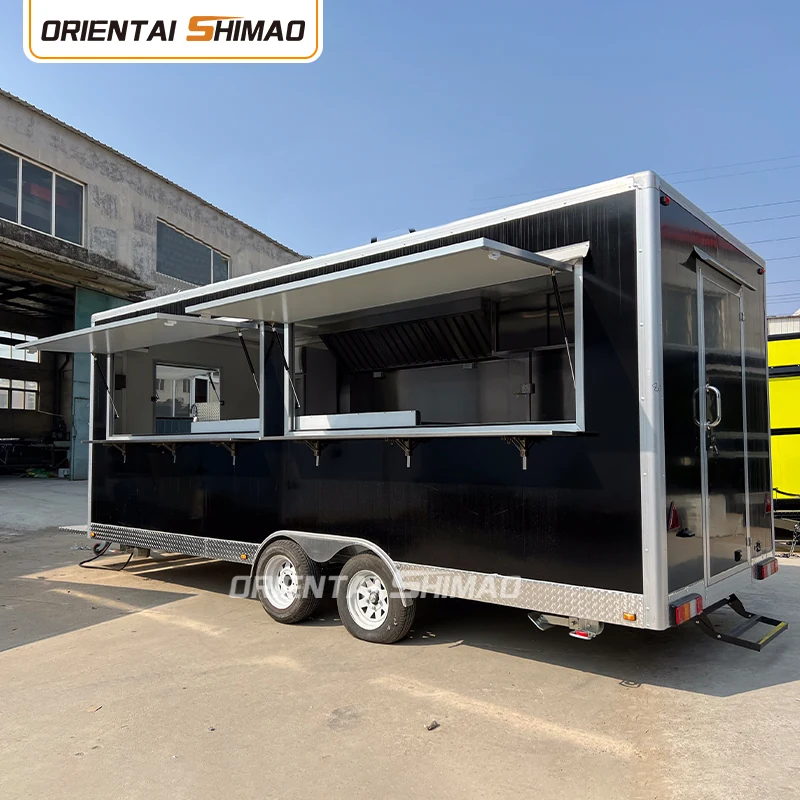
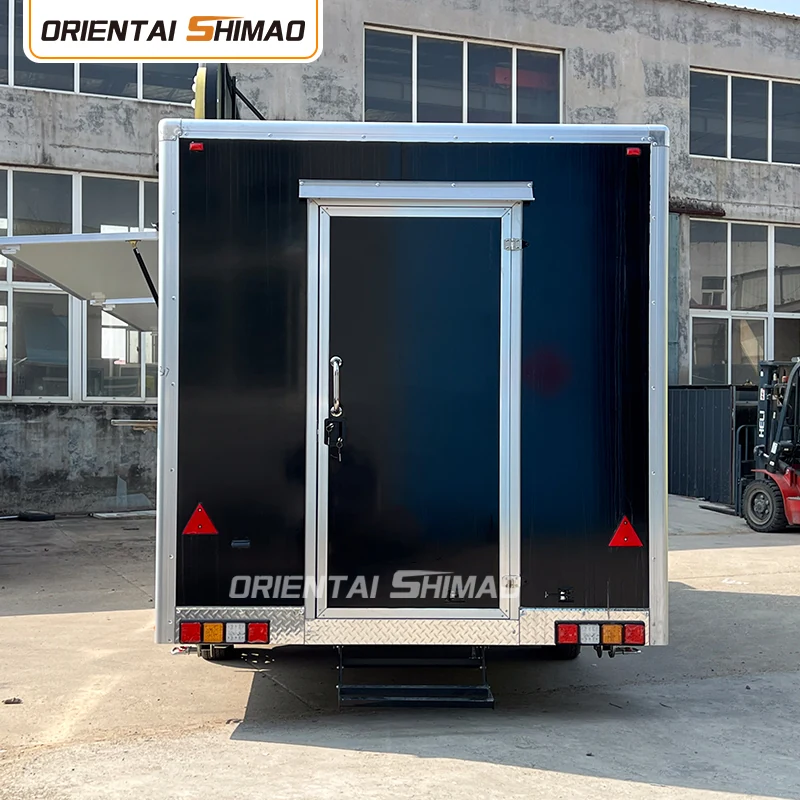
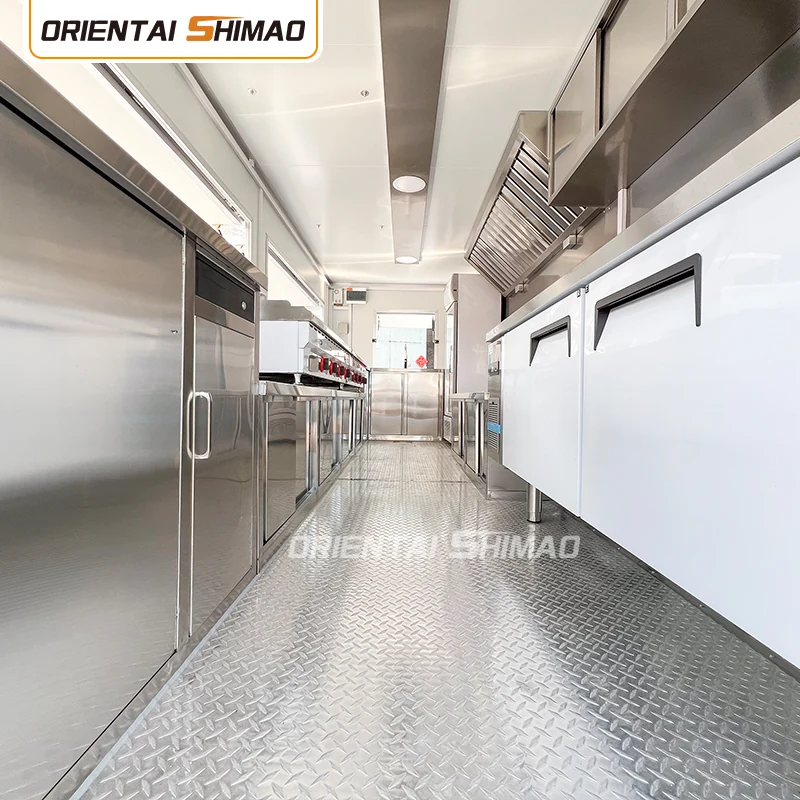
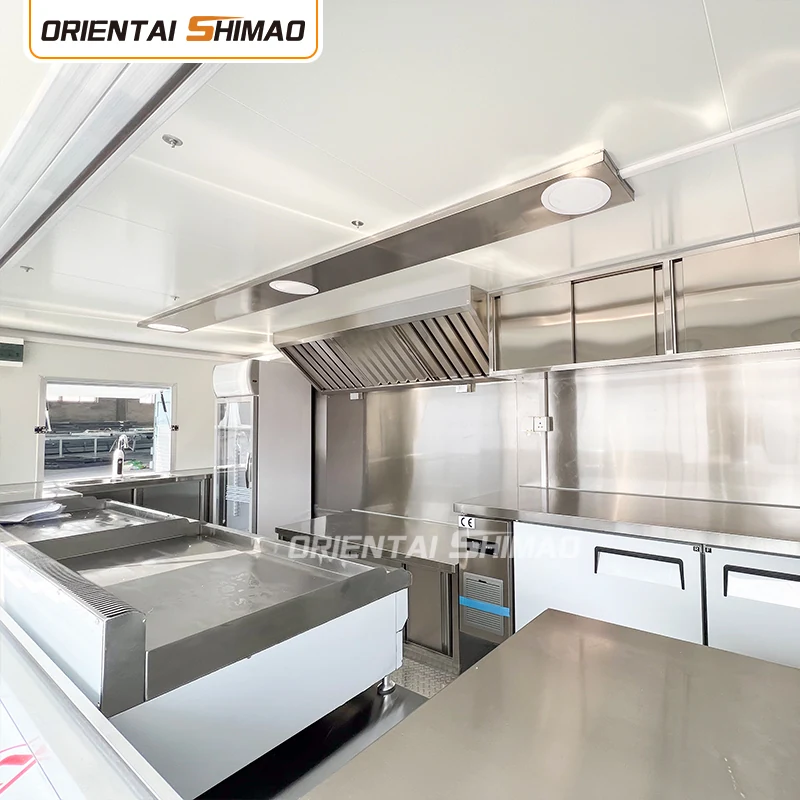
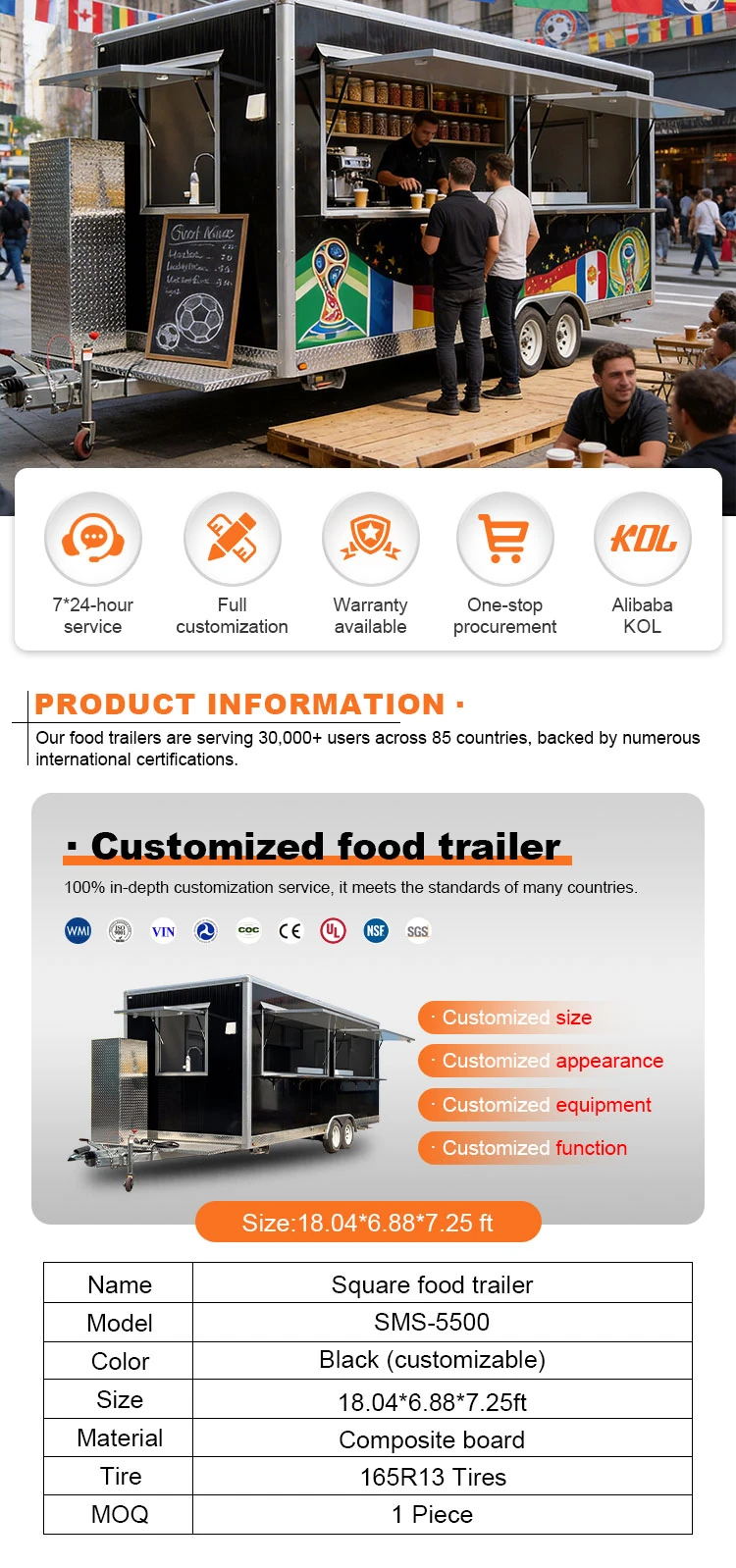
Breakfast compresses several production styles into a short service period: eggs cook to order, sandwiches assemble quickly, baked items may be ready, and coffee or drinks move on another rhythm. The 5.5m Black Square Breakfast Food Trailer offers a long rectangular body, extra-wide side opening, smaller end opening, long counters, sinks, extraction and visible cooking or refrigeration-like areas. Breakfast is a planned application chosen to fit this multi-station structure and diversify the product range. No griddle, oven, hot-holding cabinet, espresso machine or refrigerator is confirmed. Trailer Legends can configure the interior after the buyer defines a focused morning menu. The key issue is preventing eggs, bread, beverages and packaging from competing for the same pass.
Choose a Breakfast Identity Before Equipment
An egg-sandwich operation, pancake or waffle menu, bakery counter and mixed breakfast cafe all require different appliances and holding. Buyers should identify the product that drives the queue, serving hours and preparation state. A focused sandwich line may use a griddle and assembly counter; baked goods may need display and light finishing. The black breakfast food trailer can support several stations, but optional equipment must follow the menu rather than fill the long wall by default.
Create a Griddle-to-Sandwich Sequence
Eggs, proteins or vegetables should move from the selected cooker to a bread and topping station, then packaging. Raw ingredients and dirty utensils stay upstream. The griddle model determines extraction, energy, grease handling and stance. Bun, bagel or bread storage needs protection from heat and moisture. The assembler should reach cheese, sauces and packaging without stepping into the cook's position.
Give Pancakes or Waffles Their Own Batter Logic
If the menu includes batter products, ingredient storage, mixing, dispensing, cooking and topping need a defined route. These items may conflict with egg service when they share one griddle or landing area. Buyers should decide whether the category is core or occasional and provide equipment sheets. Batter tools and cleaning also require space. The page does not assume that a pancake griddle or waffle iron is installed.
Use Baked Items to Smooth the Peak

Pastries or pre-prepared baked products may offer a faster option while cooked orders wait. Their display, storage and food-handling requirements depend on the product. Place the display near ordering without blocking the collection pass. If an oven or warmer is selected, its heat, power and access enter the equipment schedule. A visible bakery element can support customer choice without turning the kitchen into a full bakery unless the buyer plans one.
Keep Coffee as a Supporting Station
Coffee can complement breakfast, but it should not interrupt the hot-food line. A filter-coffee system, espresso bar or packaged-drink offer creates different water, power, cup and cleaning demands. Buyers should decide the beverage level and provide exact equipment. A small supporting station near payment may work, while a full espresso programme needs its own workflow. No coffee machine is confirmed in this trailer.
Assign the Long Window by Product Speed
Ready baked items and drinks can leave quickly, while cooked sandwiches take longer. The long side opening may be divided into ordering, rapid pickup and cooked-order collection zones. The smaller end opening can serve a defined secondary role if the interior reaches it naturally. Menu and order identification must make these differences clear. Multiple handoff points only help when the kitchen and customer queue share the same logic.
Plan Hot Holding Around Quality Decisions
Breakfast proteins, potatoes or completed components may be held briefly under the operator's method. Selected holding equipment needs documented capacity, heat, power and access. Buyers should define what is cooked to order and what is batch prepared. Holding should feed assembly rather than become a storage area for unlabelled pans. No hold time or product performance is promised by the trailer layout.
Store Breakfast Packaging by Daypart
Sandwich wraps, clamshells, pastry bags, cups, napkins and carriers require different shelves. The buyer should calculate the busiest morning period and place common packaging at the relevant finishing station. Reserve cartons should not occupy the long service counter. If the trailer serves another daypart, changeover stock needs a separate plan so breakfast supplies do not remain in the aisle.
Design Cleaning for Eggs, Batter and Beverages
The menu may create raw-egg utensils, griddle grease, batter residue and coffee waste. Sinks, handwashing, cleaning tools and drying should be assigned to the actual process and destination rules. Waste and dirty returns must avoid the finished-order pass. Visible sinks and extraction support planning but do not prove a complete sanitation or fire-control package.
Control Raw Egg and Allergen Work
Eggs, dairy, gluten and specialty products may require handling controls defined by the operator and destination. The buyer should identify shared tools, storage containers and cleaning between menu items. Raw egg preparation should not cross ready pastries or completed sandwiches. A clear ingredient and utensil plan can influence sink use and counter separation without making a blanket allergen-free or food-safety claim.
Sequence Start-Up for a Short Morning Window
Breakfast demand may begin immediately after opening, so equipment warm-up, cold-stock loading, batter or ingredient setup and coffee preparation need a timed routine. Buyers should list what starts first and which employee completes each task. The layout should allow opening checks without placing cartons in the service aisle. A documented start-up sequence helps the trailer meet its planned menu when the first queue arrives.
Use the Black Exterior for Morning Legibility
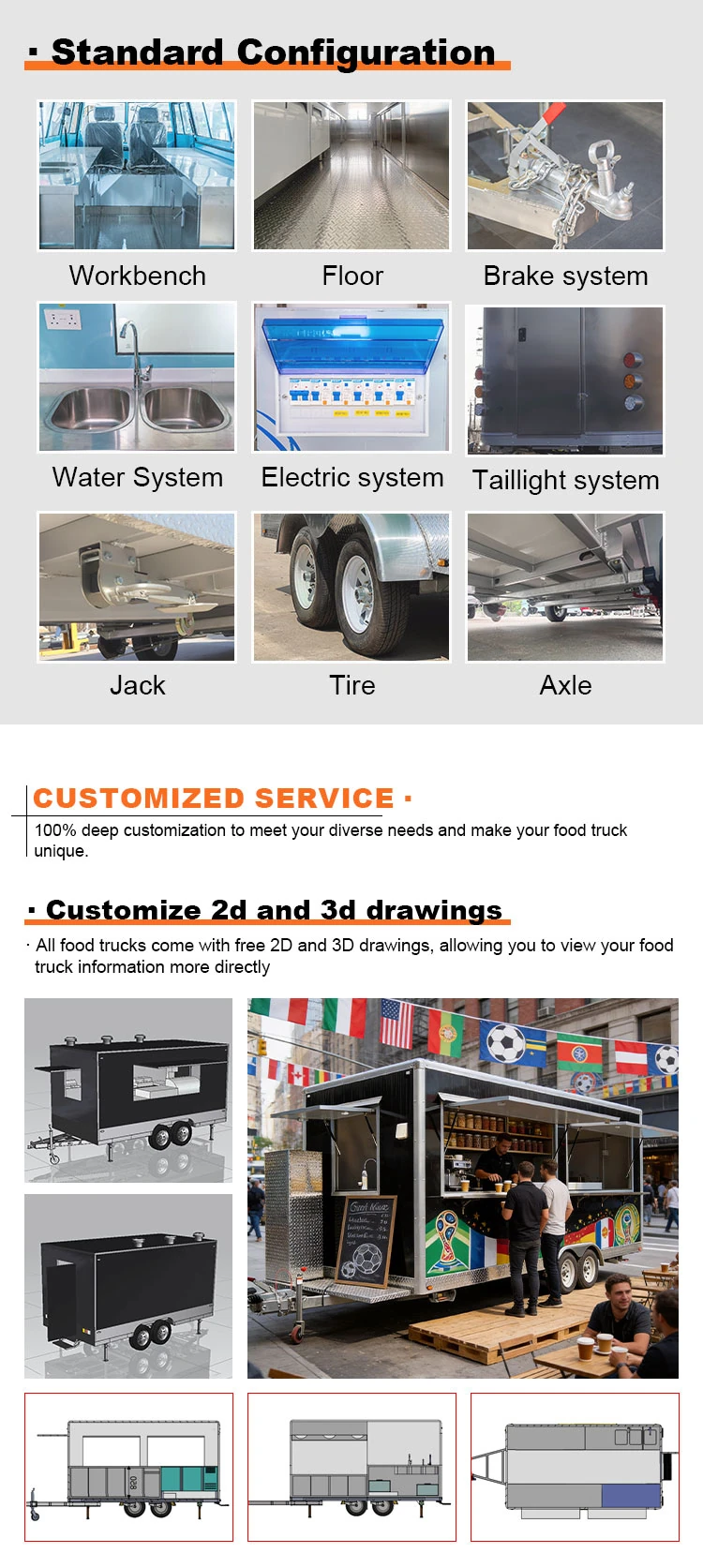
A dark body can frame bright menu boards and clear breakfast graphics, but early-morning lighting may be necessary. Buyers should confirm sign locations, customer approach and electrical load. Graphics must avoid windows and service access. The final surface material and finish are unconfirmed, so no durability, corrosion or coating-life claims should be made.
Review Trailer and Multi-Appliance Loads
Cooking, holding, coffee, refrigeration, water heating and lighting may run together during the morning peak. Buyers should provide nameplate loads and operating combinations. Trailer road requirements and installed electrical, fuel or food equipment may follow separate destination processes. Axles visible on the selected body cannot be used to infer load limits or market-wide road acceptance.
Submit the Busiest Breakfast Combination
Provide the core menu, griddle or cooking equipment, baked-item plan, beverage system, holding, packaging, staff roles, window assignments, peak combined order, utilities and destination market. Trailer Legends can then test the 5.5m Black Square Breakfast Food Trailer as a coordinated daypart kitchen rather than a generic large concession shell.
Frequently Asked Questions
1. Is breakfast equipment included as standard?
No griddle, waffle iron, oven, warmer, espresso machine or refrigeration package is confirmed. Buyers should select equipment for the final menu and provide dimensions, energy, ventilation, water and cleaning data. Trailer Legends can configure the interior around that schedule. The breakfast theme is a recommended use, not evidence of installed appliances.
2. How should cooked and ready-to-serve items share the window?
Use menu and counter zones based on service speed. Ready pastries or drinks may use a rapid pickup area, while cooked sandwiches leave from a separate collection point. The internal pass and order-identification method must support those roles. Test the morning queue so customers waiting for hot food do not block faster transactions.
3. Can a coffee station be added?
Yes, if the buyer selects a beverage method and provides the equipment and utility data. Filter coffee, espresso and packaged drinks require different counter, water, power, cup storage and cleaning. The coffee station should support breakfast rather than force staff across the hot line. No machine or water system is confirmed by the current images.
4. Where should breakfast packaging be stored?
Place wraps, boxes or pastry bags at the finishing station for each product. Cups and carriers belong with the beverage handoff. Calculate one busy service period and keep reserve cartons outside the aisle. If the trailer changes menu later in the day, provide a separate changeover and storage plan.
5. How is hot holding planned?
First identify which components are cooked to order and which may be held under the operator's quality and food-safety method. Then select equipment with documented capacity, temperature control, power and access. Holding should feed assembly directly. The page does not state a holding time, performance or included cabinet.
6. What destination checks are needed?
Confirm trailer and towing documentation separately from electrical or fuel installation, ventilation, refrigeration and food-service appliances. The operating venue may add its own requirements. Buyers should provide the market and final equipment list to appropriate local parties. No universal road or operating approval is claimed.
Next Step
| Share the breakfast menu, cooking and beverage equipment, baked-item display, hot holding, packaging, staff plan, window roles and morning utility load. Trailer Legends can then organize the long black body around a real daypart service sequence. |
|---|
Related Category
Food Truck
Food Trailer
Food Cart
Food Van
Rv Trailer
Toilet trailer
Square Food Truck
Airstream Food Trailer
Square Concession Trailer
Square Mobile Kitchen Trailer
Send Inquiry
Please Feel free to give your inquiry in the form below. We will reply you in 24 hours.